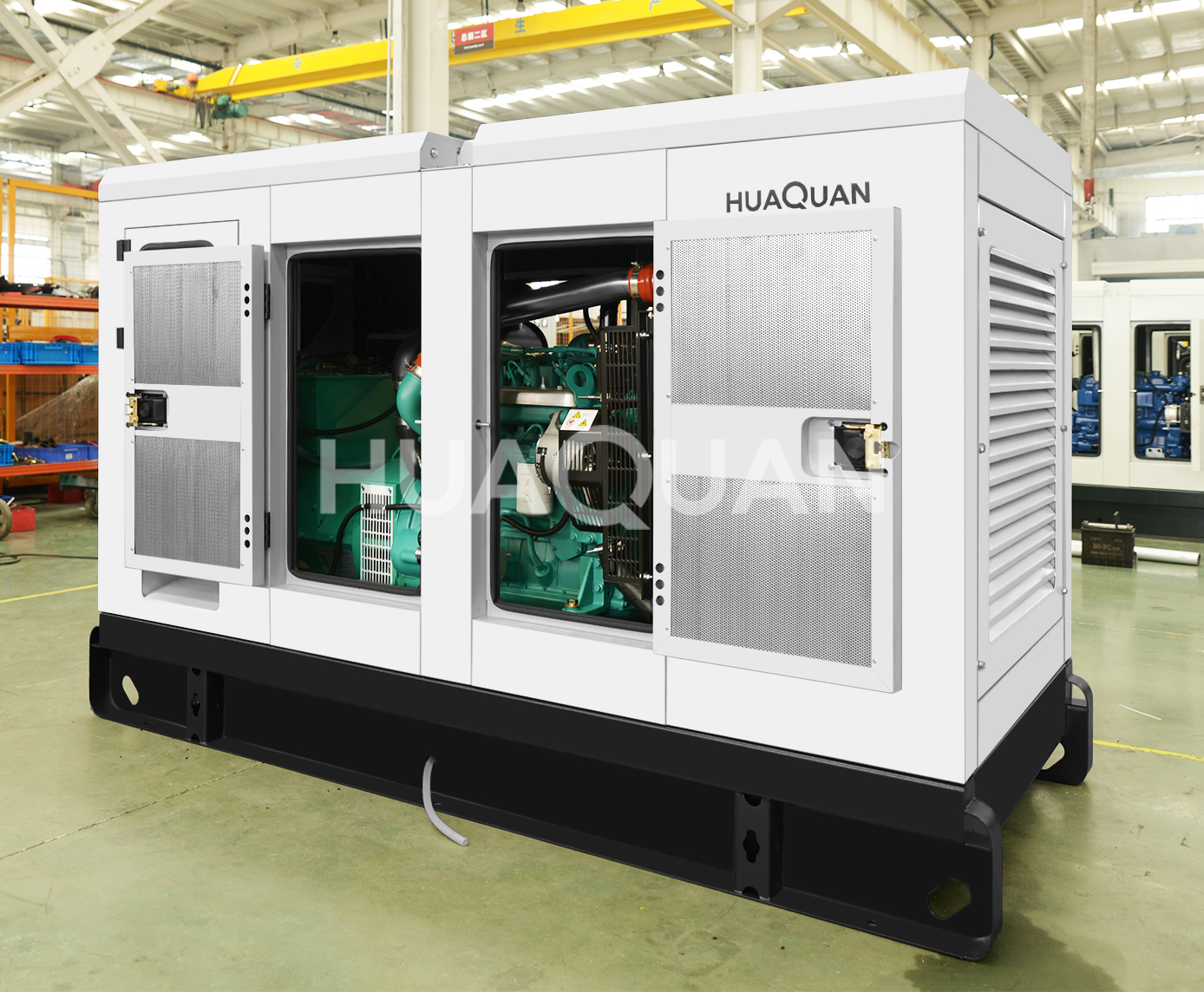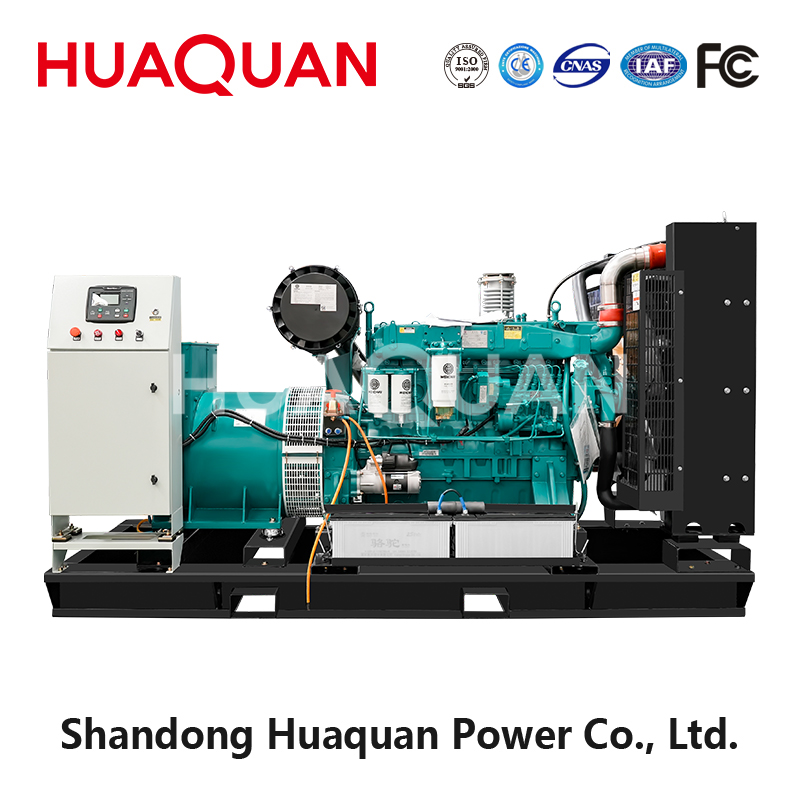
Veilig diesel generator transportation requires proper lifting equipment, veilige tuig deur fabriekshyspunte, korrekte sleepwa keuse, vrag beveiliging met kettings en binders, en voldoening aan oormaat vragpermitte vir eenhede bo standaardafmetings. Spesifiek, die gewig van die kragopwekker, afmetings, en bestemming bepaal die vervoermetode. Daarom, volgende korrek diesel generator transportation procedures prevents equipment damage, injuries, and regulatory violations.
What Are the Key Challenges in Diesel Generator Transportation?
Weight and Dimension Considerations
Diesel Kragopwekkers are heavy and bulky, making diesel generator transportation challenging. Eerstens, small generators under 500kg can be moved with a pickup truck and ramp. Egter, large units over 5000kg require flatbed trailers, hyskrane, and professional rigging. Verder, oversized generators may need special permits, escort vehicles, and route planning. For weight classification standards, sien Wikipedia vehicle weight regulations.
| Generator grootte | Typical Weight | Transport Method | Special Requirements |
|---|---|---|---|
| 8-40 kW (klein) | 470-1200 kg | Pickup or small flatbed | Geen |
| 50-150 kW (medium) | 1200-3200 kg | Flatbed truck | Ramps or forklift |
| 200-500 kW (groot) | 3200-8000 kg | Heavy flatbed / lowboy | Crane, rigging |
| 500-1000 kW (very large) | 8000-15000 kg | Multi-axle lowboy | Crane, permits possible |
| 1000-3000 kW (ultra-large) | 15000-30000+ kg | Specialized heavy haul | Permitte, escort, route survey |
How to Lift a Diesel Generator Safely?
Rigging and Lifting Procedures
Lifting is the most dangerous phase of diesel generator transportation. Eerstens, always use the factory-installed lift points — never attach slings to pipes, kabels, or sheet metal. Volgende, inspect all rigging hardware for damage before each lift. Ook, ensure the crane capacity exceeds the generator weight by at least 25%. Verder, use spreader bars for wide generators to prevent sling angles below 45 grade. For rigging safety standards, besoek Huaquan generator specifications.
| Lifting Requirement | Standaard | Common Violation |
|---|---|---|
| Lift point usage | Factory lift lugs only | Hooking to radiator or exhaust |
| Sling angle | Minimum 45° from horizontal | Low angle causing compression |
| Crane capacity | 125% of load minimum | Overloading crane |
| Rigging inspection | Before every lift | Using worn or damaged slings |
| Personnel position | Clear of suspended load | Standing under load |
| Tag lines | Two persons minimum | No tag lines — uncontrolled swing |

What Trailer Type Is Best for Generator Transport?
Selecting the correct trailer is essential for safe diesel generator transportation. Spesifiek, the trailer must support the generator weight, provide adequate deck space, and meet legal dimension limits. Bowendien, the trailer deck height affects loading ease and overhead clearance during transit.
| Trailer Type | Kapasiteit | Deck Height | Best Generator Size |
|---|---|---|---|
| Utility trailer | Tot 3000 kg | 50-60 cm | 8-40 kW eenhede |
| Flatbed (2-axle) | Tot 10000 kg | 120-140 cm | 50-200 kW eenhede |
| Flatbed (3-axle) | Tot 20000 kg | 120-140 cm | 200-500 kW eenhede |
| Lowboy / drop-deck | Tot 40000 kg | 60-90 cm | 500-1000 kW eenhede |
| Multi-axle heavy haul | 40000+ kg | 60-90 cm | 1000-3000 kW eenhede |
How to Secure a Generator on the Trailer?
Tie-Down and Blocking Methods
Load securing is critical in diesel generator transportation to prevent shifting, tipping, or falling during transit. Eerstens, place wooden blocking on all four sides of the generator base. Volgende, use heavy-duty ratchet straps or chains with binders rated for the load. Bowendien, the Federal Motor Carrier Safety Administration (FMCSA) requires a minimum of four tie-down points for loads over 5000kg. Verder, check tie-down tension after the first 80km and then every 300km.
| Securing Method | Rating Required | Number Needed | Wanneer om te gebruik |
|---|---|---|---|
| Ratchet straps (50mm) | WLL 2500 kg each | 4-8 straps | Generators under 5000 kg |
| Transport chains (8mm) | WLL 3800 kg each | 4-6 chains | Kragopwekkers 5000-15000 kg |
| Heavy chains (10mm+) | WLL 6800+ kg each | 4-8 chains | Generators over 15000 kg |
| Wood blocking | Hardwood, 10×10 cm min | 4 blocks minimum | All loads — lateral blocking |
| Edge protectors | Plastic or rubber | Under each strap/chain | Protect frame from damage |
What Permits Are Needed for Oversize Generator Transport?
Wanneer diesel generator transportation involves units that exceed standard legal dimensions or weights, you need oversize/overweight permits. Spesifiek, standard limits in most jurisdictions are 2.6m width, 4.0m hoogte, and varying weight limits per axle. Verder, containerized generators and large soundproof units often exceed width limits. Daarom, always measure the loaded dimensions and check permit requirements before departure. For road regulations, sien Wikipedia truck size and weight.
| Dimension Limit | Standard Legal Max | Permit Required Above | Escort Required Above |
|---|---|---|---|
| Breedte | 2.55 m | 2.55-3.5 m varies by state | Typically above 3.7 m |
| Hoogte | 4.0 m (loaded) | Hierbo 4.0 m | Hierbo 4.5 m |
| Lengte (enkele eenheid) | 12.2-16.2 m | Above limit varies | Hierbo 30 m typically |
| Gewig (single axle) | 9000-10000 kg | Above limit | N/A — reroute instead |
| Gross vehicle weight | 36000-44000 kg | Above limit | May need pilot car |

How to Prepare a Generator for Transport?
Pre-Shipment Checklist
Voorheen diesel generator transportation, proper preparation prevents damage during transit. Eerstens, drain or stabilize the fuel to prevent leaks. Volgende, disconnect the battery and secure it separately. Ook, lock the verkoeler cap and close all drain valves. Bowendien, cover the uitlaatstelsel outlet to prevent debris entry. Uiteindelik, photograph the generator from all angles for damage documentation.
| Preparation Step | Aksie | Hoekom dit saak maak |
|---|---|---|
| Drain fuel (or fill 95%) | Either empty or nearly full tank | Prevents fuel spillage and fire risk |
| Disconnect battery | Remove and box separately | Prevents accidental start and acid spill |
| Seal exhaust outlet | Cover with plastic and tape | Stops rain and debris from entering engine |
| Lock all panels | Close and latch access doors | Prevents wind damage during transit |
| Check coolant | Verify no leaks, cap tight | Prevents coolant loss and freeze damage |
| Document condition | Photograph all sides | Baseline for damage claims |
How to Unload and Position the Generator?
The final phase of diesel generator transportation is unloading and positioning at the site. Eerstens, verify the pad or foundation is ready before the truck arrives. Volgende, use the same safe lifting procedures as loading. Ook, position the generator on the prepared foundation with at least 1 meter clearance on all sides for service access. Verder, check the level with a spirit level and shim if necessary before bolting down.
| Unloading Method | Beste vir | Toerusting benodig | Time Estimate |
|---|---|---|---|
| Forklift (from side) | Units under 5000 kg | 5-ton forklift minimum | 15-30 minute |
| Crane (from above) | All sizes | Mobile crane, rigging | 30-60 minute |
| Winch and ramps | Skid-mounted units | Winch, ramps, rollers | 1-2 ure |
| Gantry hoist | Binnenshuise installasies | Portable gantry, chain hoist | 1-3 ure |
How much does it cost to transport a diesel generator?
Diesel generator transportation costs vary widely by distance and size. Spesifiek, local delivery of a small unit (under 1000kg) koste 200-800 USD. Verder, long-distance transport of a medium unit (1000-5000kg) lopies 1000-5000 USD. Bowendien, heavy-haul transport for large units over 10000km can exceed 10000 USD. Daarom, always get multiple quotes and factor transport cost into your total budget.
Can I transport a diesel generator with fuel in the tank?
Vir diesel generator transportation veiligheid, it is best to drain the fuel tank before shipping. Spesifiek, most transport regulations limit fuel in tanks to 25% or less. Verder, a full tank adds weight and creates spill risk during loading and transit. Egter, if draining is not practical, vul die tenk tot 95% (less air for condensation) and seal all openings tightly.
What is the best way to move a Draagbare kragopwekker?
For small diesel generator transportation of portable units under 500kg, use a pickup truck with ramps or a small utility trailer. Spesifiek, secure the generator with four ratchet straps rated for the load weight. Bowendien, use wheel chocks and wooden blocking to prevent shifting. Daarby, cover the generator with a tarp for weather protection during transport.
Do I need a crane to unload a diesel generator?
Vir diesel generator transportation unloading, units over 5000 kg almost always require a crane. Spesifiek, a mobile crane with 125% capacity margin is standard practice. Egter, units under 3000 kg can be unloaded with a forklift of appropriate capacity. Verder, always verify the forklift or crane capacity includes a safety margin beyond the generator’s shipping weight.
How do I protect my generator during long-distance shipping?
Long-distance diesel generator transportation requires extra protection. Eerstens, shrink-wrap the entire unit to keep out moisture and dust. Volgende, use corner protectors under all straps to prevent frame damage. Ook, remove or securely box loose components like batteries and control panels. Bowendien, install GPS tracking on high-value shipments. Uiteindelik, purchase cargo insurance covering the full replacement value.
⚡ Verken verwante oplossings
- 🏭 500kW diesel kragopwekker
- 🏭 1000kW diesel kragopwekker
- 🏭 500kW YC Diesel Generator
- 🔧 KMS (Cummins/Doosan) Reeks
- 📋 Diesel kragopwekker stelle
- 📋 Bestelproses - Hoe om te koop
- 📋 Kontak ons
💡 Benodig 'n pasgemaakte oplossing? Kontak ons ingenieurspan vir projekspesifieke aanbevelings.
Gevolgtrekking: Plan Every Step of Generator Transportation
Opsommend, veilig diesel generator transportation requires careful planning from start to finish. Eerstens, assess the generator weight and dimensions to choose the right trailer and lifting equipment. Volgende, prepare the generator properly and secure it with appropriate tie-downs. Toe, verify permits and route requirements for oversize loads. Uiteindelik, follow safe unloading procedures at the destination. Kontak Huaquan Power for generators shipped with factory-standard lifting points and comprehensive transport documentation.