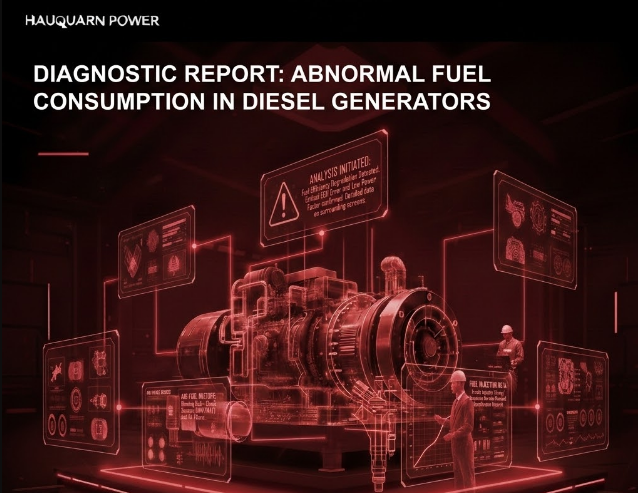
 Abnormale toename in brandstofverbruik van dieselopwekkers" breedte ="638" hoogte ="493" />
Huise, fabrieke, en kantore gebruik diesel Kragopwekkers hetsy as die hoofbron van krag of 'n rugsteun. Dit het gelei tot abnormale toename in brandstofverbruik van dieselopwekkers. Maar die afgelope tyd, operateurs aangemeld het hoë brandstofverbruik, wat hul hulpbronne beïnvloed. Hierdie situasie dra by tot die bedryfskoste en benadeel doeltreffendheid. Lees verder om die redes daarvoor te ontdek oormatige dieselverbruik.
1. Wat is 'n abnormale toename in brandstofverbruik?
Abnormale brandstofverbruik verwys na die styging in die hoeveelheid diesel wat die kragopwekker bo sy gemiddelde verbruik verbruik. Wanneer 'n kragopwekker hierdie stap slaag, vervaardigers verskaf gegradeerde waarde-kaarte wat gewoonlik oorskry word.
Die grafiek toon die brandstofverbruik by verskillende vragvlakke, in liter per uur. Wanneer die werklike brandstofverbruik hierdie waarde oorskry, terwyl vrag en omgewing dieselfde bly, dit dui op 'n probleem. Dit is 'n toestand van ondoeltreffendheid of gebrek. Hierdie probleem verhoog bedryfskoste en verkort toerusting se lewe.
2. Oorsake van abnormale toename in brandstofverbruik van dieselopwekkers
Daar is talle bronne van abnormale brandstofverbruik. Operasionele foute, meganiese foute, en beheer mislukkings veroorsaak hierdie probleme. Al die oorsake beïnvloed brandstofinspuiting en verbrandingsdoeltreffendheid. Hulle laat die enjin meer brandstof verbruik om dieselfde hoeveelheid krag te produseer.
Ander faktore wat lei tot swak brandstofdoeltreffendheid temperatuur en dieselkwaliteit insluit. Ook, die operateurs moet brandstofverbruik en enjininligting in ag neem. Met hierdie monitering, probleme word in die vroegste stadiums geïdentifiseer. Tydige instandhouding bespaar geld op hoë brandstofpryse en verseker die werkverrigting van die kragopwekkers.
2.1 Idle loop vir verlengde tydperke
'n Enjin wat luier loop, een wat nie onder nuttige vrag is nie. Hierdie versteuring mors hulpbronne en verminder produktiwiteit. Dit plaas koolstof op inspuiters en uitlaatonderdele. Hierdie neerslag verminder verbrandingsdoeltreffendheid en verhoog dieselkragopwekker se brandstofverbruik. Wanneer luier, die enjintemperatuur is laag as gevolg van die lae las. Lae temperatuur verminder brandstofverstuiving en verbrandingskwaliteit.
Ondoeltreffende verbranding verhoog brandstofverbruik en uitlaatgasse verder. Operateurs is veronderstel om lang tydperke van ledige tyd te vermy. Dit sal die kragopwekkers verbeter’ doeltreffendheid in terme van brandstofverbruik en verminder brandstofvermorsing.
2.2 Gereelde begin-stop-siklusse
Herhalende begin-stop lei tot hoë brandstofverbruik. Hierdie situasie verhoed dat die enjin normale temperatuur bereik. ’n Koue enjin verbruik meer brandstof. Dit lei ook tot meer slytasie van inspuiters en batterye.
Operateurs moet ook onnodige begin verminder. Die maatreël verbeter kragopwekkerdoeltreffendheid deur brandstofverbruik te verminder en onderhoudsuitgawes te minimaliseer.
2.3 Onbehoorlike vragbestuur
Swak lasbestuur verlaag die werkverrigting en doeltreffendheid van die kragopwekkers. Diesel kragopwekkers werk goed teen vragte van tussen 60 en 80. Nat stapeling en koolstofophoping is buitensporig in enjinkomponente onder lae vrag. Sulke ophoping verminder verbrandingsdoeltreffendheid en moedig aan oormatige dieselverbruik.
’n Groot vrag veroorsaak dat die enjin meer brandstof inspuit, wat enjintemperatuur verhoog. Die toestand verhoog slytasie en meganiese spanning. Ook, ongelyke ladingverspreiding beskadig elektriese komponente.
Dus, die operateurs moet vragtoewysing noukeurig beplan, aangesien behoorlike vragbeplanning die doeltreffendheid van dieselopwekkers verbeter, brandstofverbruik te verminder en betroubaarheid te verbeter.
2.4 Beheer goewerneurprobleme
Die goewerneur beheer enjinspoed en die uitsetfrekwensie. 'n Defek by 'n goewerneur veroorsaak variasies in spoed, 'n verskynsel bekend as jag. Hierdie onstabiliteit dui aan die brandstofstelsel om bykomende brandstof in te spuit. Die reaksie lei tot verhoogde brandstofverbruik en swak brandstofdoeltreffendheid.
Spoed ossillasie verminder die kwaliteit van verbranding en veroorsaak vibrasie. Dit lei tot meganiese slytasie en spanning. Die stelsel word stadig, die goewerneur te dwing om te probeer vergoed vir die traagheid. Die operateur moet die goewerneur aanpas en verfyn.
2.5 Foutiewe sensors
Nuwe dieselopwekkers sluit sensors in om die enjin se toestand te monitor. Dit is temperatuur, druk, en luginlaatsensors. 'n Foutiewe sensor dra verkeerde data na die beheerstelsel oor.
Die beheerstelsel pomp dan oortollige brandstof in die enjin. Die toevoer ontwrig die lug-brandstofverhouding, wanbalans veroorsaak. Dit verminder verbrandingsdoeltreffendheid en brandstofdoeltreffendheid. Wanneer gebrekkige sensors opgespoor en betyds deur die tegnici vervang word, dit is deur behoorlike toetsing.
2.6 Foutiewe ECU
Die enjinbeheereenheid (ECU) beheer die tydsberekening en hoeveelheid brandstofinspuitings. 'n Foutiewe ECU voorsien die enjinstelsel van die verkeerde beheereenhede. The consequences of these malfunctioning indicators are incomplete combustion and unstable engine functioning.
The defective ECU causes engine stalling or prevents engine start. The failure can be attributed to moisture, damaged wiring, or a software problem. The problem can be resolved through periodic diagnostic and software upgrades. With proper ECU use, one will achieve stable operation and high fuel economy.
2.7 Onbehoorlike kalibrasie
Incorrect calibration in engine measurements affects engine timing and fuel injection. The technician should synchronize the timing and the air-fuel ratio during maintenance. Incorrect settings reduce combustion leading to swak brandstofdoeltreffendheid. Poor calibration also enhances emissions and engine vibration.
2.8 Battery en begin kwessies
A generator that has difficulty starting may have a problem with the battery. When the battery is low, cranking slows. This disorder causes repeated attempts to start. Each attempt uses extra fuel.
Loose terminals and poor charging could also cause starting failure. This issue increases fuel consumption and strains engine components. You can avoid this problem through regular testing and maintenance. A good battery enhances generator efficiency and reduces fuel waste.
2.9 Verstopte uitlaatstelsel
A blocked exhaust system impedes exhaust flow. This obstruction increases the engine’s back pressure, forcing it to work harder. The additional work burns more fuel, decreases the engine power, and causes overheating.
Blockage may occur due to carbon accumulation or damaged parts. But you can avoid it by checking the exhaust system. Appropriate exhaust circulation reduces swak brandstofdoeltreffendheid en enhances engine performance.
2.10 Vuil brandstoffilters
Soiled fuel filters limit the fuel supply to the engine. It limits the amount of fuel available during operation. This disorder results in inefficient combustion and low power output. It also increases fuel consumption and engine temperature.
The filters are easily clogged and rusty. You can avoid this by regularly changing the filters. Nuut, clean filters ensure proper fuel flow and protect the engine.
2.11 Brandstofvervalsing
In fuel adulteration, the manufacturers combine diesel with low-quality liquids, kerosene, and solvents. Such a combination reduces fuel quality and damages engine parts. Poor-quality fuel alters combustion properties, reducing engine power.
Adulteration raises fuel consumption and emissions. The blend also leads to carbon deposits in injectors and cylinders. These stores reduce efficiency and cause wear and tear over time. The operators are supposed to purchase fuel from reputable suppliers and test it periodically to maintain the generator’s efficiency.
2.12 Swak brandstofgehalte
Low-quality fuel is harmful to diesel generators. It clogs filters and injectors. This makes the generator erratic and reduces its power output. If left to persist, it can cause engine failure. In sommige gevalle, contamination causes partial burning and knocking.
Dirty fuel affects diesel generators. It ruins the injector pump and costs a lot to fix. Daarom, the operator must charge the generator with high-quality, clean fuel. Ook, fuel should be cleaned regularly to ensure performance and control fuel waste.
2.13 Hoë Hoogte Bedryf
Altitude elevation lowers the air density and the amount of oxygen. Low oxygen levels result in a poor fuel mixture in the engine. It reduces power production and resulting in swak brandstofdoeltreffendheid.
Operators may observe slow response and low efficiency. To fix the altitude settings, technicians are advised to check and adjust the engines.
2.14 Hoë omgewingstemperatuur
A rise in ambient temperature reduces cooling efficiency and air density. The condition minimizes the engine power and combustion performance. Excessive heating is hence a risk factor.
Overheating reduces fuel consumption and damages internal parts. It makes it more difficult because it thins the lubricating oil. It consumes more fuel since the engine becomes very frictional. The operator is also expected to make sure that the cooling systems are operating. A cooling system is designed to safeguard the engine and enhance performance and fuel efficiency in diesel generators.
2.15 Harmoniese vervorming
Unequal electrical waveforms create harmonic distortion. It results from nonlinear loads and causes significant energy loss.
When it persists, the distortion compels the generator to consume more fuel. The high levels of harmonics result in overheating and equipment damage. Operators may use harmonic filters and grounding to reduce the distortions. It improves power quality and reduces oormatige dieselverbruik.
2.16 Swak kragfaktor
Poor power factors dissipate electrical power. This occurs when there is an anti-phase relationship between voltage and current. The main causes of poor power factor are inductive loads. It occurs when you overload the generator or run it on low load. It increased energy demand, pushing the generator to consume more fuel.
2.17 Smeerstelselkwessies
Signs of lubrication system issues include low oil pressure and overheating. The issues manifest themselves as leaking gaskets and clogged filters. The generator responds by consuming more oil. It may also overheat due to oil leakage. The correct intervention is to replace the oil and filters early.
2.18 Klepopruimingskwessies
The valve clearance controls the flow of air and fuel into the engine. Incorrect timing on the clearance interferes with the engine timing. In sommige gevalle, the valves are unable to close due to tight clearances.
It may allow more fuel into the chamber, most of which is emitted as smoke. It is one of the combustion inefficiencies that promotes the use of more fuel. By achieving adequate valve clearance adjustment, it increase and controls engine performance and oormatige dieselverbruik.
2.19 Verslete suierringe
The compression closes the combustion with piston rings. Once they are worn, they spill fuel and oil into the chamber. This condition increases fuel consumption. Ook, the oil could cause black smoke emissions.
Operators may reduce piston ring tear through regular service and maintenance. It maintains the engine, enabling it to run on minimal fuel.
2.20 Turboaanjaer probleem
The turbocharger compresses air and feeds it into its combustion chamber. On failure, it reduces the supply and combustion efficiency. The generator consumes more fuel since the air supply is less.
A turbocharger can also be problematic, leading to broken bearings, olie lekkasies, and carbon buildup. The smoke and power may go off in such situations.
2.21 Brandstoflekkasie
Diesel is wasted due to fuel leaks and pressure drops in the system. Causes of fuel leaks are damaged components or an overfilled tank. In sommige gevalle, vibration damage loosens the connection, causing fuel leaks.
2.22 Inspuitpomp wanfunksie
The injection pump controls the fuel delivery. A faulty pump results in an incorrect amount of fuel delivery to the engine. It leads to poor combustion and oormatige dieselverbruik.
Causes of pump failure include mechanical wear or fuel contamination. The problem results in shabby running and smoke. Regular cleaning and calibration of the pump solves the problem.
3. Bereken abnormale toename in brandstofverbruik van dieselopwekkers
Operators may need to compute fuel consumption to identify issues. The first one is to measure the actual fuel the engine consumes in liters over a period. The second step would be to verify with the manufacturer’s fuel consumption chart.
Compare actual and expected values. An increase in actual value represents swak brandstofdoeltreffendheid. To compute deviation, use the formula below.
On one occasion, die 20 L/h generator ran for up to 10 ure. It is supposed to consume 200 liters of fuel. In the case of actual use of 240 liters, it increases by 20 persent. This finding demonstrates inefficiency.
Constant monitoring can identify fuel issues early and ensure the generators operate efficiently.
4. Voorkoming van abnormale toename in brandstofverbruik van dieselopwekkers
The first step in preventing oormatige dieselverbruik is in the maintenance and operation. Servicing involves frequent checks of the air, brandstof, and injector filters. Clean filters enhance combustion and lessen fuel wastage.
Ook, operators need to continuously monitor load rates. The monitoring eliminates underloading and overloading. Fuel injection is done correctly with proper calibration of the fuel system.
Calibration of this kind is beneficial to combustion. It is well lubricated, reducing friction in the engine. A proper cooling system will prevent excessive heating and will secure the parts.
Fuel audits help to monitor hoë brandstofverbruik situations and detect problems early. Installing monitoring systems and providing operator training enhances the efficiency of diesel generator fuel use and reduces fuel waste.
4.1 Periodieke laaibanktoetsing
Diesel generators are maintained and made efficient through periodic load bank testing. It is a test on the generator that uses a load bank to simulate an artificial electrical load. The load causes the generator to operate at its rated capacity.
Through this process, there is exposure to hidden problems such as wet stacking and carbon accumulation. The deposits reduce combustion efficiency and increase fuel consumption.
Load bank testing equalizes engine temperature and enhances performance. The test is conducted to ensure the system is functional. It is more fuel-efficient, has a long runtime, and provides a steady power output even at peak load.
4.2 Gereelde prestasie-oudits
High fuel consumption will be detected through regular performance audits. This audit will investigate fuel history, laai patroon, and maintenance history. Its review shows the generator’s long-term performance.
Operators compare real data with manufacturing standards. Such a comparison indicates inefficiency and possible issues. Injectors, turbo-aanjaers, verkoelingstelsels, and electrical parts are analyzed in the audit. It assists in identifying failures and performing repairs. Accountability and performance appraisal result from regular audits.
4.3 Dieselbrandstof van hoë gehalte
High-quality diesel fuel will make generators effective and efficient. Power the engine with clean, well-burning fuel to keep it running normally. Low-quality fuel causes injector blockage and carbon deposition.
These issues increase fuel consumption and maintenance costs. Use cetane fuel, which enhances ignition and reduces emissions. Ook, the operators should purchase diesel from reputable suppliers.
Avoid contaminating fuel by storing it in clean tanks. Using quality fuel ensures the safety of engine parts. The practice ensures the efficient operation of diesel generators, reducing unnecessary costs such as oormatige dieselverbruik.
5. Gevolgtrekking
Monitoring and maintenance of the diesel generators is key to continued operation. Lack of proper maintenance leads to oormatige dieselverbruik but reduced power output.
Some factors that can cause abnormal increase in fuel consumption of diesel generators include Meganiese foute, calibration issues, or low-quality fuel. Regular check-ups could help identify these issues and fix them to mitigate against abnormal fuel consumption. Load testing and performance audits are required to ensure the generator remains efficient.
6. Koop nou dieselgenerators met Huaquan Power!
Diesel generators are more consistent, minder brandstof verbruik, and perform better. Huaquan Power manufactures efficient, fuel-efficient generators for various applications. The generators feature superior technology and are of high quality. The solid design makes it generate power continuously and is fuel-efficient.
Ook, the units are suitable for industrial, kommersiële, and backup power applications. Huaquan Power also provides advanced after-sales and technical support services. This assistance will ensure you experience a smooth workflow. Call Huaquan Power today to get a high-quality diesel generator that meets your power requirements and conserves fuel.