Introduction
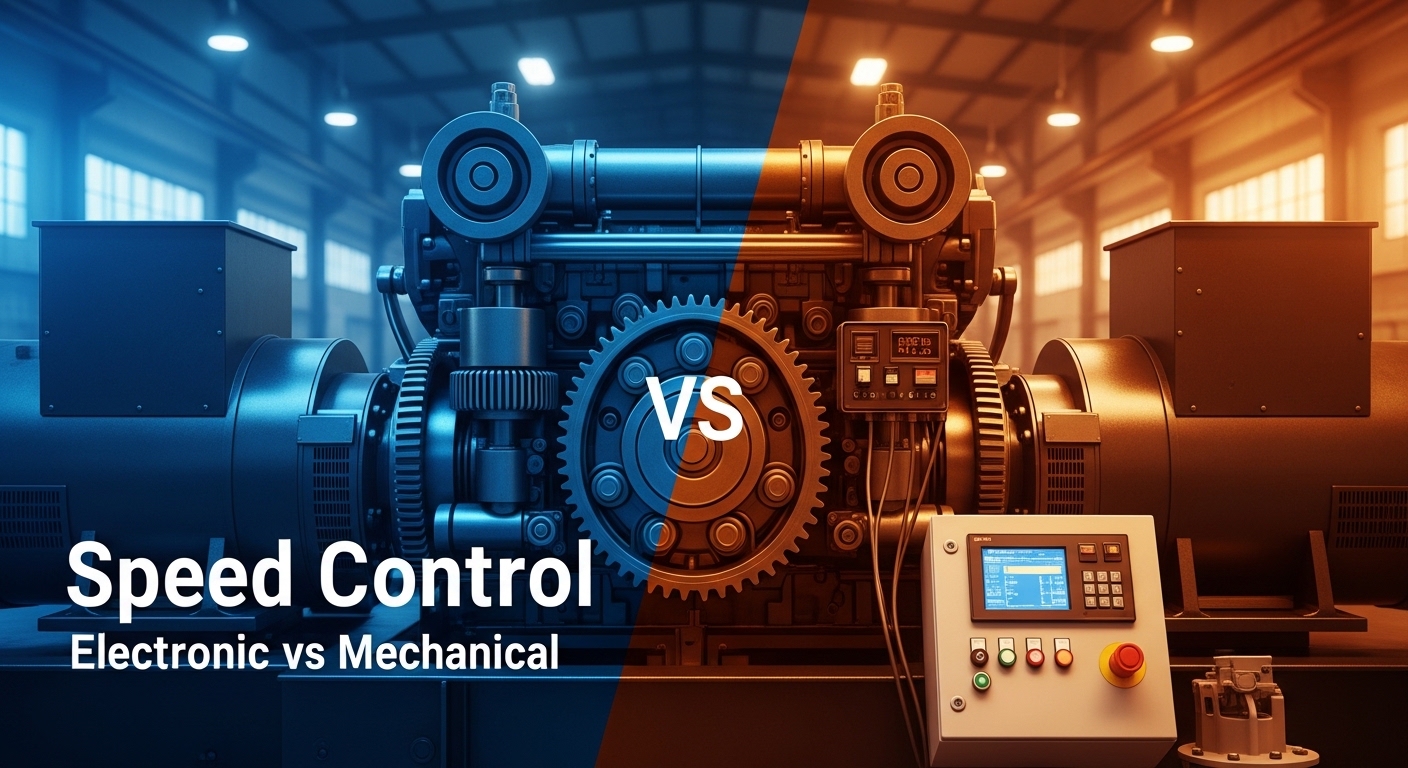
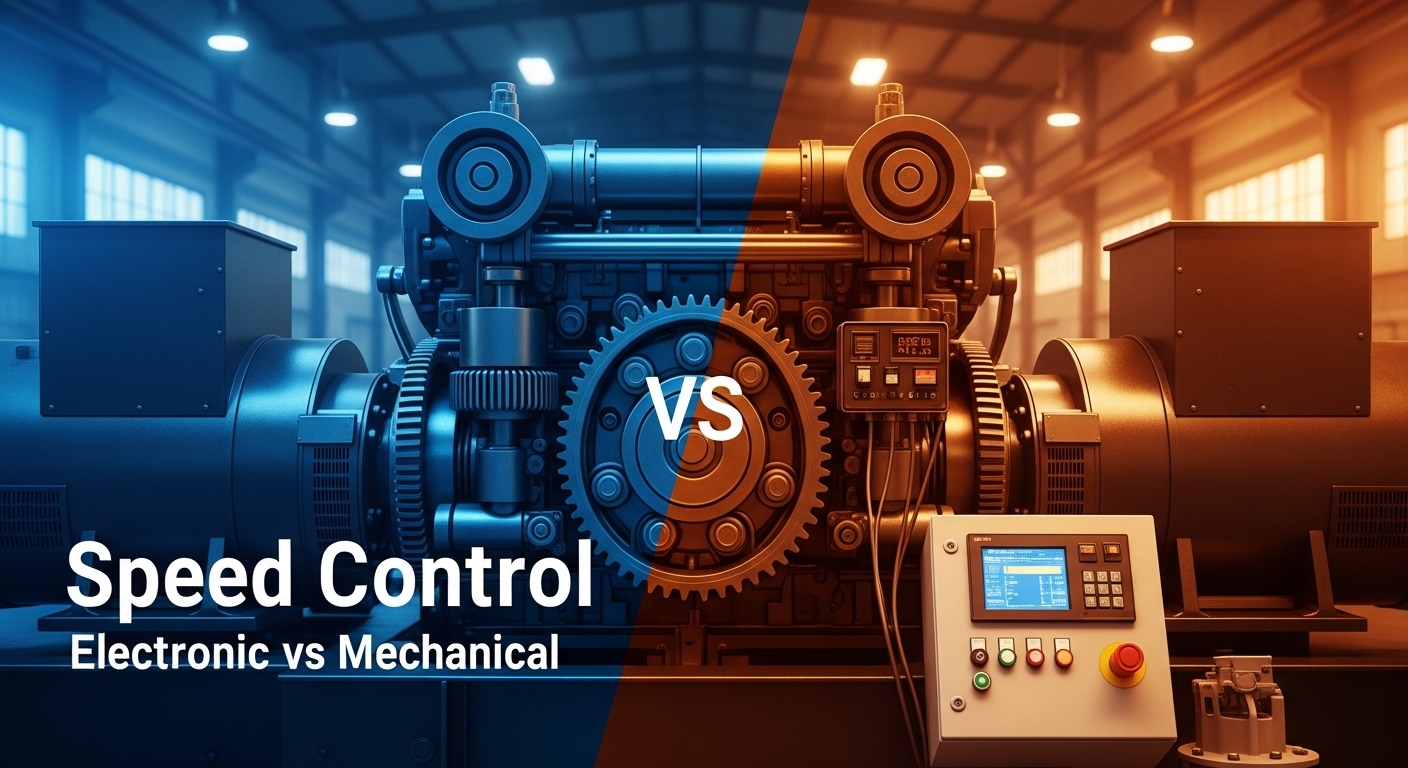
To maintain stable and reliable performance of diesel generators, you must know the difference between electronic speed control and mechanical speed control. Speed control systems regulate engine speed, which directly influences frequency stability and power output. Therefore, this guide outlines the main characteristics, strengths, and weaknesses of the two systems to help you make the correct choice.
Know The Purpose of Speed Control in Diesel Generators
Speed control systems ensure that the engine speed remains constant under different load conditions. As a result, constant engine speed guarantees stable frequency output, which is critical for sensitive equipment. However, any change in speed can cause instability in voltage and frequency. This may lead to equipment malfunction or damage. Proper speed control ensures efficient generator operation and long-term reliability.
Know The Basics Of Mechanical Speed Control
Mechanical speed control systems use physical elements such as springs, flyweights, and linkages. These systems adjust the fuel supply according to changes in engine speed.
As engine speed rises, centrifugal force pushes the flyweights outward, reducing fuel supply. When speed decreases, the system increases fuel supply. Therefore, this basic mechanism helps maintain engine speed. Mechanical governors are widely used in traditional diesel generators due to their simplicity and durability.
Know The Basics Of Electronic Speed Control
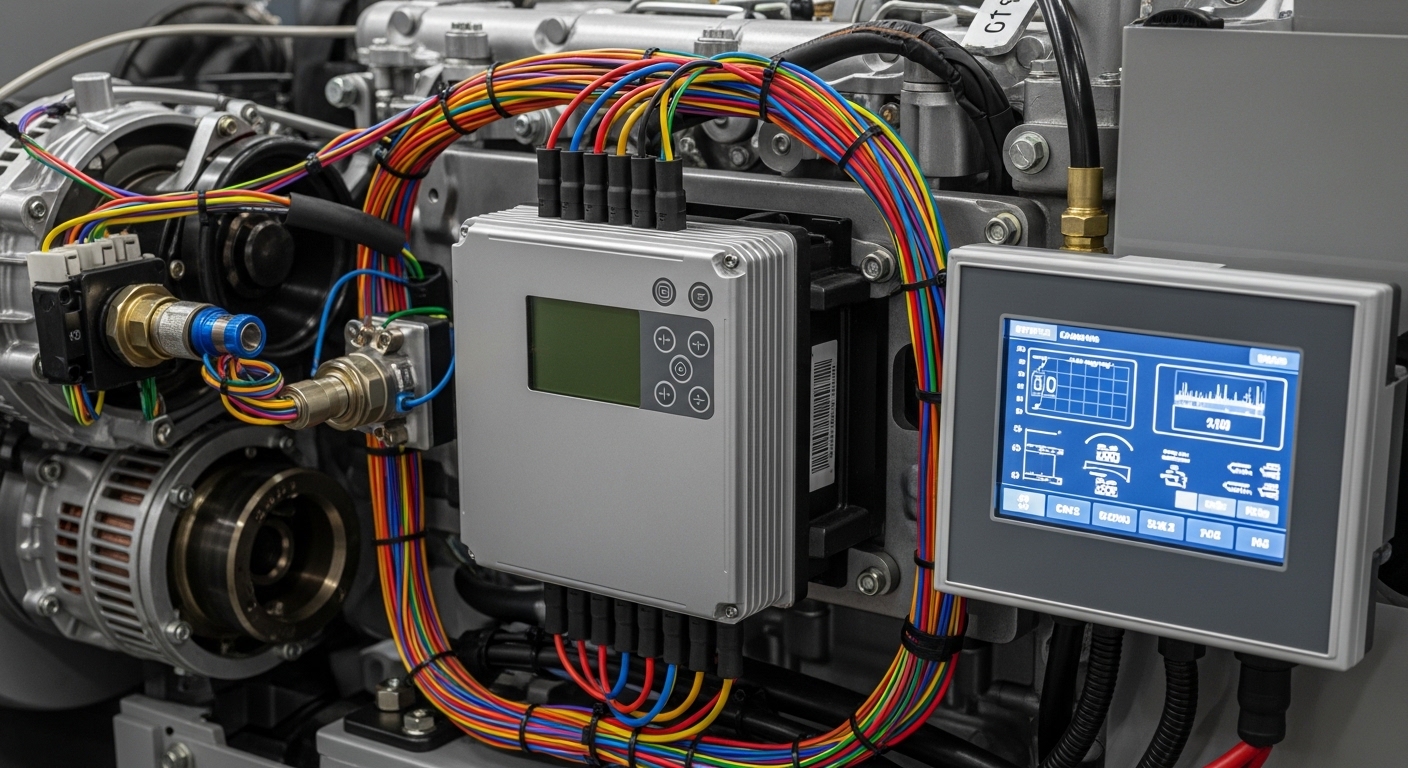
Electronic speed control systems use sensors, controllers, and actuators to control engine speed. These systems continuously monitor engine speed and control the fuel supply electronically. Electronic governors use advanced control algorithms to maintain precise speed. They respond quickly to load variations and provide accurate speed control. As a result, modern generators commonly use electronic speed control to enhance performance and efficiency.
Compare Speed Control Accuracy
One of the most significant aspects of comparing speed control systems is accuracy. Mechanical speed control systems provide moderate accuracy. However, speed variations can occur under abrupt load changes. Electronic speed control systems are highly accurate. They maintain constant speed with minimal variation. Therefore, this makes them suitable for applications where frequency control is critical.
Evaluate Response To Load Changes
Load variation is common during generator operation. Mechanical systems respond slowly to sudden load changes. This delay may cause temporary speed drop or overshoot.
However, electronic systems respond quickly due to real-time monitoring and control. They regulate fuel flow in real time, ensuring steady performance. Quick response enhances stability of generators and safeguards equipment connected to it.
Compare Stability Performance
Stability is the capability of the generator to remain at a constant speed and frequency. Simple applications are acceptable with mechanical governors. Nevertheless, variations can be experienced under dynamic load conditions.
Electronic governors are more stable. They are also suitable in critical operations because they are able to maintain a constant speed despite the different loads.
Assess Fuel Efficiency
Another consideration in the operation of generators is fuel efficiency. Speed control systems that are mechanical might not be efficient in fuel consumption. Under fluctuating conditions, fuel consumption may rise.
Electronic speed control systems maximize fuel injection according to load demand. This enhances fuel efficiency and lowers operating cost. Effective fuel management improves the overall performance of the generators.
Evaluate Maintenance Requirements
The two systems have different maintenance requirements. Mechanical systems need periodic checks of moving components like springs and linkages. Performance may be affected by wear and tear.
Electronic systems have less moving components but need experienced technicians to troubleshoot. Electronic parts might require special diagnostic tools. Both systems are long-term reliable with proper maintenance.
Check System Complexity
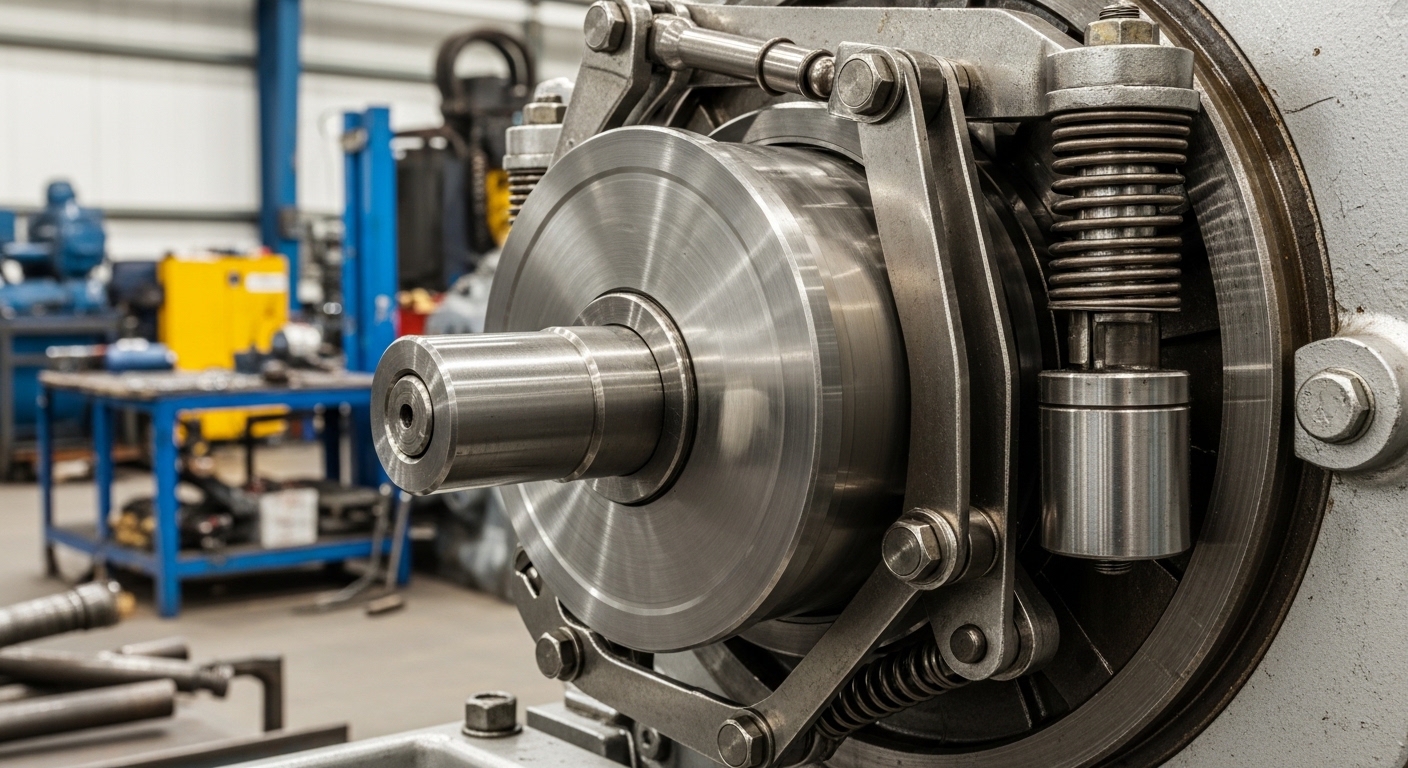
Mechanical speed control systems are simple in design. They are simple to comprehend and fix. Speed control systems that are electronic are more complicated. They include sensors, wiring and control units. Although complexity enhances performance, it can make maintenance more challenging.
Compare Reliability
In generator applications, reliability is paramount. Mechanical systems are highly reliable due to their simple design. They work in extreme conditions with low chances of failure. However, electronic systems are reliable but may be sensitive to environmental factors such as moisture and temperature. Proper protection and maintenance improve reliability of electronic systems.
Evaluate Cost Considerations
Cost is a significant factor when selecting a speed control system. Mechanical systems of speed control are cheaper to start with. They are cost-effective for basic applications.
Speed control systems that are electronic are more expensive to install because of complicated parts. They are more efficient and effective however. Maintenance and fuel savings should be considered as long-term costs.
Assess Suitability To Applications
Various applications demand varying performance.
Mechanical speed control is suitable for:
- Small generators
- Basic industrial use
- Non-critical applications
Electronic speed control can be used in:
- Data centers
- Hospitals
- Sensitive equipment
- Continuous operation systems
Depending on the operational needs, the system that is suitable is selected.
Check Environmental Adaptability
Generators often operate in harsh environments. Mechanical systems are less sensitive to dust, moisture, and temperature changes. However, electronic systems must be properly protected from environmental factors. Insulation and enclosures are used to enhance durability. Stable operation is guaranteed by environmental suitability.
Evaluate Noise And Vibration Impact
Speed control systems can influence engine smoothness. Slower response may result in more vibration in mechanical systems.
Electronic systems operate more smoothly because they maintain constant speed. This minimizes vibration and enhances performance. Less vibration increases the life of equipment.
Compare Installation And Set-up
Mechanical systems are easy to install and require minimal setup. However, electronic systems require proper adjustment and tuning. Proper set up is needed to perform well. Complexity of installation should be considered during the selection.
Assess Control Flexibility
Electronic systems provide greater control flexibility. Parameters like speed, response rate and load handling can be adjusted using electronic governors. Mechanical systems are not adjustable. Manual adjustments are done. Adaptability to various applications is enhanced by flexible control.
Check Safety Features
Safety is a critical factor in generator operation. Basic safety of mechanical systems is simple operation. Electronic systems are equipped with high-levels of safety systems such as automatic fault detection, alarms and shutdown. Safety protection equipment and operators are improved.
Evaluate Long-Term Performance
Durability and maintenance are important to long-term performance. Mechanical systems can wear out with time, which can influence accuracy. Electronic systems can be relied upon to perform when well maintained. Frequent maintenance guarantees efficiency in the long run.
Select Based On Operational Needs
They are to be chosen based on some requirements.
In simple and low-end applications:
- Mechanical speed control
In sensitive and high accuracy processes:
- Electronic speed control
The choice of the suitable system will ensure optimum performance.
Importance Of Regular Maintenance
Both systems require maintenance to operate effectively. Routine inspection, cleaning and servicing are used to maintain efficiency. Maintenance reduces the potential of failure and extends the life of equipment. Good maintenance planning enhances the performance of generators.
Train Maintenance Personnel
Generator systems have qualified technicians that work on them. Mechanical and electronic speed control systems should be familiar with the employees. Training will be provided to do proper troubleshooting and maintenance. Skilled personnel enhance dependability and safety.
Keep Performance Records
Performance monitoring helps in monitoring system efficiency.
Important records include:
- Operating hours
- Fuel consumption
- Maintenance activities
- System performance
Well maintained records aid in improved maintenance planning.
Follow Safety Procedures
Safety should always be a priority. Protect against working and follow working rules. Accidents and damage of equipment are avoided through proper safety practices. Long-term reliability is guaranteed by safe operation.
Conclusion
To select the most stable system, you must understand the difference between electronic speed control and mechanical speed control. Mechanical systems are simple, reliable and cheap to apply in tasks of simple nature. Electronic systems are more precise, reliable and effective.
The choice of the appropriate speed control system is based on the needs of the application, cost and performance considerations. The reliability and efficiency of generators is also enhanced by using them correctly and maintaining them properly.
Frequently Asked Questions
What Is The Key Difference between Electronic and Mechanical Speed Control?
The sensors and controllers are electronic and to control the electronic system precisely compared to mechanical systems that consist of physical components.
Which of the two Speed Control Systems is more stable?
Speed control is more stable by electronic control through faster response and control.
Are Mechanical Governors Still There?
Yes. They are used in low end and low cost applications.
Is Electronic Speed Control More Costly?
Yes. It is costlier to start up and has high performance and efficiency.
What System to apply in Sensitive Equipment?
Electronic speed control is more appropriate since frequency and voltage output is steady.
About Huaquan Power
Huaquan Power is proposing the professional diesel generator solution to the industrial and commercial users. You can have a choice of reliable generator sets, customized power systems and complete technical supports.
Visit: huaquanpower.net
You will be in a position to learn about more products and options of services that can be offered to you depending on your power system requirements.