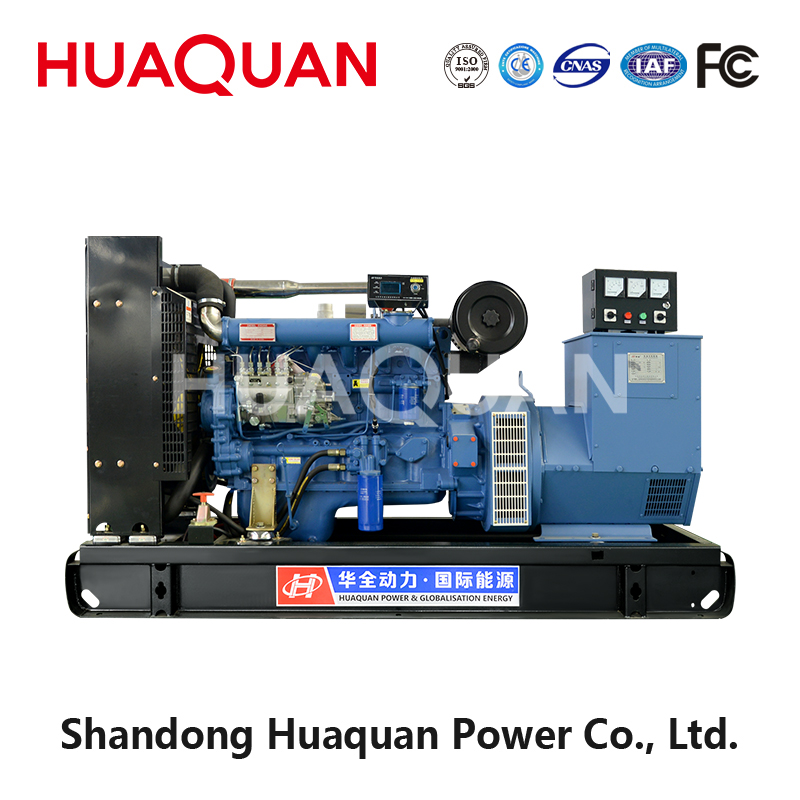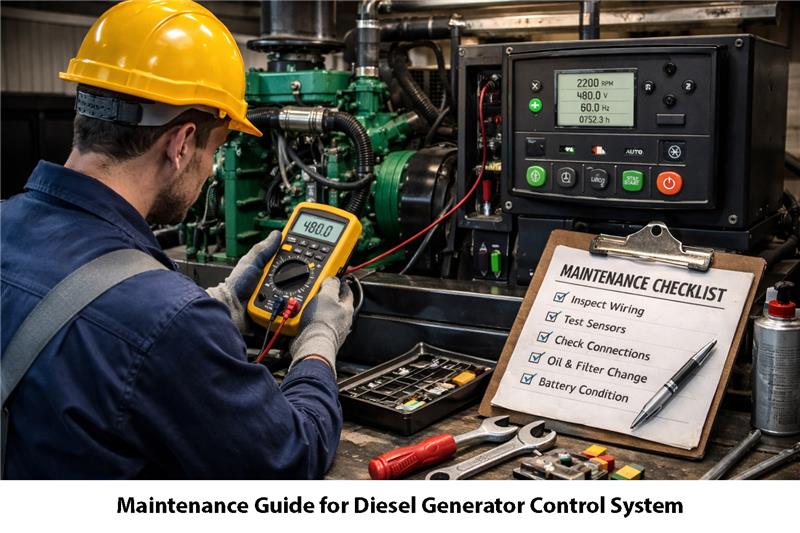

A diesel generator control system is essential in the determination of reliable power generation, constant monitoring, and safe generation operations. Failure to perform regular maintenance may result in unforeseen downtime, expensive repairs, or even a complete failure of the generator at a time when you would most likely need it.
How do you maintain your diesel generator control system, then?
This guide provides a step-by-step procedure for the maintenance of both the mechanical components and the control system to ensure that your generator is ready whenever required.
Read on!
What Is a Diesel Generator Control System
A diesel generator control system displays valuable parameters such as current, voltage, and frequency for effective monitoring and provides real-time data and control. Moreover, it applies sensors to regulate load transfer, safely shut down, and start/stop the generator in case of outages.
Typical Elements of a Diesel Generator Control System
There are various default components of a typical diesel generator control system, which work together to monitor the work of the generator. The common components are as follows:
- Controller Module: This is the main digital controller that measures, switches on and off, and demonstrates such generator performance as voltage, frequency, and current.
- Automatic Voltage Regulator (AVR): It controls the AC output voltage to keep it stable, preventing fluctuations that could damage any connected electronic devices.
- Engine Sensors: They comprise lube oil pressure, temperature of the coolant, fuel level sensor, and an RPM sensor, with which the engine will be stopped when it is damaged.
- Circuit Breakers: Circuit breakers limit the overloaded generator or electric circuits from short-circuiting, thereby disconnecting the power.
- Automatic Transfer Switch (ATS): This component detects utility power and switches the generator to start, and then automatically switches the load to generator power.
- Battery Charger: It ensures the starter battery is kept at optimal charge capacity so that it will be startable.
- Emergency Stop Button: It allows instant shutdown if there are emergencies.
- Speed Control: It determines the engine speed to ensure that it is at the required frequency despite the load.
Generator Maintenance Checklist: Mechanical Components
Now that you understand the basics of the diesel generator control system, let’s look at the essential mechanical maintenance you need to keep your generator running smoothly before maintaining the control system in detail.
Routine mechanical servicing not only prevents failure, but also causes less weakening of the chief parts such as the engine, alternator, and cooling system.
The following is an effective generator maintenance checklist to follow.
Daily/Weekly Inspections
They can start with simple daily or weekly generator repair and maintenance. They may not need a lot of time, yet they make you identify the issues sooner. All you have to do is:
- Physically inspect the presence of oil, coolant, and even fuel leaks.
- Loose or damaged belts and hoses, corrosion, or excess dirt or debris.
- Check engine oil, coolant, and fuel levels and refill them.
- Make sure that the battery is fully charged, as well as that the terminals are kept clean, since a weak battery can become operational during power outages.
- Carry out a load test at least once a week to maintain the engine in a smooth running condition, the circulation of lubricants, and the integrity of the seals.
Routine Services Procedures
Have more detailed maintenance on a regular basis, often according to running time, or on a calendar. Oil and filter should be changed every 250-500 hours of operation or according to the OEM instructions. Use new oil and new filters to ensure the engine works efficiently.
Other tasks are important and include:
- Install clean air filters or replace them to ensure a good air circulation rate and the combustion rate.
- Check clearing systems like radiator, level of coolant, and blockages or leaks of hoses.
- Load bank testing and exercise run to check the real load situation and prevent the occurrence of issues like wet stacking in standby units.
This simple mechanical generator maintenance checklist will increase the life of your diesel generator. It is also a guarantee that your generator will react upon command by the control system to start, stop, or load transfer.
Genset Control Panel Maintenance Checklist
Since you have checked that the mechanical components of your diesel generator are in excellent condition, it is time to give attention to the control system.
To maintain an actionable genset control panel maintenance to ensure your system is responsive, let’s look at some actionable tips.
Regular Checking of Control Panels
Start with the visual checks and simple assessments that should be done daily, and make sure that the control system remains operational:
- Check for dirt, moisture, and corrosion: Dirt, water intrusion, or corrosion may damage circuits and connectors, and hence will behave unpredictably.
- Clean LCD/LED display surfaces: Be able to read a display without looking through the glass to get parameters and alarm information.
- Check the tightness of the wire harness and terminal: Loose connections are among the common faults and false alarms. Therefore, be sure of the tightness of the connection and clean the upper hand terminal insulation.
- Light indicators and gauges: All indicators, LEDs, meters, and other indicators should be responsive.
These simplistic checks will assist you in spotting problems at an early stage and make sure that your diesel generator control system will work when it is needed the most.
Sensor Calibration and Control Firmware
In current genset controllers, logic, timing, and safety responses are programmed in controller firmware. Keep this firmware as a way of boosting security, as well as addressing bugs and providing reliability. Consistency in updates can also enhance the integration with the related monitoring devices and communications.
It is also important to calibrate the sensor. The control systems rely on appropriate inputs from the sensors of temperature, pressure, oil level, and voltages. When they drift, false-alarming sensors or masking actual faults are caused. Therefore, it is important to regularly calibrate these sensors in order to ensure that they are within manufacturing ranges.
Diagnostic Procedures
Contemporary diesel generator control systems have high diagnostic features. To prevent failures before their occurrence:
- Take advantage of the built-in test capabilities and tools of diagnosis.
- Examine error logs and event logs.
- Documentation of control system design and configuration settings should also be updated to provide easy reference in times of troubleshooting.
Advanced troubleshooting can require a lot of knowledge about communication protocols and network structures. That is why it is important that records are kept properly.
Remote Monitoring and Telemetry
Remote diagnostics is emerging as an established aspect of control panel maintenance of gensets. The control system can be linked to the remote platforms, such as Modbus, CAN bus, or IoT gateways, to monitor generator parameters in real time, anytime, and anywhere.
These platforms accumulate data regarding the hours of operation, engine load, fuel quantity, and temperature, and allow you to anticipate troubles before they arise and lead to downtimes. Algorithms and event notifications, such as overheating, low fuel, or start/stop, are also supported with real-time monitoring.
You will enhance the stability of your diesel generator control system with frequent inspections, periodic updates of firmware, intelligent diagnostics, remote monitoring, and backup settings.
Safety, Compliance, & Best Practices
Now that you understand genset control panel maintenance, it’s important to remember that knowledge alone isn’t enough. You need to be careful while performing generator repair and maintenance.
So, here are some safety measures you should follow at every step:
- Wear insulated gloves, safety glasses, and arc-flash-rated clothes when working on energized systems.
- Always isolate power sources when doing genset control panel maintenance to avoid accidental energization.
- Clearly identify procedures in the event of system failures, communication procedures, and emergency contacts.
- Prepare your team and identify the weaknesses in emergency management.
- Record inspections, repair, replacement, and system updates so that you can trace them easily.
- Monitor maintenance, inventory, and service history effectively.
- Maintain records according to industry requirements and make regular audits of these records.
- Maintain technical documentation by keeping manuals, schematics, and configuration data in both digital and physical formats.
Conclusion
This is the end of our maintenance guide for the diesel generator control system.
If you want to maximize the lifespan of your generator’s control system, make sure you follow a consistent maintenance routine, solve issues quickly, and always follow manufacturer guidelines. And if you’re thinking of investing in a reliable control system built for long-term performance and easier maintenance, explore high-quality diesel generator options at Huaquan Power.
⚡ Explore Related Solutions
- 🏭 500kW Diesel Generator
- 🏭 1000kW Diesel Generator
- 🏭 500kW YC Diesel Generator
- 🔧 KMS (Cummins/Doosan) Series
- 📋 Diesel Generator Sets
- 📋 Order Process — How to Buy
- 📋 Contact Us
💡 Need a customized solution? Contact our engineering team for project-specific recommendations.