 Generators" width="576" height="403" />
A Diesel Generator will emit excessive exhaust smoke when it’s poorly maintained or worn out. So you need to determine the causes to know what to do. Troubleshooting enables the operator to find faults that require urgent repairs. Hauquan Power offers reliable diesel generators that deliver clean energy for commercial and industrial use. Continue reading to learn more about possible causes of black smoke emission from generators.
1. Black Smoke Emission from Diesel Generators
The visible sign of incomplete fuel combustion from your diesel generator is the black smoke. It usually appears as heavy, dark exhaust when the generator starts or when you connect an additional load.
For commercial fleets, construction companies, and marine operators, excessive exhaust smoke not only reduces efficiency but also increases fuel and maintenance costs. It can also exacerbate the existing engine problem.
The latest model of diesel generators optimizes the air-to-fuel ratio during combustion. It helps to reduce smoke emissions. Therefore, it is necessary to understand the reasons that contribute to black smoke to ensure reliability and engine life.
2. Causes of Black Smoke Emission by Diesel Generators
Mechanical and operational factors are the significant causes of Black smoke from diesel generators. They involve high periods of idleness, low ambient temperatures, and partial combustion. Others can be faulty piston rings and carbon formations on engine parts.
These issues reduce the amount of air entering the engine, causing incomplete fuel combustion and, for instance, introducing excess fuel into the combustion chamber without a corresponding amount of air, resulting in unburnt particles. The generator releases the particles as black smoke.
In addition, blocked air filters and injectors can lead to incomplete fuel combustion due to poor maintenance. The particles must escape through the exhaust as black smoke.
You’ll need to identify the cause of the issue and resolve it to prevent costly engine maintenance.
2.1 Long periods of idling
The usual operational factor leading to excessive exhaust smoke emissions is excessive idling of diesel generators. When the load on a generator is low and combustion temperatures drop, it results in idling. This idling causes partial fuel combustion and the formation of carbon.
In the long run, wet stacking may occur, whereby the exhaust system fills with unburnt fuel. This problem is common among generators that are too large for their load demand.
Proper load management, periodic load banking, and the correct selection of unit size for your needs are the solutions. Running generators at the recommended load requirements reduces black smoke emissions.
2.2 Low Ambient Temperatures
Cold conditions may also contribute to black smoke emission. When temperatures fall, the fuel thickens and does not burn completely. Thick fuel cannot mix with air, leading to incomplete fuel combustion. As a result, the generator will emit black smoke.
Also, because the middling cold engine cannot reach its optimum operating temperature quickly, it promotes soot formation. It explains why black smoke emissions are a common problem among marine operators and during winter seasons.
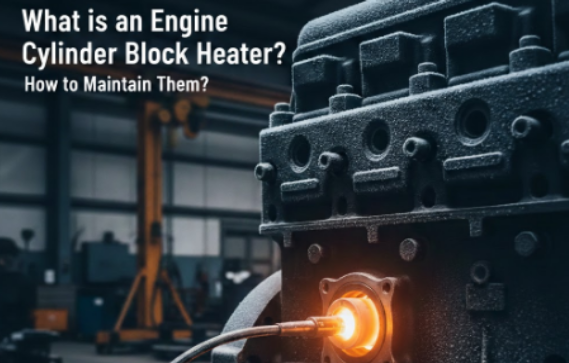
Using engine block heaters and winter-grade diesel fuel could significantly reduce smoke emissions. It also protects parts of the engine, which might otherwise undergo undue wear.
2.3 Incomplete Combustion
Incomplete combustion is one of the leading causes of black smoke. It occurs when excess fuel dashes into the engine without an adequate supply of air. The cause of this is primarily a blocked filter.
Regular inspections of filters and fuel delivery systems are necessary. Some quick fixes include cleaning the injector regularly and replacing the filter often.
2.4 Worn Piston Rings
Worn-out piston rings may cause the generator to emit black smoke. The rings compress and close the combustion chamber. As they wear out, they compress less, reducing the efficiency of fuel combustion.
Generators used under heavy load conditions are particularly susceptible to this problem because rings wear out quickly. Carry out compression testing and oil testing to help identify the cause of the problem.
However, replacement of damaged piston rings will solve the issue. Also, consider repairing any other worn-out parts.
2.5 Carbon Buildup
Low-quality fuel, poor maintenance, and low load operation can contribute to carbon accumulation.
The other major cause of black smoke emission is the accumulation of carbon. It obstructs the injectors, valves, and exhaust system, resulting in black smoke. High levels of carbon deposits alter injector sprays and air flows, leading to smoke emissions. Minimize deposits by regularly servicing and cleaning the fuel system.
Burning the accumulated carbon during periodic load testing can be beneficial. Generally, clean engine components enhance efficiency and minimise emissions.
2.6 Intercooler issues
A problematic intercooler results in reduced engine power and increased fuel consumption. Also, it causes overheating making the generator exhaust black smoke. The intercooler may be clogged or have cracks or damaged pipes.
The operator can easily diagnose intercooler issues. They will manifest in reduced power performance, black smoke or overheating alarm. In some cases, they may hear hissing or whistling noise especially if the pipes are loose or there are cracks causing leakage. The engine may also start consuming a lot of fuel because it must work hard to maintain the required power output.
2.7 Air Intake Leaks
Leaks in hoses or gaskets are other causes of black smoke emissions. Excess air can enter the combustion chamber through leaks. It alters fuel air ratio resulting in incomplete combustion.
Unused fuel comes out as black exhaust gas. You should regularly check the air intake pipes and the generators that drive industrial and marine equipment to confirm they have no cracks, loose clamps, or broken parts. Close all leaks to ensure easy airflow and prevent unnecessary misuse, minimizing smoke.
2.8 Clogged Air Filters
Blocked air filters reduce the amount of air entering the engine. This inadequate air supply leads to incomplete fuel combustion. Causes of clogging include dust, debris and pollen grains. Sometimes, pet dander and pollen grains can result in clogging. The operator can eliminate some of these causes by installing HVAC in rooms housing the diesel generator. Also, regular maintenance could reduce the problem.
2.9 High Injector Pressure
If the injector calibration is incorrect, the diesel generator will emit black smoke because more fuel gets into the engine. Most of this fuel will not burn, leading to incomplete combustion and emission of black smoke.
Erratic injection pressure in a system can result from faulty fuel pumps or incorrect system tuning. Use professional diagnostics to confirm the fuel system settings.
Thus, operating at the recommended injection pressure enables complete combustion, enhancing power output. It dramatically reduces smoke.
2.10 Injection Timing issue
Diesel generators may experience issues with injection timing. Causes include improper adjustment or wear. The generator will experience starting problems and may produce excessive exhaust smoke. Sometimes, the operator may hear loud knocking noises and the generator may increase fuel consumption.
When the injection is early, the generator produces white smoke. The generator will produce black smoke if the injection is late. Solutions to injection timing issues include adjusting the fuel injection pump.
Generally, poor injection pump timing leads to increased combustion temperature and overheating. Proper timing improves the efficiency of the diesel generator. In addition, it reduces fuel consumption and allows the generator to operate smoothly. It reduces vibration and allows for proper combustion preventing damage to internal parts.
2.11 Clogged Injectors
Clogged injectors make an uneven spray pattern. It makes it difficult to break the fuel into tiny droplets that burn easily. It results in incomplete fuel combustion and emission of black smoke.
2.12 Sudden Load Changes
Sudden load changes will make the generator emit black smoke. Due to increased demand for power output, the generator responds by drawing more fuel. However, air flow may not be adequate. This minor imbalance in fuel and air leads to unburned fuel and black smoke.
The correct generator size, gradual load application, and control mechanisms can help stabilize the fuel-to-air ratio. Timely management of load shifts helps to reduce the smoke spikes and enhance efficiency.
3. Best Practices in the operations
Best practices for equipment are necessary to mitigate black smoke emissions from diesel generators. Firstly, determine capacity relative to actual loads. It reduces idleness or overloading.
Run your generator on quality and clean diesel fuel. Also, change clogged air filters often and clean injectors and turbochargers.
Train the operators to run generators within recommended parameters. Some discipline in operations improves fuel consumption and extends equipment life.
3.1 After-Treatment of Exhaust
Exhaust aftertreatment is just one of the effective means of reducing black smoke emissions by capturing or oxidizing soot before it leaves the exhaust channel. To do this, use diesel particulate filters and diesel oxidation catalysts.
The treatment systems convert the harmful emissions into less harmful components and trap particles. This after-treatment technology can be invaluable for commercial and industrial applications.
However, these systems are checked and serviced often to ensure maximum filtration. Thus, the use of exhaust after-treatment may enhance compliance and improve air quality.
3.2 Engine technology solutions
The answer to ending black smoke emissions is adopting technology that enables more effective combustion control and more accurate fuel management. These new generators include electronic control units (ECUs) that control injection timing and fuel pressure. They also boost the turbochargers.
The new high-pressure system breaks fuel into smaller droplets, allowing it to burn completely. Also, the technologies enhance intercooling and air circulation, enabling complete combustion.
3.3 Improvement of Fuel Quality
The quality of the fuel can significantly reduce black smoke emissions. Cetane and sulfur content determine quality. Also, use fuel tests to detect water and contamination that affect injector performance. Also, use fuel filters and water separators to help protect the engine.
If you are in the commercial and construction sectors, there could be a lot of dust. So, ensure you store generator fuel in clean storage containers. It helps maintain fuel quality, enhances complete combustion, and limits soot formation. It helps to minimize maintenance costs.
3.4 Generator Sizing
Buying the right generator size eliminates black smoke emissions. Large units tend to run at low loads, resulting in low combustion temperatures and carbon accumulation.
Smaller generators, however, can be overloaded, resulting in excess fuel injection and incomplete fuel combustion. Either way, the two options reduce efficiency, leading to soot formation. Before buying equipment, commercial and industrial users should conduct a proper load assessment. To ensure the generator is not overloaded.
Consequently, consider the loads, peak demand, and future expansion when purchasing a generator. Proper sizing also improves fuel efficiency, stability, and enhances engine life.
4. Troubleshooting of Black Smoke Emission of Diesel Generators
A detailed analysis of components can help diagnose the cause of the black smoke from the generators: Troubleshot clogged air filter, air intake systems, and turbochargers. Also, check fuel injectors for blockages.
Take note of smoke during start-up, irregular load variations, or routine running; all of these signal an underlying issue. In addition, keep an eye on engine temperature and boost pressure, which are out of the ordinary.
For industrial and fleet operators, improve mechanical inspection accuracy by analyzing performance data. It pinpoints the source of the black smoke, allowing the operator to fix it.
4.1 Advanced Monitoring Techs
There are sophisticated monitoring technologies that detect black smoke emissions. They include control units, sensors, and telematics. The gadgets detect and then provide real-time alerts about abnormal combustion patterns that may lead to soot production.
They leverage IoT and Artificial intelligence in their inspection. The results are real time visibility that allows quick repairs and maintenance.
Advanced monitoring techs allow for fault detection since the sensors continuously monitor important parameters such as fuel flow and oil pressure. It also monitors coolant levels and temperature identifying abnormal changes before they cause failure. This monitoring reduces downtime in critical sectors such as hospital and data centers.
Overall, advanced monitoring techs improves operational efficiency, allows for 24\7 monitoring and reduces service trips. Also, it automates reporting and generates compliance and audit reports instantly.
4.2 Smoke Opacity Testing
A smoke opacity test is a standardized test of black emission from diesel generators. Opacity meters can measure the concentration of exhaust smoke and light, as particulate matter blocks some of the light. An increase in opacity indicates incomplete fuel combustion and excessive exhaust smoke production. The authority uses the test for regulatory compliance testing and preventive maintenance testing in commercial and industrial applications.
Periodic tests of the opacities enable the operators to detect the declining performance in time. Maintaining satisfactory levels of opacity is a factor that ensures an environmentally acceptable standard, improves engine efficiency, and enables confirmation of the effectiveness of repair or maintenance work.
4.3 Visual Inspection Functions
Visual inspection practices remain a viable initial measure for diagnosing black smoke emissions from diesel generators. Monitoring enables the maintenance team to prevent issues before they occur.
Therefore, implementing more advanced monitoring systems will make it more reliable and reduce unexpected failures. In addition, it will improve performance under varying load requirements.
The operator ought to observe the color of the exhaust, the duration of the smoke, and the circumstances under which it occurs.
The presence of thick smoke indicates excessive fuel, and the absence of smoke during regular operation indicates a clogged air filter or injector problem. It could be intake hoses, intake air filters, intake exhaust lines, and fuel lines. In addition, confirm the presence of any visible damage or leakages.
Test oil spillage, loose fittings, or damaged parts to assist in tracing the problem. Visual checks and planned maintenance help identify issues.
4.4 Number of words filtered smoke (FSN)
Filter Smoke Number (FSN) is a numerical system used to measure black smoke emissions from diesel generators. The FSN method measures particle concentration by assessing the darkness of the deposit on a filter.
When the FSN values are higher, then there is more soot and incomplete fuel combustion. It is a type of testing primarily used in research, industrial diagnostics, and engine development to measure combustion efficiency.
The results of FSN help operators detect fuel system and airflow issues with precision. Filter smoke number enhancements improve troubleshooting accuracy.
5. Conclusion
Excessive exhaust smoke is a sign of incomplete combustion caused by low fuel quality or mechanical issues. The causes include clogged air filters, injector issues, overloading, and poor-quality fuel, among others.
If you don’t fix the underlying problem, they wear out the engine, and pose environmental and health hazards. Proper troubleshooting, regular maintenance, sophisticated monitoring, and appropriate generator sizing can help operators eliminate black smoke emissions.
The design of the modern diesel generators helps to increase performance and compliance. Proper management ensures consistent power generation while minimizing expenses.
6. Buy Diesel Generators with Huaquan Power Now!
Huaquan Power is the best choice if you want to reduce excessive exhaust smoke. The designers of our high-end diesel generator had efficiency and durability in mind. You can deploy Huaquan Power generators for construction projects, marine facilities, industrial facilities, and commercial activities. The generators offer reliable operation in harsh environments.