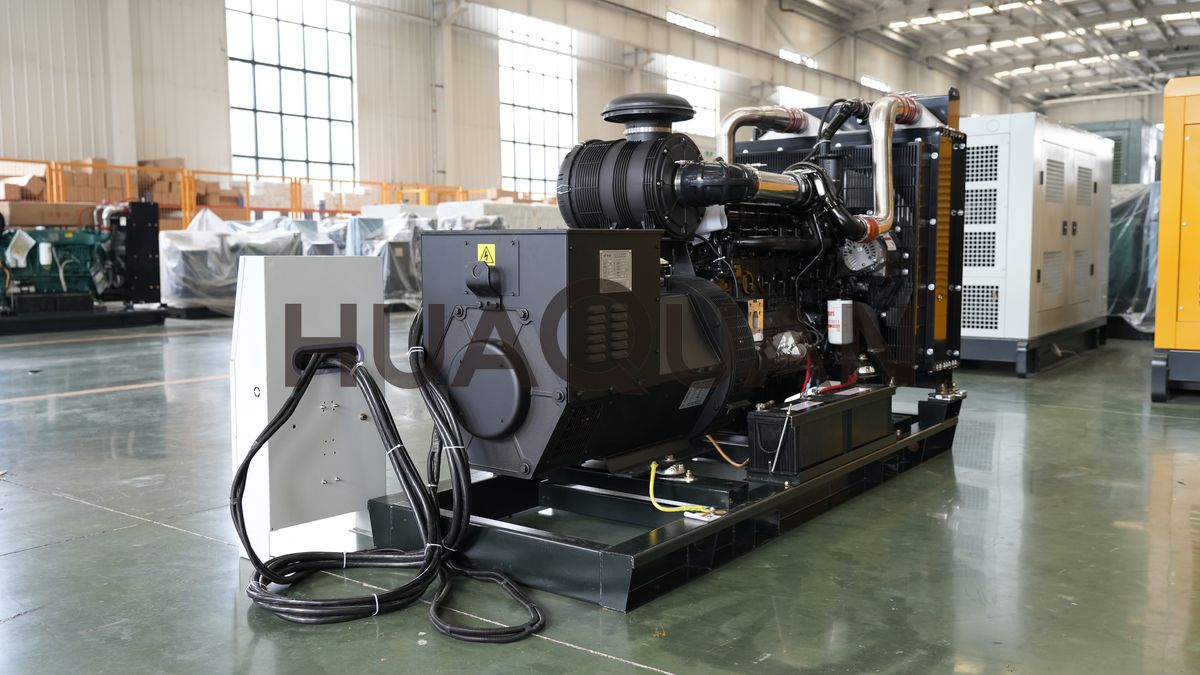
 Generators" width="1270" height="847" srcset="https://huaquanpower.net/wp-content/uploads/2026/02/33.png 1270w, https://huaquanpower.net/wp-content/uploads/2026/02/33-768x512.png 768w" sizes="auto, (max-width: 1270px) 100vw, 1270px" />
Imagine asking a marathon runner to run at the top of Mount Everest. That’s what you’re doing to a Diesel Generator at high altitude. The more you go upwards, the air becomes thin, ultimately making it impossible for the oxygen to work effectively. When the oxygen is not efficient enough for combustion, leading to a struggling machine.
Overheating, excessive fuel consumption and unexpected power loss at mountains turn a happy moment into a never ending nightmare. This guide covers how mechanical and operational modifications make your diesel generator safe, reliable, and efficient for high altitude environments.
Why High Altitude Affects Diesel Generators
The number one reason an engine does not efficiently perform at high altitude is low air density. A diesel engine pumps the air, compresses it, and injects fuel into an explosion. At a higher sea level, the air is not just dense. It is highly rich in oxygen as well.
As you go upwards, the atmospheric pressure drastically drops. It means that in every cubic meter of air intake for the diesel generator, the oxygen molecules become less. When your generator engine consumes this thin air.
There is never enough oxygen for proper fuel combustion. The unburned fuel is wasted, emitting exhaustion smoke rather than consuming it for energy. Also, thin air is a bad conductor of heat, ultimately making it impossible for the engine to cool down over time.
Power Derating At High Altitude
No backup generator delivers maximum capacity at 3000 meters, about the height of Mount St. Helens. Thus, the engineers apply a derating factor, a calculated reduction value according to the maximum load, to avoid any engine damage.
Generator manufacturers recommend a specific power percentage reduction for every cubic increase in altitude. Never try to ignore these calculated figures and push the generator to full load. If done so, it will overheat the generator windings, leading to seizing the pistons’ activity.
Standard Derating Estimates
| Altitude (Meters) | Altitude (Feet) | Approximate Power Loss |
| 1,000 m | 3,300 ft | 3% – 5% |
| 2,000 m | 6,600 ft | 13% – 17% |
| 3,000 m | 9,800 ft | 25% – 30% |
| 4,000 m | 13,100 ft | 40% – 50% |
Note: These are general estimates. Always consult your specific engine manufacturer’s data sheet for precise curves.
Fuel System Adjustments
As on the higher altitudes, the engine has no access to maximum air; you must switch to less fuel to maintain the right combustion ratio. When people do not adjust the fuel pump, the engine does not run effectively, emitting black smoke, carbon buildup all around the valves, and unnecessary diesel waste.
Always calibrate the fuel injection pump to reduce the delivery rate. There must be a balance of oxygen within the available air. Also, in thin air, the combustion process slows down due to lower pressure. Make sure to advance the fuel injection timing slightly. This helps the engine in complete fuel burning before the exhaustion valves open.
Turbocharger And Air Intake Optimization
Looking for effective, instant ways to combat thin air to enforce it inside the engine? Some diesel generators do not have air optimization, and they struggle at altitude. In comparison, turbocharged engines are a better option for air intake when the air is thinner.
Turbocharger Role
The turbocharger engine compresses the thin intake of air. Then, it artificially increases its density before pushing it towards the cylinders. For high altitude projects, the turbocharger generators are perfect as they are well aware of how to create a proper pressure boost. To compensate for the lower pressure and make the spins faster at higher altitude, it’s better to install a turbocharger trim.
Intake Maintenance
Keep an eye on the after-cooler regularly. For proper air intake maintenance, it cools down the compressed air, making it denser. But what if the intercooler fins are clogged with dust? The air remains hot, putting down the overall functioning of the turbocharger.
Air–Fuel Ratio Calibration
Modern diesel generators have an Electric Control Unit (ECU) to efficiently handle this air pressure automatically using smart sensors. However, if your generator has a mechanical engine, it must be manually tuned over time.
Your only goal is to achieve a stoichiometric, perfect balance of air and fuel to avoid improper calibration. Make sure to keep an eye on:
- Black Smoke: Engines emit black smoke when they are operating on enriched fuel in excessive quantities.
- White Smoke: Occurs due to unburned fuel in cold temperatures or incorrect timing.
- Blue Smoke: The smoke turns blue when the oil is leaking into the combustion chamber.
Cooling System Adjustments
At peak altitudes, the generators overheat faster, not because the air is hot. But it happens due to the thin air. When fewer oxygen and air molecules pass through the radiator fins, the heat dissipation process slows down.
Install a professional cooling system with 100% efficiency. Use high quality coolant mixtures with high boiling points for maximum cooling system efficiency. The water usually boils at high altitudes at lower temperatures. Install a massive radiator core or efficient cooling fans to force more air inside the system.
Lubrication System Considerations
In high altitude regions, the environment is usually combating freezing temperatures. The standard 15W-40 oil becomes viscous in a cold environment. It makes it quite impossible for the engine to lubricate properly during generator startup. In such scenarios, it’s better to switch to synthetic oils with lower viscosity levels like 5W-40.
Thin consistency oils easily flow and cold weather conditions while ensuring the engine works at its peak under the right temperature. Keep an eye on the oil levels frequently. Remember, if your engine is struggling with increased effort and stress due to weather conditions, it will always consume oil more than necessity.
Exhaust System Checks
The challenge at high altitudes becomes double when you have to maintain a proper exhaust back pressure. The lower atmospheric pressure makes it harder for the engine to push out the used gases. It creates a high back pressure that further reduces the system’s power.
Ensure the exhaust path is clear. Look for any sharp bends that increase flow resistance, repair dents, and clear the muffler of soot accumulation. An optimized, low-restriction exhaust is necessary to minimize the parasitic loss. With this technique, the turbocharger easily maintains the recommended pressure levels.
Electrical Load Management
Likewise the mechanical engine tuning, it’s necessary to manage the systems electrical load. Effectively manage how much power your system consumes for smooth operations.
- Avoid Overloading: Do not overload your space. If your 100kW generator is derated to 70kW, treat 70kW as your new 100%.
- Step Loading: Never push all your electrical loads in a single blink. The engine needs time to recover. It’s better to apply loads in many steps, like 25% increment, so the turbocharger can stabilize the RPM.
Testing And Monitoring After Adjustment
Have you checked everything and made changes accordingly? It’s time to test the generators’ performance. Try running your generator under control under load banks. Maintain the exhaustion stack so the smoke stays clear or has a very light haze. Check the coolant temperature gauge to see if it is stable or not. If the voltage or frequency fluctuates under heavy load, your system fuel settings are still not right.
Safety Precautions
When you are adjusting the diesel engine’s performance, it’s all about working under high pressure with moving parts.
- High Pressure: The fuel injection lines have higher pressure that can easily penetrate inside the skin. Never ever try to lose a fuel line while the engine is still running.
- Manufacturer Specs: Do not guess about fuel settings. Over fueling affects the engine speed. Make sure to follow the specific values mentioned in the service manual.
Conclusion
Running diesel generators at high altitudes is all about following physics laws. Keep an eye on how thin air can proactively turn down your systems’ efficiency. Adjust the fuel, cooling power and follow load management strategies effectively to prevent unexpected system failures. A derated and tuned Backup Power Generator has years of reliable service even on the highest peaks.
Do not let the thin air compromise your productivity and power supply. Get customized, high altitude ready generators with premium performance. Contact HuaQuan Power for a high-altitude power generator solution now.
⚡ Explore Related Solutions
- 🏭 500kW Diesel Generator
- 🏭 1000kW Diesel Generator
- 🏭 500kW YC Diesel Generator
- 🏥 Diesel Water Pump
- 📋 Diesel Generator Sets
- 📋 Order Process — How to Buy
- 📋 Contact Us
💡 Need a customized solution? Contact our engineering team for project-specific recommendations.