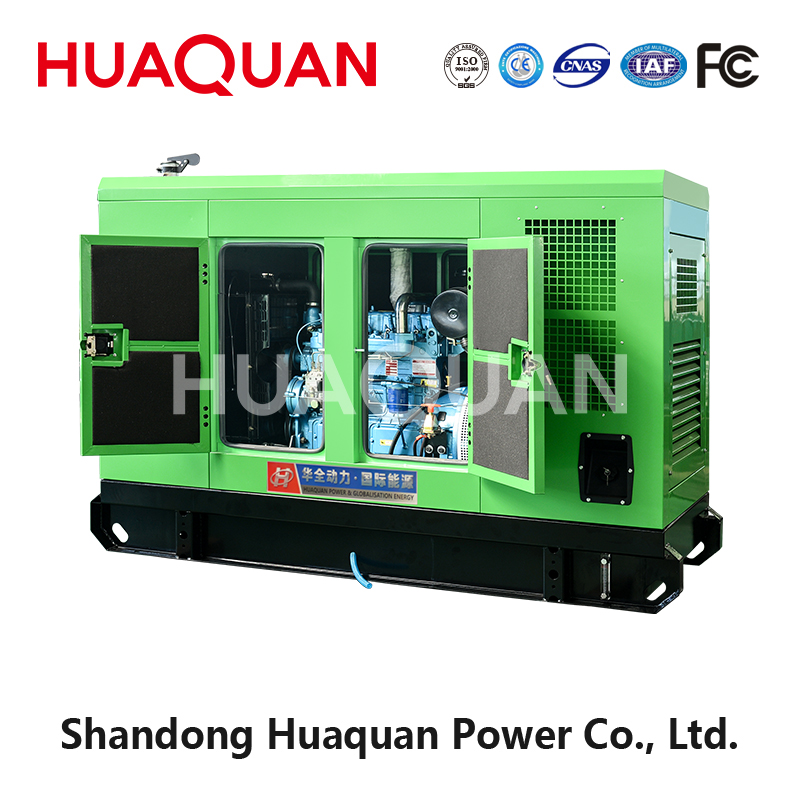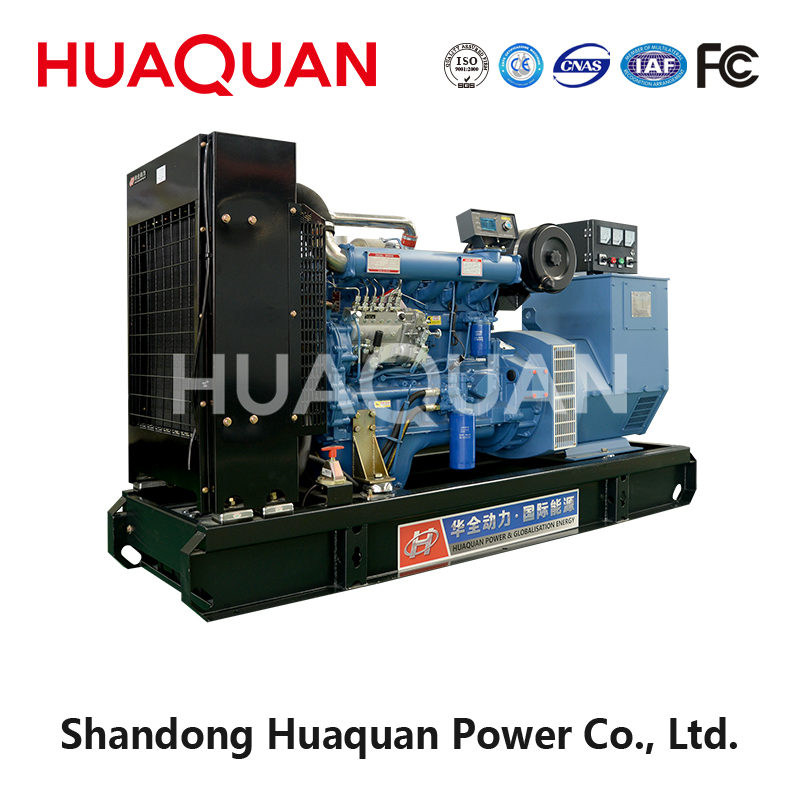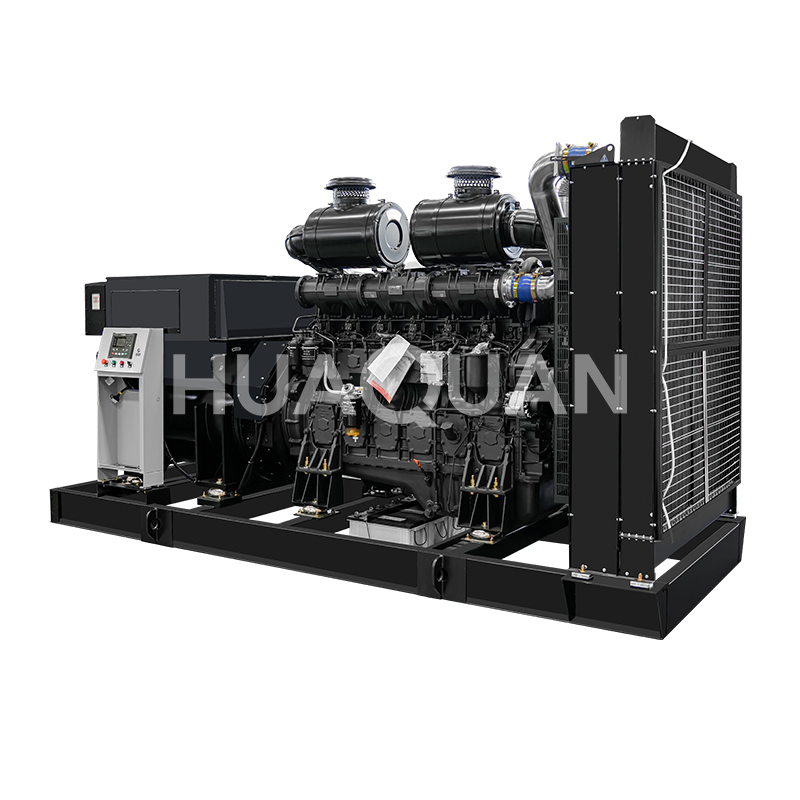
Choose the right generator size for efficient, reliable power. Too small and it may overload; too large and it wastes fuel and increases costs. So, you must calculate requirements carefully to select the right generator.
Why is the Size of the Generator Important?
The size of the generator affects the performance, safety, and efficiency of the system directly. For example, if your generator is small, it will not be able to support all the connected equipment simultaneously. Over time, these problems can be problematic for both your electrical devices and Generators, and damage them.
On the other hand, a large-sized generator will increase fuel consumption as well as the initial purchase costs. In addition, large generators are typically inefficient when the loads are low. This results in unnecessary wear and tear and poor fuel efficiency. So, a generator of the proper size is important to keep the costs low and ensure reliable operation, too.
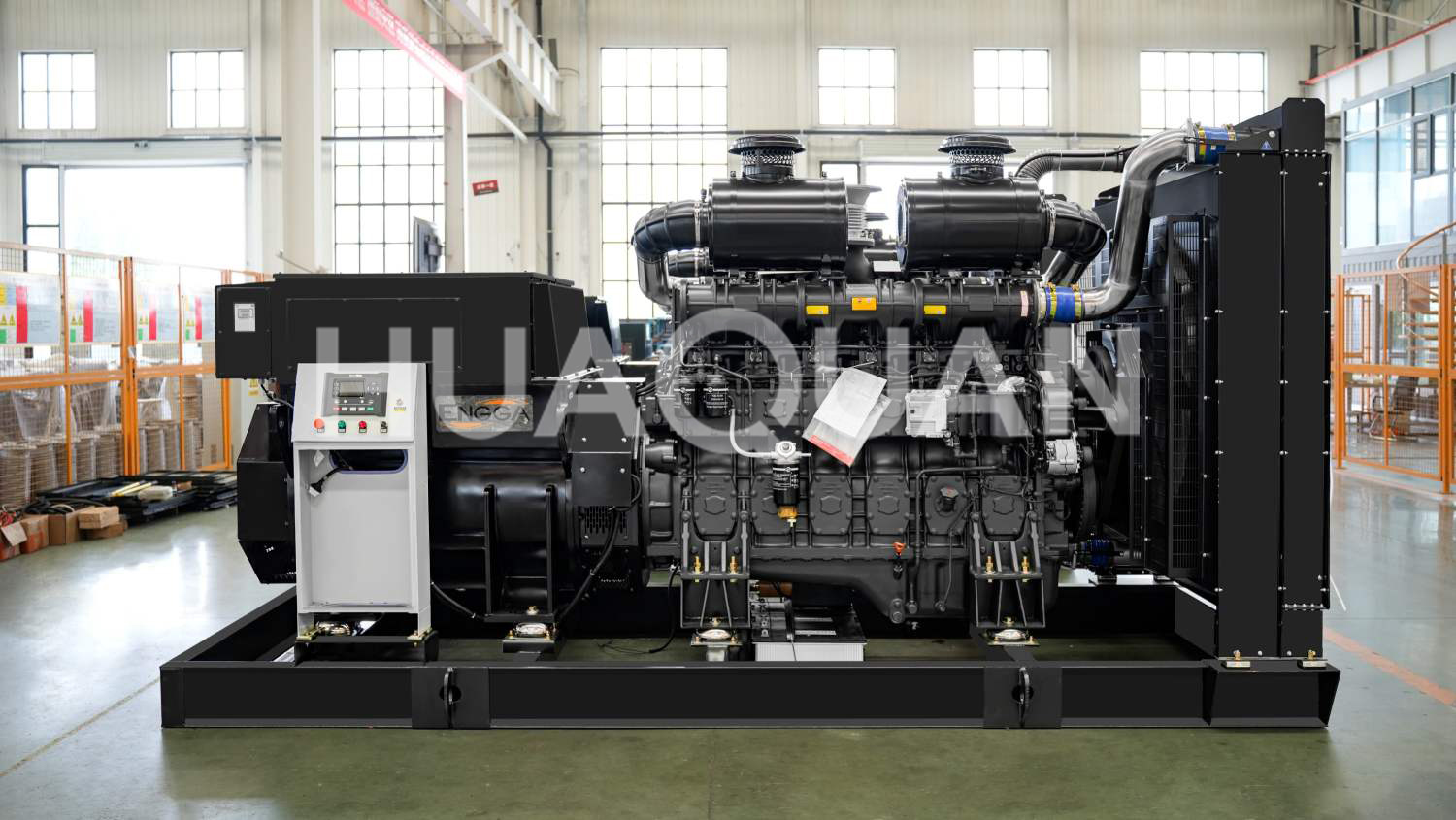
Understand the Basic Power Units
Prior to computing generator size, you have to understand how electrical power is measured. Most electrical devices specify their power rating in watts or kilowatts. One kilowatt is equal to 1000 watts.
Also, know that generators are typically rated in kilowatts (kw) or kilovolt-amperes (kVA). This rating indicates the maximum output the generator is capable of. If you want to figure out how to choose the right generator, you first have to calculate the total demand of the electrical system.
Identify All The Electrical Loads
To find a generator of the proper size, you must identify each and every load that will be powered by the generator. These include light systems, office equipment, motors, pumps, HVAC units, and any other special machinery.
Every device comes with a certain rated power value. You can search for this on the equipment nameplate or in the manufacturer’s documentation. Remember, it is essential to create a complete and accurate list of all the electrical loads. If you miss even one load, you will end up with an undersized generator.
Identify Electrical Loads That Run Simultaneously
Not all equipment works at the same time. Some devices run all the time while others may function only under specific conditions. Therefore, you must determine which load will operate simultaneously when the generator is in use.
For instance, emergency lights, security systems, and critical machinery may need to run continuously. You may not even use other equipment, or use them occasionally when the generator is running. Therefore, make sure you understand the load priority to calculate power requirements realistically.
Calculate The Total Running Power
Running power is nothing but the power required to operate the equipment continuously under normal conditions. When you’re determining the running power, add the rated power values of all the equipment working at the same time.
For example, if the lighting needs 5 kW and the machinery needs 15 kW, then the total running power is 20 kW. Your generator must be able to support this continuous minimum output at the very least.
Consider The Starting and Surge Power Requirements
Most electrical appliances consume more electricity when they start compared to normal operation. For instance, motors, compressors, pumps, and air conditioning units usually require much more current when they start.
This temporary surge in power at the start is termed surge power. Sometimes, the starting power is up to two to three times more than that of running power. If your generator is incapable of handling that sudden surge, it will stall or shut down when it starts.
So, to avoid this issue, you must identify equipment with high starting power and include this requirement when you’re calculating the size of the generator.
Consider The Load Starting Sequence
Some systems start equipment one after the other, not altogether. Doing so can reduce total surge demand. Therefore, you must grasp the starting sequence to calculate the generator size effectively.
If large motors start individually, the generator won’t have to endure multiple surges at a time. However, if multiple devices with high loads start together, the generator should cater to a higher peak demand.
Add a Factor of Safety
You must add a safety margin after determining the running and starting power. This makes it easier for the generator to handle load fluctuations due to environmental conditions and calculation errors.
Typically, most people add an extra 10-20% of capacity. This extra margin enables future expansion, and you can add more devices or boost the operational capacity.
Single-Phase and Three-Phase Power Considerations
The type of electrical system you use will also impact the size of the generator. For instance, smaller facilities and residences will often use single-phase systems as they support lighting and smaller equipment.
On the other hand, commercial industries use three-phase systems extensively in operations. They usually house large machines that require immense power. Three-phase generators must be able to provide power in a controlled manner across all the phases. Therefore, you should know if your system is a single-phase or a three-phase one so that you can select the correct generator.
Conditions of Operation and Environment
generator performance can be influenced by environmental factors. When generators are exposed to high temperatures, high altitudes, and insufficient ventilation, their output may be compromised. In these circumstances, you may need extra capacity to ensure it runs smoothly.
In addition, you have to think about how your generator will perform. You will need a conservative size if the generators are supposed to operate continuously to ensure durability and longevity.
Common Mistakes To Avoid When Determining Generator Size
If you don’t plan properly, you can make mistakes when choosing the size. Many people often don’t consider the starting power requirements. Another issue is underestimating total electrical loads or relying on nameplate values alone.
Remember, don’t choose generators according to the price alone. You might choose a cheap generator now, but you will have to pay a higher price later due to lagging performance and increased costs.
Verify Calculations with a Professional
While you can do some basic calculations to determine the size of a generator, it’s best to rely on a professional to review the system design for a complicated system. They will typically consider factors you may have previously overlooked.
If you run commercial manufacturing units, medical establishments, or critical infrastructure that requires an uninterrupted power supply, expert assessment is key.
Conclusion
You need to consider such things as electrical loads, running power, starting power, and operating conditions to determine the size of a generator. When you carefully make a list of your equipment, add a surge requirement and a margin, you will be able to select a generator most suitable for you.
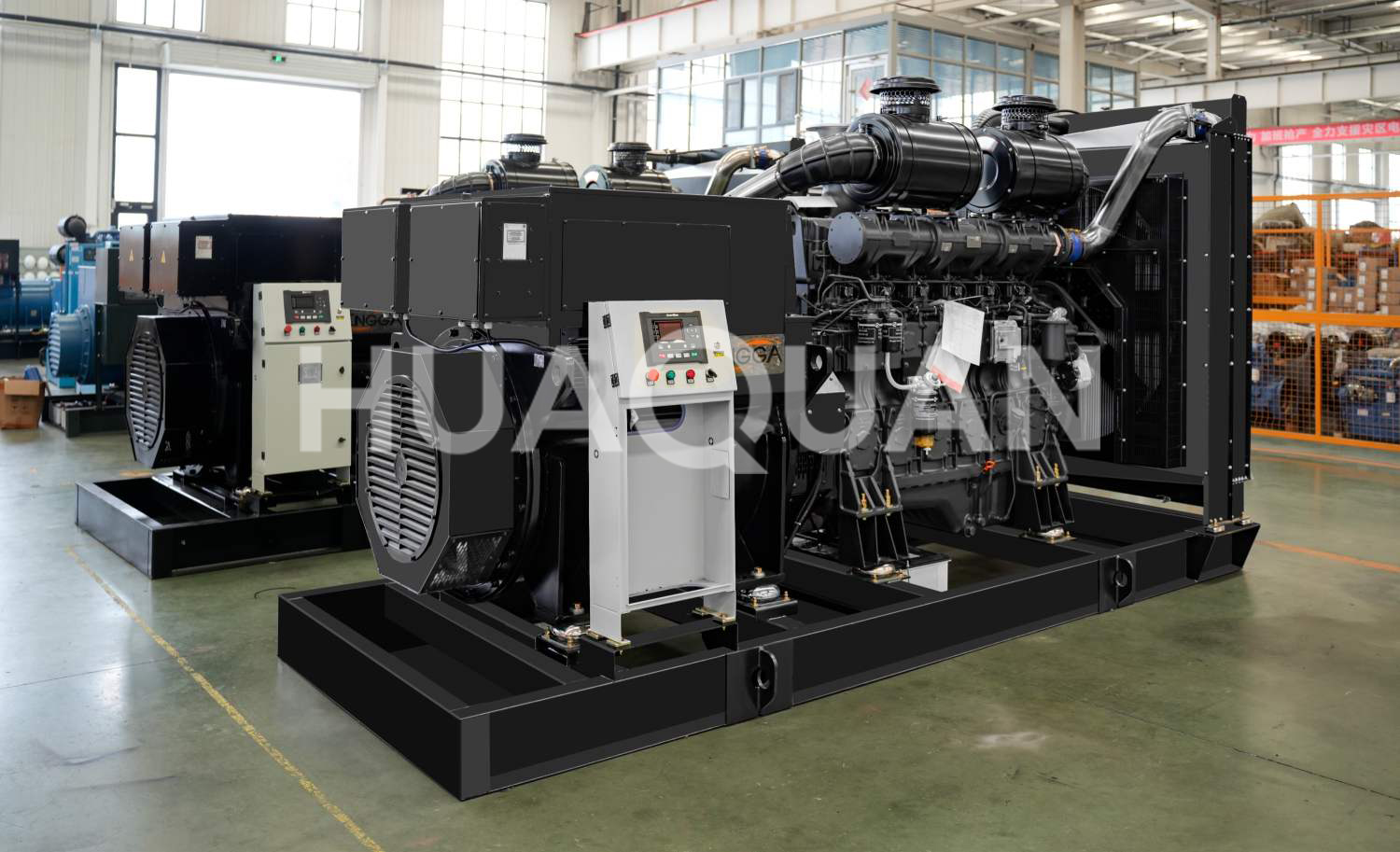
Are you looking for generators? Huaquan Power offers high-quality generator systems for commercial and industrial applications. From various power capacities to electrical configurations, you have a lot of options to choose from to ensure a stable and efficient power supply across various operating environments.
⚡ Explore Related Solutions
- 🏭 500kW Diesel Generator
- 🏭 1000kW Diesel Generator
- 🏭 500kW YC Diesel Generator
- 🔧 KMS (Cummins/Doosan) Series
- 🏥 Data Center Generator Solutions
- 🏥 Portable Generator
💡 Need a customized solution? Contact our engineering team for project-specific recommendations.