Biogas is a type of fuel that is created from organic waste. Things like leftover from food, animal manure, and crop waste are used to produce biogas. For farms, industrial plants, and waste-treatment facilities, biogas provides a reliable way to convert waste into usable energy instead of letting it go unused. Using it not only lowers the overall energy costs for individuals using it out there but also helps them improve resource utilisation.
Today, in this article, we will explain the basic steps of how you convert biogas to electricity. We will also cover how a biogas generator plays a key role in converting it into useful energy.
What Is Biogas and How Is It Produced?
This is one of the sustainable energy sources out there, due to which it is preferred by most of the people. It is used to provide heating and generate electricity. As it is made only with waste materials, it’s not harmful and does not produce any harmful emissions.
The process of creating biogas involves breaking down organic waste in a place where there is no oxygen. Along with biogas, the process also creates a nutrient-rich leftover known as digestate that helps plants grow. Once produce they are used in multiple areas, for example, they can be burned to generate heat for water, buildings, and industrial processes.
How a Biogas Generator Supports Energy Conversion
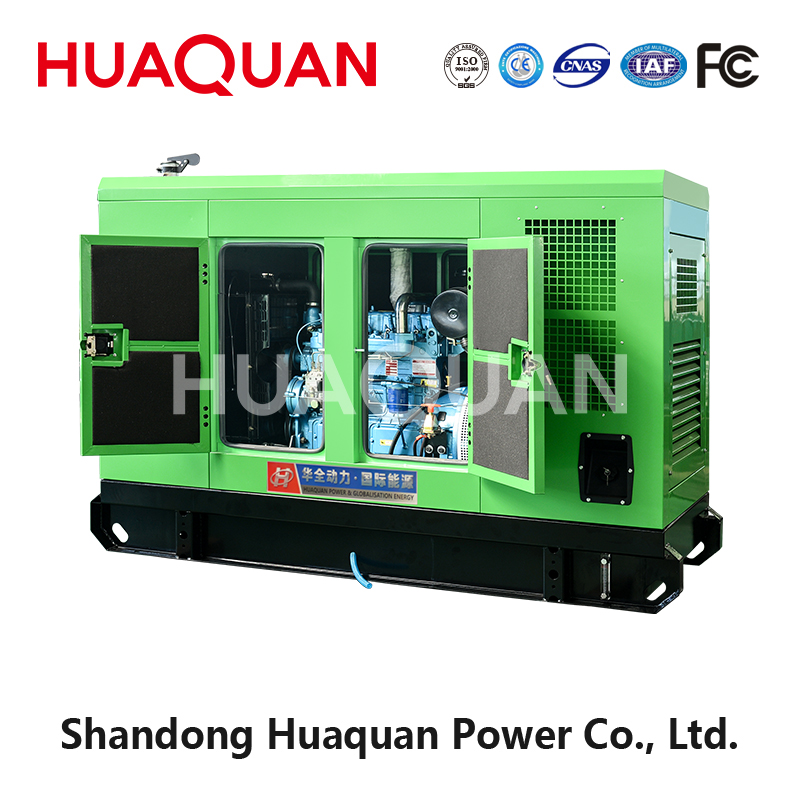
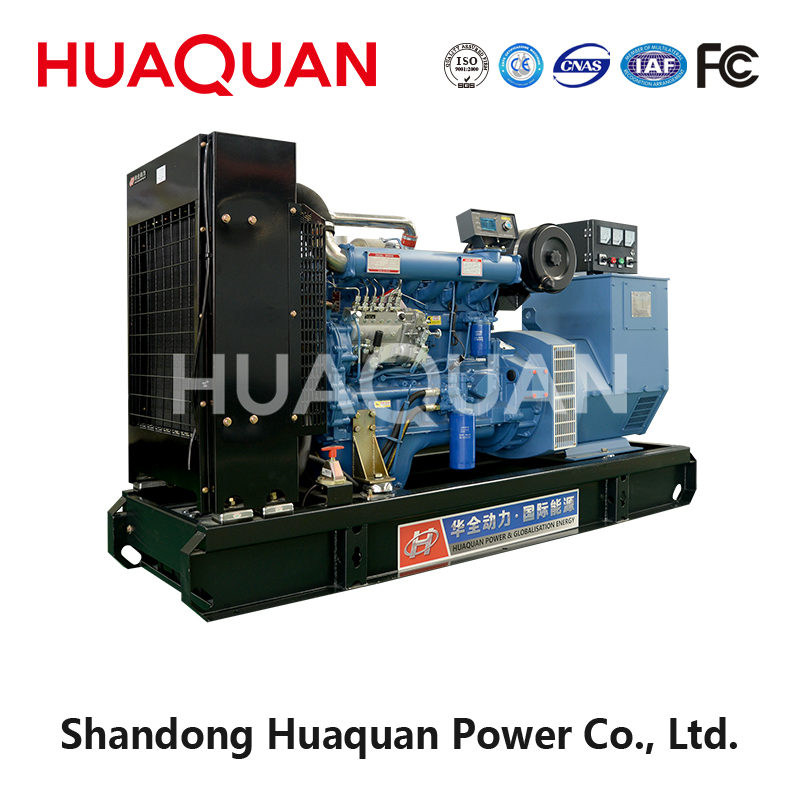
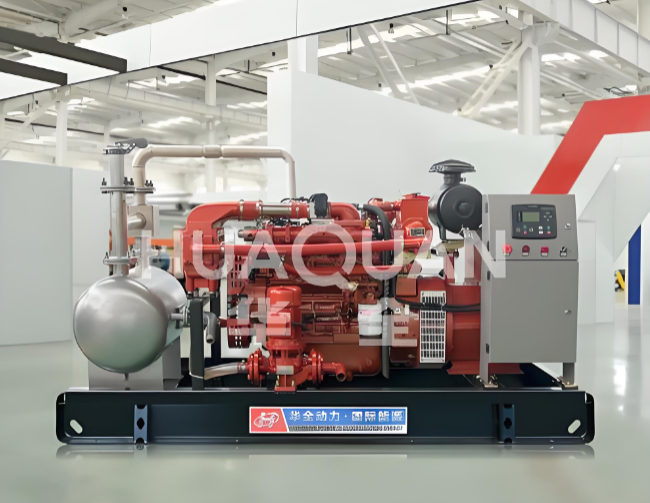
A biogas generator makes energy from organic waste in a simple and efficient way. Biogas Generators from Huaquan Power are built to efficiently convert biogas into useful energy. Biogas can also be employed to power these generators, which include smart control technology to automatically stabilize air-fuel mix ratios. This enhances efficiency in maintaining a stable power output and ensures minimal interruption possibilities in between.
The biogas generators often support different levels of methane as they are designed in such a way. Therefore, if you have a biogas generator, you will be able to increase the level of energy output, as well as enjoy improved efficiency.
How Biogas Can Be Converted Into Heat
These generators transform organic waste into a practical source of power. The simple process includes burning the gas, and this will release the heat, which can then be employed in various ways. Use a biogas generator to ensure that this process works in a safe and effective manner.
This heat generated from biogas is utilized in a variety of ways, such as:
- Can be used for water heating in homes, agricultural sectors, or industry
- Space heating is done in a building or greenhouse
- This heat is used for cooking, drying, or any other production process that needs heat
Burn the gas well by ensuring there is good control of gas flow.
How Biogas Is Converted Into Electricity
A biogas generator makes energy from organic waste in a simple and efficient way. The procedure does not require much complexity and comprises a few simple steps:
Clean the biogas – Biogas is cleaned in order to eliminate any kind of impurities in the gas, which will ensure the smooth functioning of the generator.
Feeding the gas to the generator – the cleaned one is supplied to the biogas generator engine.
Produce electricity – After burning the biogas and converting it, it produces electric power.
How to Convert Biogas into Heat and Electricity
Below are the steps involved in the process of how to convert biogas to electricity and heat.
Step 1: Cleaning the Biogas
Raw biogas may consist of harmful elements, for example, water, sulfur, or other impurities that can harm the generator. Therefore, before using the gas, it is crucial to ensure that all impurities that can cause harm are removed from the biogas. This assists in maintaining the engine parts, thus protecting them for future usage.
Step 2: Supplying Biogas to the Generator
After cleaning the biogas and removing harmful materials, the biogas is supplied to the biogas generator via pipes. Then, biogas and air mix inside the engine. Afterwards, the mixture is burned to create energy.
Step 3: Generate Electricity
The energy created after burning the biogas is then used to move the engine. After moving the engine, it is turned into electric power.
Step 4: Use the Heat
When electricity is generated, it also generates heat. This is then carefully collected and used for multiple heating processes. They are used in areas such as home appliances and in agriculture field. Using biogas this way not only improves its use but increase the overall efficiency.
Simple Maintenance Tips for Biogas Generators
Regularly check fuel quality and pressure
Make sure the biogas supplied to the generator is clean and does not contain any harmful elements. Good fuel quality helps the generator run with no interruption while preventing engine problems.
Clean filters and remove impurities
With time, filters can get dusty and have other impurities. Therefore, clean and maintain them regularly. This helps you keep the engine running smoothly for a long time.
Protect Engine Health and Efficiency
You should regularly monitor and replace the engine oil according to the recommended service schedule. This will help you prevent the generator from overheating and reduce the stress on other engine parts. Regular maintenance helps the generator run without problems and produce consistent electricity and heat.
Conclusion
So far, we have learned how we can convert the organic waste into useful energy with a biogas generator. The converted electricity and heat are then used for different purposes. Like they are used in home appliances, they are also used in farms and industrial facilities as well. The process not only reduces the waste but lower energy costs and support a more cleaner energy.
If you are considering a biogas generator for your project, exploring Huaquan Power’s biogas generator solutions can be a good step toward efficient and sustainable energy production.

⚡ Explore Related Solutions
- 🏭 500kW Diesel Generator
- 🏭 1000kW Diesel Generator
- 🏭 500kW YC Diesel Generator
- 🔧 Gas Generator Sets
- 🔧 KMS (Cummins/Doosan) Series
- 📋 Diesel Generator Sets
- 📋 Order Process — How to Buy
- 📋 Contact Us
💡 Need a customized solution? Contact our engineering team for project-specific recommendations.