

Power Plant Generators China Manufacturer
HUAQUAN power plant generator has the advantages of high conversion efficiency and stable output voltage. It is the core equipment for converting mechanical energy into electrical energy.
Our power plant generators can be used in thermal power plants. Among them, coal-fired power plants are our primary customer group. And hydropower plants, nuclear power plants are the same.
HUAQUAN power plant generators are commonly used in thermal power (coal-fired power plants), hydropower, nuclear power plants, etc. When installing and laying out power plant generators, the cost for factory expansion or renovation is relatively low. The existing power plant’s supporting power grid and other facilities are mature, and during expansion or renovation, the original system architecture can be directly adopted without the need to redesign the entire power generation process.
Power Plant Generators Model Selection
When selecting the power plant generators’ power range, various factors as fuel characteristics, grid structure, and investment return rate must be taken into consideration comprehensively.

This power plant generator is designed for small and medium-sized coal-fired power generation facilities and is suitable for regional power supply in developing countries. It is particularly suitable for scenarios such as coal mining areas and industrial parks.
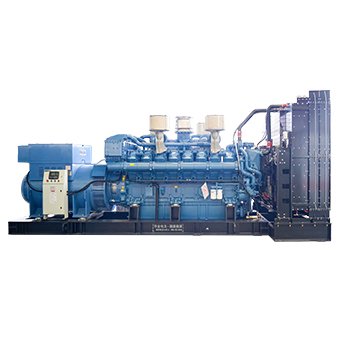
This power plant generator is one of the main power generation sets in the current power system. It combines both scale benefits and operational flexibility, and is suitable for supporting regional power grids and providing comprehensive energy services for industrial parks.

This power plant generator is the main set of the modern power system, featuring both scale and advanced technology. It is particularly suitable as a regional base-load power source.

This power plant generator serves as the core power source for supporting the base load of large-scale power grids and acts as the stabilizing element of the power system.
Customized Services for Power Plant Generators
HUAQUAN can provide targeted solutions based on the specific needs of power plants, such as fuel characteristics, grid requirements, and environmental conditions.
Provide customization based on power plant types, such as thermal power, hydropower, nuclear power, etc.
Customized services available according to specific requirements, such as high-altitude type, cold-weather regions, coastal areas, etc.
In addition, our products come with intelligent monitoring modules, automatic start-stop protection modules, shock absorption configurations, and silent configurations etc. All of them have undergone strict quality inspections before leaving the factory to ensure high quality.
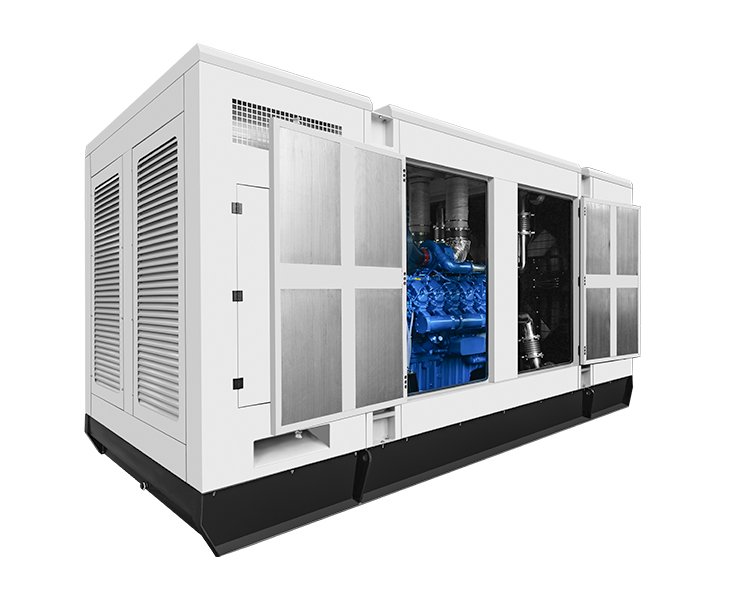
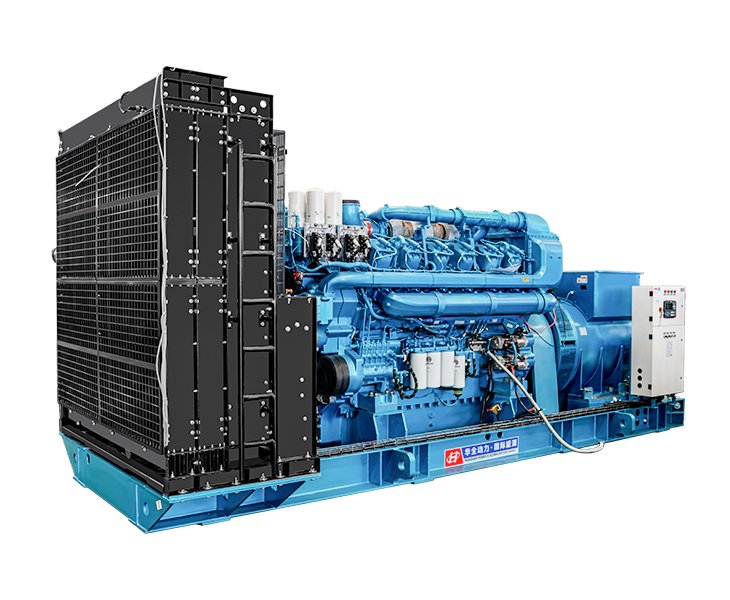
Core Advantages for Power Plant Generators
High power generation stability: It can continuously and stably output electricity, especially during peak electricity consumption periods, and it can quickly increase the power generation capacity to ensure the stability of the power grid.
Technologically mature and reliable: After long-term development, the technical system has been perfected, there is rich experience in equipment maintenance, and the construction and operation risks are relatively low.
Flexible site selection: The site can be chosen based on fuel supply and electricity demand. Being located close to the load center can reduce transmission losses.
Adapt to base load demand: Capable of bearing the basic load of the power system, able to meet the daily stable power supply requirements, and form complementarity with other types of power plants.
Fuel cost: The price of coal fluctuates greatly, which has a significant impact on the power generation cost of power plant generators.
Equipment maintenance cost: The daily maintenance of power plant generators, including equipment insurance, consumables expenses, and replacement parts costs, directly affect the power generation cost.
Pollution control cost: The emission control of pollution such as waste gas and wastewater has led to an increase in the environmental protection coasts for power plant generators.
It is necessary to clearly define the maintenance items and prepare the necessary plants for maintenance materials and spare parts.
It is necessary to reasonably arrange the maintenance schedule and draw a site layout management chart for generator maintenance to ensure that the maintenance work proceeds in an orderly manner.
It is necessary to compile or revise the generator maintenance document package, formulate the quality supervision plan, and inspect the maintenance tools.
Due to the long-term operation of power plant generators, the seals age, are damaged, or the components’ joints loosen due to vibration, resulting in a decline in sealing performance and prone to water leakage. Leaking can be detected through the airtight test method. By filling with nitrogen or compressed air, the leakage points can be identified, and the damaged components should be replaced in time.
Due to poor water quality in the internal cooling system, accumulation of oxides causing blockages, or the foreign objects during motor installation and major overhauls, blockage are prone to occur. This can be effectively prevented by strictly controlling the assembly and maintenance processes of the alternator and implementing corresponding inspection procedures.
A power plant generator is a device that is used in the process of changing mechanical energy to electrical energy on a large scale. Uses different sources of energy to create motion, such as steam, water, gas, or wind power plants. This motion is used to turn a turbine, which is directly connected to the generator.
When the turbine is turned, it rotates the rotor of the generator, which is inside the stator. The movement creates a magnetic field, which creates an electrical current in the stator windings. This electricity is then sent through transformers and power lines to homes, businesses and industries.
For thermal power plants, the fuel is used to generate heat from the fuel. This heat causes the water to become steam, and this pushes the turbine. In hydro power plants, the running water is used to turn the turbine’s blades. Also, gas and nuclear plants use turbines, but the source of energy is different.
Control systems monitor speed, voltage and frequency to allow a stable electricity output. Cooling systems are used to take away excess heat in order to prevent damage to generator components. Protection systems shut down the generator in case there are unsafe conditions.
Different kinds of generators are used in power plants depending on the source of the energy and the design of the power plant. The most common one is the synchronous generator. It is used widely in thermal, hydro, nuclear and gas power plants as they provide stable voltage and frequency.
Hydro power plants are equipped with generators, which are meant to operate with turbines driven by water. These generators are made to work at lower speeds and are designed to deal with high torque. Thermal and nuclear power plants use steam turbine generators, which make use of high speed and high power output.
A gas power plant has generators attached to the gas turbines. These systems are quick-starting and are typically used to support peak power demand. Combined cycle power plants contain gas as well as steam turbines with generators for efficiency.
Wind power plants incorporate generators with variable speed ratings. These generators are compatible with wind turbines, and they convert energy from the wind to electricity.
Each type of generating system is constructed to meet the conditions of the generating power plant. Considerations during selection include speed, power output, cooling and efficiency. Choosing the right type of generator is helpful to ensure electricity generation in a reliable way as well as for the long term.
Generator capacity in a power plant is calculated by the amount of electricity which needs to be generated by the power plant. This is dependent on: demand requirements, fuel availability and grid connection capacity. Engineers design the maximum load that the generator has to deal with during the highest operation.
The capacity is generally measured in megawatts. Power plants may use one large generator, or they may have several generators working in concert with each other. Redundancy is typically included in order to maintain the supply in the event of maintenance or unforeseen issues.
Environmental conditions like temperature and altitude affect the output of the generators. So is cooling efficiency in the selection of capacity. Fuel type and the turbine size should be in accordance with the rating of the generator so that it can function efficiently.
Future expansion plans are also considered. Power plants are often built to meet a growing electricity demand. Selecting an appropriate capacity to prevent overload and improve generator life.
Accurate capacity planning results in a stable power supply and efficient use of resources. It helps in maintaining the grid stability and reducing operational risks. Proper sizing is important to safe and reliable power plant operation.
Cooling systems are important to power station generators, as they drain away the heat generated in the production of electricity. Large generators produce large amounts of heat as a result of electrical and mechanical losses. Without proper cooling, components can become overheated and fail.
Common cooling systems are air cooling, water cooling, and hydrogen cooling. Smaller generators are air cooled. Water cooling is better for large generators, and heat is eliminated more effectively. Hydrogen cooling is employed in high capacity generators as it lowers the friction and boosts the efficiency.
Cooling systems are implemented to ensure that the operating temperature of the system does not exceed, and to preserve the insulation materials. At the same time, they increase the performance and reliability of generators. Temperature sensors measure the conditions and provide an alarm if the cooling performance is lower.
Regular maintenance of the cooling system ensures that there is proper circulation of air or water. Clean cooling components help to avoid overheating and extend equipment life.
Power plant generators must be maintained periodically to ensure their safe and efficient operation. Mechanical and electrical inspection is a part of maintenance. Bearings, windings and insulation are inspected for wear or damage.
Lubrication systems must be monitored to reduce friction and overheating of the system. Cooling systems are checked for leaks, blockages and correct flow. Electrical tests are made to discover the weakness of the insulation and the faults of the winding.
Vibration monitoring is useful to help identify mechanical problems at an early stage. Control systems and protection devices are tested to ensure that they respond properly under abnormal conditions. Cleaning is also important to remove dust and contaminants.
Scheduled maintenance helps to reduce the risk of unexpected failures and to prolong the life of the generators. In the case of power plants, reliable generators are important for the uninterrupted supply of electricity.

