Máy phát điện are essential tools that act as a backup supply and provide energy to various industries during power outages. Tuy nhiên, their efficiency, tiêu thụ nhiên liệu, and long-term performance depend on a generator load factor.
Hôm nay, we will go through the crucial factors and understand how a load factor matter a lot in this case. Let’s know!
What is a Generator Load Factor?
Generator Load Factor is a percentage of usage of a generator compared to its maximum operating capacity. It gives an idea of average load usage over a period of time. Ví dụ, how much you have used your generator in the past month, with an average load of maximum operating capacity.
Does it feel confusing? Let’s understand it with examples.
The formula to calculate the load factor is here.
Hệ số tải (%) = Average Load ÷ Rated Công suất máy phát điện × 100
We will apply this formula to calculate. Suppose the average load in the past month was 300kW while the maximum capacity of the generator is 500kW.
Now use the formula to calculate the load factor.
Load Factor = 300÷500×100=60%
It means you have put an average operating load of 60% of the total capacity of your generator.
Don’t mix the generator load factor with its load percentage. Both are related but different quantities. Ví dụ, the percentage tells us the load only at a specific moment of time, while the load factor gives an overview of a period of time.
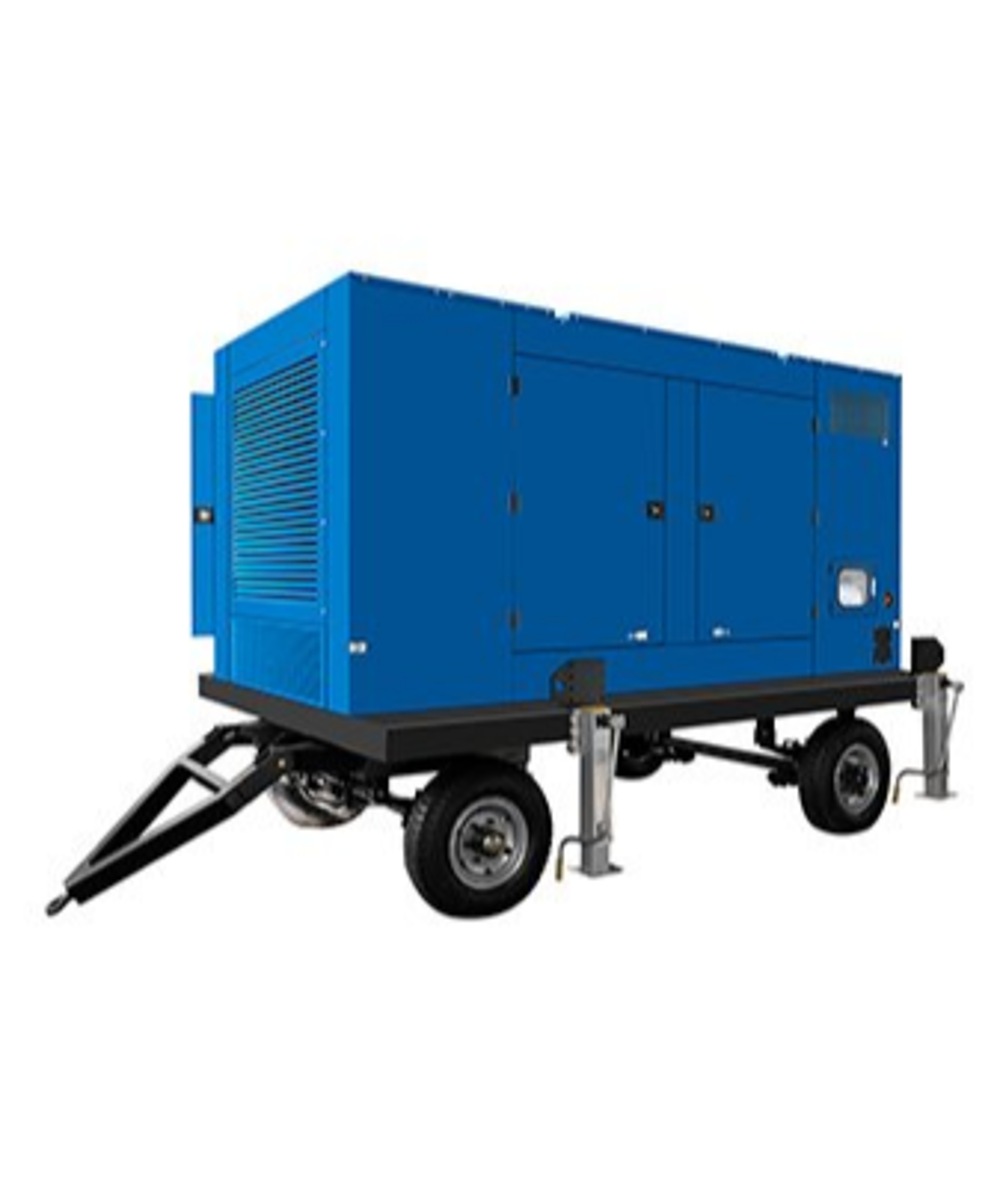
Understanding Generator Load Factors and Capacities
Generator Load factors are crucial to understand. They are significant because of:
- Improve fuel efficiency
- Reduce fuel costs
- Minimize engine wear
- Extend generator lifespan
- Lower emissions
- Enhance reliability
- Reduce maintenance expenses
Tuy nhiên, before you dive into the factor categories, it is essential to know the different types of generators and their rated capacities.
- Small generators have 5-20kW rated capacities.
- Large commercial generators have 50-500kW capacity.
- Industrial generators have 500-3000kW capacity.
Tại Trang chủ or in industrial sectors, there are a variety of devices that draw power from the generators.
- Hệ thống chiếu sáng
- Máy điều hòa không khí
- Máy bơm
- Máy móc công nghiệp
- Data center servers
- Medical equipment
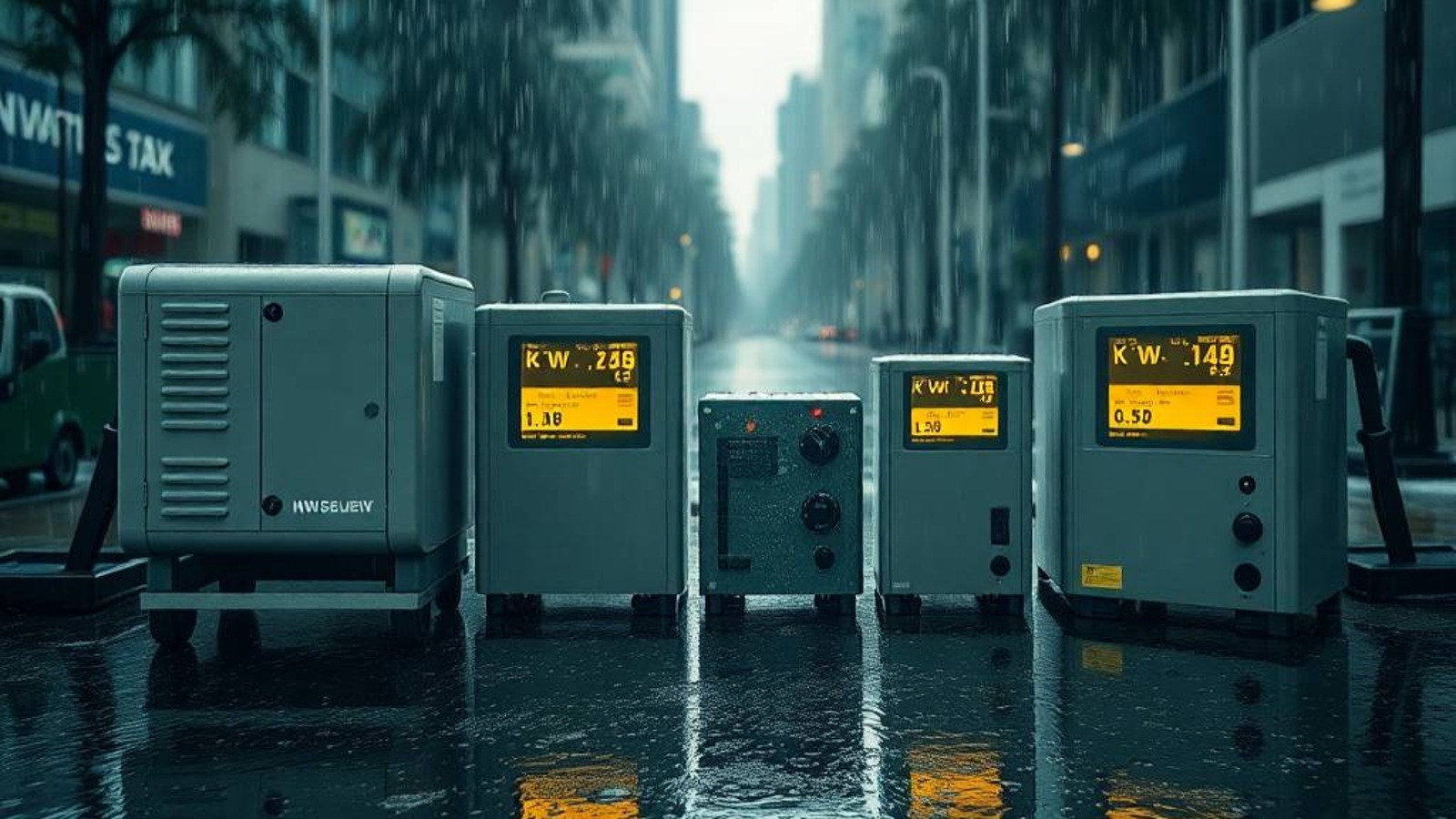
Generator Load Factor Categories
There are four categories of the generator load factor based on the consumption and power load. Let’s dive into each category and understand how it impacts the overall generator load.
Low Load Factor (Dưới 30%)
Load factors with a usage of less than 30% of the operating load compared to the maximum rated capacity are categorized under the low load factor.
Ví dụ, the maximum rating capacity is 100kW while the consumption is less than 30kW. It is less than 30% and rated as a low load factor.
Không may, operating at the low load can cause issues, chẳng hạn như:
- Hiệu suất nhiên liệu kém
- tích tụ cacbon
- Xếp chồng ướt
- Đốt cháy không hoàn toàn
- Increased maintenance requirements
Vì thế, you shouldn’t continuously operate your generators at low load to avoid several operational issues.
Medium Load Factor (30-70%)
When you use the generators at a load of 30-70% of the rated maximum capacity, it is considered suitable for several generators. It doesn’t cause operational issues and has the following benefits.
- Your generator provides a stable performance over a period of time.
- Reduced maintenance is required as you are operating at a stable load.
- Fuel consumption and economy are good for your business.
Optimal Load Factor (70-85%)
Optimal Load factor is considered the best range for generator operation. Most generators achieve their maximum efficiency when they are operated at the optimal load factor.
The key benefits and reasons include:
- Efficiency is pretty high, with affordable fuel consumption compared to efficiency.
- Engine performance is pretty high.
- Operational costs decrease exponentially.
High Load Factor (Bên trên 85%)
Whether it is low load or high load, they are not the ideal range for the generators. A high-load generator comes with several issues, chẳng hạn như:
- Increased engine stress
- Higher cooling demands
- Faster component wear
- Reduced equipment lifespan
Vì thế, whenever you are considering the high load factor, always consider it for a short period to avoid stress on your engines and decrease the operational costs. Prolonged usage increases fuel consumption and puts more stress on the generators.
Impact of Generator Load Factor on Efficiency
Targeting higher fuel efficiency is the main goal of many businesses or industrial sectors. Tuy nhiên, it is not easy until you know and optimize your load.
Let’s evaluate the impact of generator load factor on different efficiency options.
Hiệu quả cao
In high efficiency, the fuel consumption is less compared to the energy production at the same levels. Thường xuyên, a generator has a higher efficiency when you run it at a load factor of 70-85%.
Use Case:
Suppose you have installed a 100kW generator while your appliances use 75kW power ratings. At this range, you could expect higher efficiency.
Medium Efficiency
Medium efficiency is the moderate fuel consumption compared to energy production. It is often in the 30-75% range.
Use Case:
For a 100kW generator, you are using 50kW power devices. You can expect a medium efficiency in such cases.
Low Efficiency
Low operating loads cause low efficiency. Tuy nhiên, a load factor of less than 30% offers more challenges to the generator and lower efficiency.
Use Case:
For a 100kW generator, when you use 25kW, it offers lower energy generation efficiency compared to the other loads.
Good Efficiency but Stressful
Moving to higher loads of more than 85% công suất định mức, the generator feels stressful but still offers good performance in such cases.
Use Case:
For a 100kW generator, if you use more than 85kW through your power devices, it generates good efficiency but is stressful for the generator system.
Impact of Generator Load Factor on Lifespan
Generator Load factor is crucial and can influence the lifespan of the generator in many ways. Here are three aspects of the generator load factor on the lifespan.
Effect of Underload
Underloading is more impactful on the generator lifespan. It affects the generator performance and causes the following issues.
- Carbon buildup in the engine
- Xếp chồng ướt
- Cylinder glazing
- Incomplete combustion of the fuel
The result of such effects is faster deterioration of the generators, lower performance, and decreased lifespan due to an inefficient standard of the generator load factor.
Effect of Overloading
As underloading impacts and decreases the lifespan, so does overloading but in a unique way.
Exceeding the rated capacities can cause:
- Engine overheating due to higher load conditions and stress.
- Increased wear on moving parts due to extensive load pressure.
- Cooling system efficiency decreases due to continuous heat production and higher loads.
- Premature component failure is typical of such overloading.
Overloading causes component failure and early wear out of the generators.
Proper load of the generators
If you are planning to operate the generators at the proper load ranges, it is ideal conditions. Ví dụ, the generator maximum rating is 25kW while your load is 15- 20 kW; it is suitable and offers higher efficiency.
The impacts of the power loads are the following.
- Fuel efficiency is higher with reduced engine stress.
- There are no overheating or degradation cases.
- You don’t need regular maintenance.
- Extended service life offers better long-term effects for your generators.
With high lifespan and reduced maintenance, you can observe better results throughout the operational period.
How to Improve Generator Load Factor
Improving generator load factor is an excellent idea. It can improve the overall efficiency and reduce fuel costs. Let’s evaluate the key tips to improve generator load.
Conduct a Load Analysis
Before you purchase a generator, understand the load requirements. Vì điều này, there are a few things to note.
- How many devices do you operate?
- Calculate the power consumption of each device and add them up for the total load calculation.
- Understand the peak and average usage to choose the right generator with an accurate load factor.
Use load banks
Using load banks for testing purposes is a good idea. It helps evaluate the efficiency and has the following benefits.
- There are fewer cases of wet stacking with proper load testing.
- You should verify generator performance at different loads
- Elevate combustion efficiency
- Evaluate operational issues observed during operations.
Monitor power usage
Regular power usage monitoring offers efficiency and helps understand the optimal power loads.
You should consider monitoring systems that offer:
- Load levels
- Tiêu thụ nhiên liệu
- Engine performance
- Operating history
With timely monitoring, you could get the proper record of power consumption and enjoy high efficiency with optimal load factors.
Consider multiple generators
Instead of buying a single oversized generator, you should consider multiple generators.
The logic is simple.
- Better load matching
- Cải thiện hiệu quả
- Greater flexibility
- Enhanced redundancy
Multiple generators are more suitable for commercial and industrial sectors where the power demands fluctuate.
Common Generator Load Factor Mistakes to Avoid
Most people make mistakes while choosing the wrong generator and decrease efficiency due to poor load factors. Here are a few common generator load factor mistakes to correct.
Purchase an Oversized Generator
When choosing a generator, you should consider the power appliances to operate. Choosing an oversized generator is a waste of money and overkill for a system.
Ví dụ, your consumption is 25kW, and you buy a 100kW generator. Your devices will operate at a lower load factor and present challenges, such as decreased fuel efficiency, higher operational costs, and more concerns.
Ignore Future Load Assessment
Most commercial setups scale their business according to future expansion. If you are expanding your system in the future, choose a generator with a rated capacity meeting your needs.
Run below 30% trọng tải
If you think running at lower loads saves energy and costs, it is not the right idea. It reduces fuel consumption but also hits your engine performance and decreases efficiency in the long run. You have to pay maintenance costs in such situations. Vì thế, run your generators at moderate to optimal load factors for expected efficiency.
Skip load testing
Periodic testing verifies the generator performance and provides an evaluation of the operating range and efficiency. You should never skip the load testing for higher efficiency results.
Câu hỏi thường gặp
- What is the ideal range of operating load factors?
The ideal range of load is 30-85% of the maximum rated capacities of the generators. When you exceed 70%, the generator offers maximum efficiency, higher energy production, và hiệu suất ổn định.
- Can I run the generators continuously at lower loads?
Đúng, generators can run continuously at lower loads, but it comes with several challenges. Ví dụ, the engine performance drops exponentially, fuel consumption is not efficient compared to loads, and there are higher carbon deposits.
- How does load factor affect load consumption?
Load Factor determines the efficiency of the generators at different operating ranges. Ví dụ, fuel consumption is efficient with maximum energy production when the generator is operated at 70-85% of the maximum capacity compared to less than 30%. Vì thế, you should consider the operating ranges based on your fuel efficiency requirements.
- What will happen if the generator is overloaded?
You can overload the generator, but it is not a good idea for the long term. This is because of several side effects, such as overheating, excessive engine wear, giảm hiệu quả, shortened equipment lifespan, and potential generator failure.
- How do I improve generator load factor?
You can improve the generator load factor with several tips. Ví dụ, you should size the generator properly and monitor the power demand effectively. Use load banks for testing and balancing electrical loads. Prefer multiple smaller generators over a single oversized unit.
Phần kết luận
Generator load factor is one of the most important factors regarding fuel efficiency and generator performance. Whenever you are operating a generator, set a target of optimal load to elevate efficiency, get stable performance, and enjoy affordable costs. High-end generators feature top-notch performance at their optimal load factors.
Are you looking for high-quality generators? Look no further, BẰNG Điện Hoa Tuyền has a range of high-efficiency generators for different applications. Whether you are operating generators at data centres or hospitals, we have all the solutions. Check out our solutions right away!