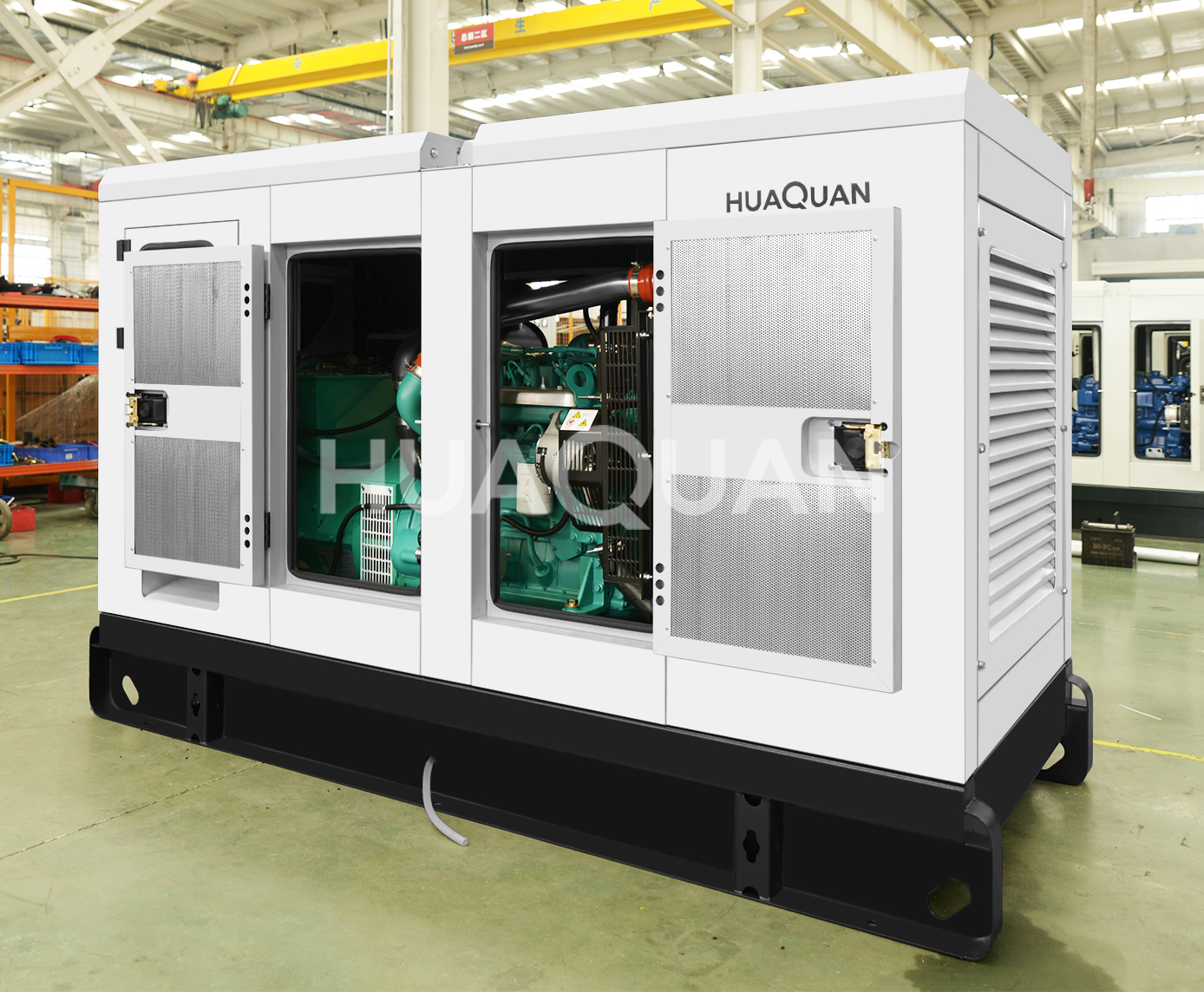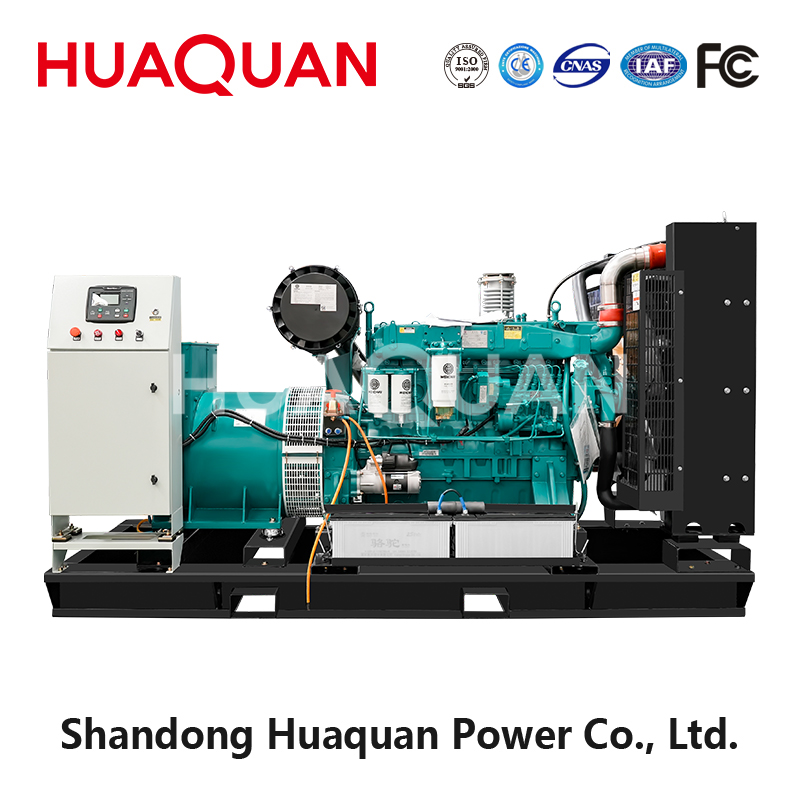
Thích hợp Máy phát điện Diesel nối đất connects the generator frame and neutral to earth through a grounding electrode system, preventing electrical shock, hư hỏng thiết bị, and fire hazards. Cụ thể, grounding provides a zero-voltage reference and a safe path for fault currents to flow to earth. Vì thế, correct diesel generator grounding is not optional — it is required by electrical codes and essential for safe operation.
Why Is Diesel Generator Grounding Important?
Preventing Electrical Shock Hazards
Without proper diesel generator grounding, a fault inside the generator can energize the metal frame, creating a deadly shock hazard for anyone who touches it. Hơn nữa, grounding ensures that fault current flows through the ground wire instead of through a person’s body. Ngoài ra, circuit breakers and GFCI devices rely on proper grounding to detect and clear faults quickly. For more on electrical safety, see the Wikipedia grounding article.
| Grounding Benefit | What It Prevents | Nó hoạt động như thế nào |
|---|---|---|
| Shock protection | Electrocution from energized frame | Fault current flows to earth, not body |
| Equipment safety | Insulation damage and fire | Overvoltage diverted to ground |
| Chống sét | Surge damage to electronics | Lightning energy absorbed by earth |
| EMI reduction | Signal interference | Noise currents shunted to ground |
| Code compliance | Fines and legal liability | Meets NEC/IEC requirements |
What Are the Main Diesel Generator Grounding Methods?
Separately Derived System Grounding
When a generator operates as a separately derived system (SDS), it has no direct electrical connection to the utility supply neutral. Trong trường hợp này, diesel generator grounding requires its own grounding electrode system. Cụ thể, you must bond the generator neutral to the grounding electrode at the generator location. Hơn thế nữa, this is the most common method for standby and prime power Máy phát điện. Huaquan generators typically use this method for reliable diesel generator grounding.
Non-Separately Derived System Grounding
When a generator connects to a transfer switch that does not switch the neutral, the system is non-separately derived. Do đó, the generator shares the building’s existing grounding system. Vì thế, you do not need a separate grounding electrode for the generator itself. Tuy nhiên, you must still bond the generator frame to the building grounding system through the equipment grounding conductor.
| Grounding Method | Neutral Switching | Grounding Electrode | Typical Use |
|---|---|---|---|
| Separately Derived (SDS) | Neutral switched in ATS | Own electrode at generator | Máy phát điện dự phòng, đơn vị di động |
| Non-SDS | Neutral not switched | Building existing electrode | Permanently installed backup |
| Máy phát điện di động | không áp dụng (cord-connected) | Ground rod or building ground | Sự thi công, events |
What Grounding Electrode Types Work Best?
The choice of grounding electrode affects the quality of your diesel generator grounding. Cụ thể, different electrode types offer different resistance values and installation requirements. For best results, aim for ground resistance below 25 ôm, với 5 ohms or less recommended for sensitive equipment.
| Electrode Type | Typical Resistance | Installation Depth | Tốt nhất cho |
|---|---|---|---|
| Driven rod (copper-clad) | 10-25 ôm | 2.4-3.0 mét | Most common, reliable choice |
| Ground plate | 5-15 ôm | 0.6-1.0 meters deep | Rocky soil, shallow bedrock |
| Concrete-encased (Ufer) | 3-10 ôm | In foundation rebar | New construction |
| Ground ring | 1-5 ôm | 0.8 meters deep, ring around bldg | Trung tâm dữ liệu, bệnh viện |
| Water pipe (metal) | 5-20 ôm | Existing underground pipe | Supplement only (NEC requires supplement) |
How to Install a Diesel Generator Grounding System?
Step-by-Step Installation Guide
Thích hợp diesel generator grounding installation follows a clear sequence. Đầu tiên, drive the grounding rod into the earth at least 3 meters deep, keeping it as close to the generator as practical. Kế tiếp, connect the grounding electrode conductor (GEC) from the rod to the generator grounding terminal. Sau đó, bond the neutral to the ground at the generator for SDS systems. Cũng, ensure all connections use listed connectors and are accessible for inspection.
| Installation Step | Hoạt động | Key Requirement |
|---|---|---|
| 1. Select electrode location | Near generator, moist soil preferred | Minimize GEC length |
| 2. Drive ground rod | Use hammer or driver tool | Top of rod below grade level |
| 3. Install GEC | Run copper wire from rod to gen | Per NEC Table 250.66 |
| 4. Make connections | Use listed ground clamps | Irreversible compression or exothermic |
| 5. Bond neutral (SDS) | Connect N-G at generator | Main bonding jumper sized per code |
| 6. Test resistance | Use 3-point fall-of-potential test | Target ≤25 ohms |
What Wire Size Does Diesel Generator Grounding Require?
các diesel generator grounding conductor size depends on the generator output and the overcurrent protection device rating. Cụ thể, NEC Table 250.66 provides the minimum sizing for grounding electrode conductors. Hơn nữa, using wire that is too small creates dangerous resistance and heat during fault conditions. Vì thế, always follow code requirements for wire sizing in your diesel generator grounding hệ thống.
| Generator Output (kVA) | OCPD Rating (MỘT) | Minimum GEC Size (AWG/kcmil) |
|---|---|---|
| 25-50 | 70-100 | 8 AWG copper |
| 50-100 | 100-200 | 6 AWG copper |
| 100-200 | 200-400 | 4 AWG copper |
| 200-400 | 400-600 | 2 AWG copper |
| 400-800 | 600-1200 | 1/0 AWG copper |
| 800-1500 | 1200-2500 | 2/0 AWG copper |
How to Test Diesel Generator Grounding Effectiveness?
Ground Resistance Testing Methods
After installing your diesel generator grounding hệ thống, testing confirms it works properly. Đầu tiên, the three-point fall-of-potential test is the most accurate method. Ngoài ra, the clamp-on ground tester offers a faster but less precise alternative. Trong mọi trường hợp, test the ground resistance at installation and then annually. For testing standards, refer to Wikipedia earth resistance measurement.
| Test Method | Sự chính xác | Time Needed | Tốt nhất cho |
|---|---|---|---|
| Fall-of-potential (3-point) | Cao | 30-60 min | Initial verification, annual check |
| Clamp-on ground tester | Vừa phải | 5 min | Quick checks, routine monitoring |
| Soil resistivity (Wenner) | Cao | 60+ min | Site assessment before installation |
| Continuity test | Pass/Fail | 5 min | Verifying bonding connections |
What Are Common Diesel Generator Grounding Mistakes?
Many diesel generator grounding failures result from common installation errors. Đầu tiên, failing to bond the neutral to ground on SDS systems leaves the system floating, which creates unpredictable voltages. Kế tiếp, using undersized grounding conductors increases resistance and prevents breakers from tripping on faults. Cũng, connecting the generator ground to a water pipe alone (without a supplemental electrode) violates NEC requirements. For professional diesel generator grounding giải pháp, thăm nom Huaquan generator products.
| Common Mistake | Consequence | Correct Practice |
|---|---|---|
| Not bonding N-G on SDS | Floating neutral, shock hazard | Always bond neutral to ground at generator |
| Undersized GEC wire | Fault current cannot clear | Size per NEC Table 250.66 |
| Kết nối lỏng lẻo | High resistance, arcing, ngọn lửa | Use listed clamps, torque to spec |
| Sharing ground with lightning | Surge damage to equipment | Separate systems, bond at one point |
| Skip resistance testing | Unknown ground quality | Test at install and annually |
Does a portable diesel generator need grounding?
Đúng, cầm tay diesel generator grounding is required in most cases. Cụ thể, OSHA requires grounding for portable generators on construction sites unless the generator supplies only cord-connected equipment through receptacles mounted on the generator. Hơn nữa, always check local codes, as requirements vary. When grounding is needed, drive a rod and connect it to the generator frame terminal.
What is the maximum ground resistance for a diesel generator?
NEC requires diesel generator grounding resistance below 25 ohms for a single rod electrode. Tuy nhiên, if the resistance exceeds 25 ôm, you must install a second rod at least 1.8 cách xa mét. Hơn thế nữa, for sensitive installations like data centers and hospitals, best practice targets 5 ohms or less. Vì thế, always test and document your ground resistance value.
Can I use the building steel as a grounding electrode?
Đúng, building structural steel can serve as a diesel generator grounding electrode if it is effectively grounded and meets NEC 250.52 requirements. Cụ thể, the steel must be in direct contact with the earth or encased in concrete. Hơn nữa, you must verify continuity and resistance. Tuy nhiên, always supplement with a driven rod for redundancy in critical applications.
How often should diesel generator grounding be tested?
Test your diesel generator grounding system at installation, then annually at minimum. Ngoài ra, test after any major electrical work, lightning strikes, or if you notice equipment behaving erratically. Hơn nữa, facilities like hospitals and data centers should test quarterly. Always document results for compliance records and code inspections.
What happens if a diesel generator is not grounded?
Without proper diesel generator grounding, fault currents have no safe path to earth. Do đó, the generator frame can become energized at lethal voltage. Hơn thế nữa, circuit breakers may not trip on ground faults, allowing dangerous conditions to persist. Ngoài ra, lightning and switching surges have no path to discharge, damaging insulation and electronics. Vì thế, never operate an ungrounded generator.
Phần kết luận: Ground Your Generator Properly
Tóm lại, thích hợp diesel generator grounding is essential for safety, tuân thủ mã, and reliable operation. Đầu tiên, choose the right grounding method based on whether your system is separately derived. Kế tiếp, select and install the correct electrode type and conductor size. Sau đó, test the ground resistance and maintain the system annually. Cuối cùng, never operate a generator without proper grounding — the risk of shock, ngọn lửa, and equipment damage is too great. Liên hệ Điện Hoa Tuyền for generators with factory-standard grounding provisions.