UM Gerador Diesel load bank test applies a controlled artificial load to verify that the generator can produce its rated power output, maintain stable voltage and frequency, and operate at full temperature without issues. Especificamente, load bank testing is required by NFPA 110 for emergency power systems and is the only way to prove your generator works at full capacity. Portanto, a proper diesel generator load bank test is essential for any facility that depends on reliable energia de reserva.
Why Is a Diesel Generator Load Bank Test Necessary?
Proving Generator Performance Under Load
Sem um diesel generator load bank test, you cannot confirm that your generator will perform during a real power outage. Especificamente, many Geradores run only lightly loaded during weekly exercises, which causes wet stacking, carbon buildup, and undetected mechanical problems. Além disso, NFPA 110 requires annual load bank testing for Level 1 emergency power systems. Portanto, regular load testing is both a safety requirement and a maintenance best practice. For NFPA standards, see Wikipedia NFPA 110.
| Reason for Load Bank Testing | What It Reveals | Consequence of Skipping |
|---|---|---|
| Verify rated power output | Generator can deliver full kW/kVA | Generator fails when you need it most |
| Detect cooling system problems | Overheating at full load | Shutdown during real emergency |
| Identify fuel system issues | Fuel starvation under heavy load | Power drops or engine stalls |
| Confirm voltage regulation | Voltage stays within ±5% at all loads | Equipment damage from voltage spikes |
| Prevent wet stacking | Burns off carbon from light-load operation | Exhaust damage, reduced efficiency |
| NFPA 110 conformidade | Meets legal requirement for emergency systems | Fines, insurance issues, liability |
What Types of Load Banks Are Available?
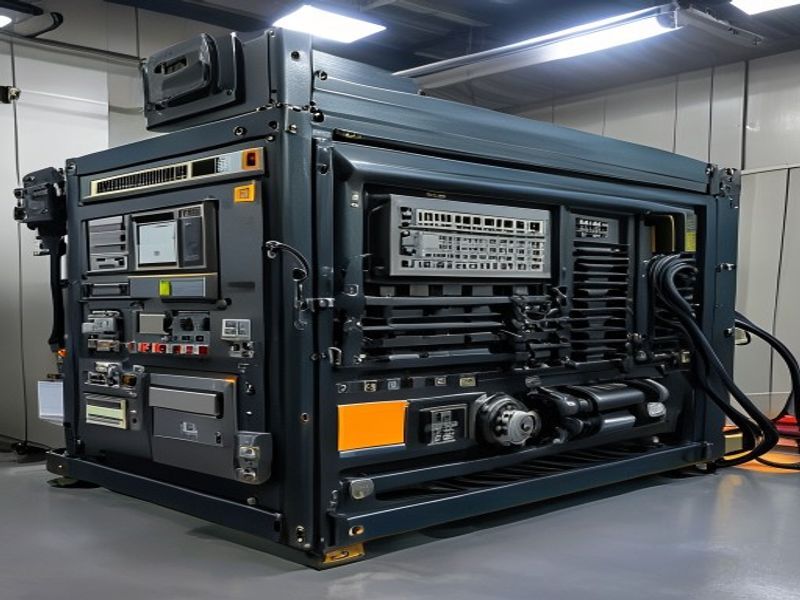
Selecting the right load bank is the first step in a diesel generator load bank test. Especificamente, load banks come in resistive and reactive types, each testing different aspects of generator performance. Além disso, most routine testing uses resistive load banks because they are simpler and less expensive. No entanto, reactive load banks test the alternator’s ability to handle inductive loads like motors.
| Load Bank Type | What It Tests | Fator de potência | Cost per Day (Rental) |
|---|---|---|---|
| Resistive | kW output, tensão, freqüência, resfriamento | 1.0 | 200-500 USD |
| Reactive (inductive) | kVA output, voltage dip on motor starts | 0.8 atrasado | 500-1500 USD |
| Resistive-reactive (combined) | Full generator capability at rated pf | 0.8 | 800-2000 USD |
| Capacitive | Leading power factor handling | 0.8 principal | Specialized — varies |
How to Size a Load Bank for Your Generator?
Matching Load Bank Capacity to Generator Rating
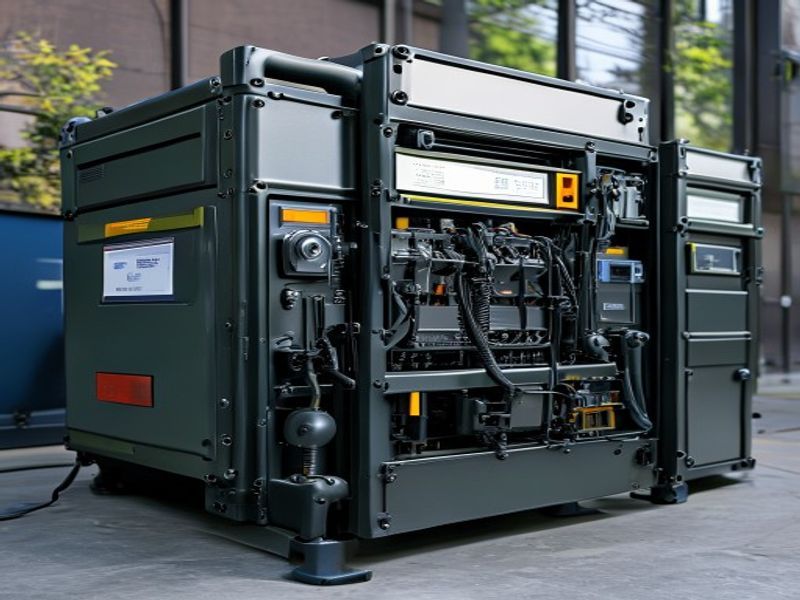
The load bank must be sized to apply at least 100% of the generator’s rated kW for a full diesel generator load bank test. Especificamente, NFPA 110 requires testing at a minimum of 30% of nameplate kW for monthly exercises and 75-100% for annual tests. Além disso, the load bank should have fine load steps (5-10% increments) to allow gradual loading and data recording at each level.
| Generator Rating | Load Bank Size Needed | Load Steps Recommended | Cable Size (per phase) |
|---|---|---|---|
| 50-100 kW | 100-125 kW | 10 kW steps | 2/0 AWG |
| 100-250 kW | 250-300 kW | 25 kW steps | 4/0 AWG |
| 250-500 kW | 500-600 kW | 50 kW steps | 350 kcmil |
| 500-1000 kW | 1000-1250 kW | 100 kW steps | 500 kcmil |
| 1000-2000 kW | 2000-2500 kW | 200 kW steps | 2× 500 kcmil per phase |
| 2000+ kW | Match generator kW + 25% | Per manufacturer | Per engineering calculation |
What Is the Step-by-Step Load Bank Test Procedure?
Um adequado diesel generator load bank test follows a structured procedure to safely bring the generator to full load while monitoring all critical parameters. Primeiro, connect the load bank to the generator output through the emergency power terminal block or a dedicated load bank connection. Próximo, record baseline readings with no load. Então, apply load in steps of 25%, 50%, 75%, e 100% of rated output. At each step, record voltage, freqüência, atual, pressão do óleo, temperatura do líquido refrigerante, e temperatura de exaustão. Visita Huaquan generator products for units with load bank connection provisions.
| Test Step | Nível de carga | Hold Time | Record These Readings |
|---|---|---|---|
| 1. No-load baseline | 0% | 5 minutos | V, Hz, pressão do óleo, coolant temp |
| 2. First load step | 25% | 10 minutos | V, Hz, UM, pressão do óleo, coolant temp, exhaust temp |
| 3. Second load step | 50% | 15 minutos | Same readings |
| 4. Third load step | 75% | 15 minutos | Same readings |
| 5. Full load | 100% | 30-60 minutos | Same readings every 10 minutos |
| 6. Cool-down | 0% (unload gradually) | 5 minutos | Coolant temp dropping, no load |
What Safety Precautions Are Required During Testing?
Protecting Personnel and Equipment
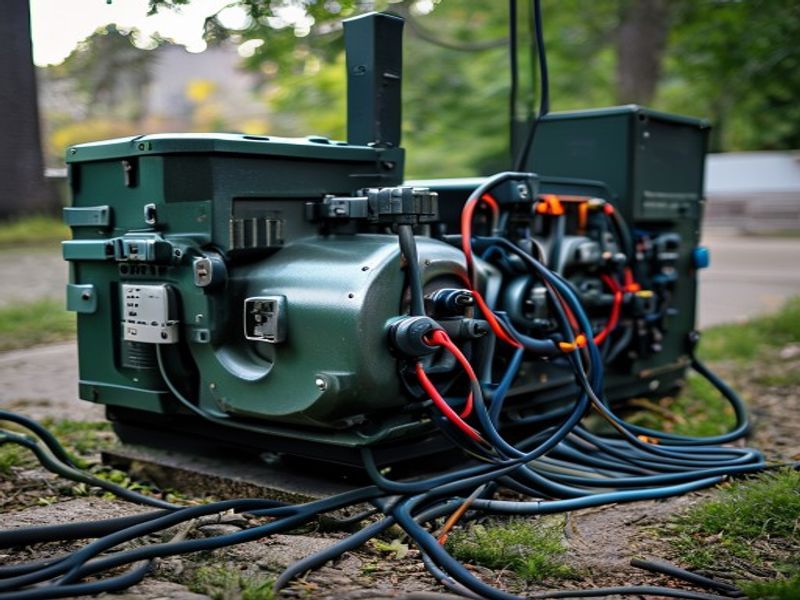
Safety is paramount during a diesel generator load bank test because you are working with high electrical power and heat-generating equipment. Primeiro, all personnel must wear arc-flash-rated PPE appropriate for the available fault current. Próximo, position the load bank outdoors or in a well-ventilated area because resistive load banks generate enormous heat. Também, keep fire extinguishers nearby and ensure clear access to emergency stops. Além disso, never leave the test unattended while under load.
| Safety Requirement | Especificação | Por que é importante |
|---|---|---|
| Arc-flash PPE | Per incident energy calculation | Protects against arc-flash burns |
| Load bank ventilation | Outdoors or 10+ air changes/hour | Prevents heat buildup and fire |
| Fire extinguisher | BC or ABC rated, within 10m | Fuel or electrical fire response |
| Emergency stop access | Clear path to both gen and load bank E-stop | Immediate shutdown if problems occur |
| Continuous monitoring | Trained operator present at all times | Catches problems before they escalate |
| Clear area around load bank | 3m clearance from combustibles | Load bank surfaces reach 200°C+ |
What Are the NFPA 110 Testing Requirements?
NFPA 110 defines the standard diesel generator load bank test requirements for emergency and standby power systems. Especificamente, Nível 1 sistemas (segurança de vida) have stricter requirements than Level 2 sistemas. Além disso, the standard specifies both monthly and annual testing protocols. For the complete standard, see Wikipedia NFPA.
| NFPA 110 Exigência | Mensal | Anual |
|---|---|---|
| Test duration | 30 minutes minimum | 2 hours minimum (4 hours for Level 1) |
| Minimum load level | 30% of rated kW (or available load) | 75-100% of rated kW |
| Load bank substitute | Allowed if building load is insufficient | Required if building load <75% |
| Records required | Data, duration, nível de carga, problems | Full data log at each load step |
| Failure action | Investigate and correct within 24 horas | Document and repair before returning to service |
How to Interpret Load Bank Test Results?
What Readings Are Acceptable?
After completing the diesel generator load bank test, compare your readings to the manufacturer’s specifications. Especificamente, voltage should stay within ±5% of rated, frequency within ±2%, and coolant temperature below the shutdown setpoint (typically 105-110°C). Além disso, oil pressure should remain above the minimum at operating temperature. If any parameter falls outside acceptable range, the generator needs repair before being relied upon for emergency power. Contato Poder Huaquan for service support.
| Parâmetro | Acceptable Range | Warning Level | Fail Level |
|---|---|---|---|
| Tensão | ±5% of rated (380-420V for 400V) | ±7-8% | >±10% |
| Freqüência | ±2% of rated (49-51 Hz for 50Hz) | ±3% | >±5% |
| Coolant temperature | Below 100°C at full load | 100-105°C | >110°C (desligar) |
| Pressão do óleo | Per engine specs (tipicamente 3-5 bar) | Above minimum but dropping | Below minimum spec |
| Exhaust temperature | Per engine specs | Approaching limit | Above limit — stop test |
How often should a diesel generator load bank test be performed?
Per NFPA 110, um diesel generator load bank test must be performed monthly at 30% load for 30 minutes and annually at 75-100% load for 2-4 horas. Especificamente, the annual test is the comprehensive one that proves full-capacity performance. Além disso, if the generator never sees more than 30% load during normal operations, the annual load bank test is mandatory to prevent wet stacking and carbon buildup.
Can I use building load instead of a load bank?
Sim, you can use the actual building electrical load instead of a diesel generator load bank test if the load reaches at least 30% of rated kW for monthly tests and 75% for annual tests. No entanto, most buildings do not draw enough load to meet the 75% annual requirement. Portanto, a load bank is typically needed for the annual test to supplement the building load to the required level.
What happens if a generator fails the load bank test?
If a generator fails the diesel generator load bank test, it must be repaired and retested before being returned to service as emergency backup. Especificamente, common failures include overheating (cooling system problem), voltage drop (fuel system or AVR issue), and power loss (engine or fuel delivery problem). Além disso, document the failure, investigate the root cause, reparar, and schedule a retest to confirm the fix.
How much does a load bank test cost?
Um profissional diesel generator load bank test costs 500-3000 USD depending on generator size and location. Especificamente, the cost includes load bank rental (200-500 USD/day), delivery and setup (200-500 USD), and technician labor (100-200 USD/hour for 4-8 horas). Além disso, testing larger generators above 1000kW costs more due to larger load banks and heavier cable requirements.
What is wet stacking and how does load bank testing prevent it?
Wet stacking occurs when a diesel engine runs at light load, causing unburned fuel and carbon to accumulate in the exhaust system. UM diesel generator load bank test prevents wet stacking by forcing the engine to operate at high load, which burns exhaust temperatures high enough to clear carbon deposits. Especificamente, running at 75-100% load for 1-2 hours effectively cleans the exhaust system and restores engine efficiency.
Conclusão: Test Your Generator to Prove Its Reliability
Resumindo, um diesel generator load bank test is the only way to confirm your backup power system will perform when called upon. Primeiro, select the right load bank type and size for your generator. Próximo, follow the step-by-step procedure with proper safety precautions. Então, compare results to manufacturer specifications. Finalmente, document everything for NFPA 110 conformidade. Contato Poder Huaquan for generators designed for easy load bank testing and professional support services.