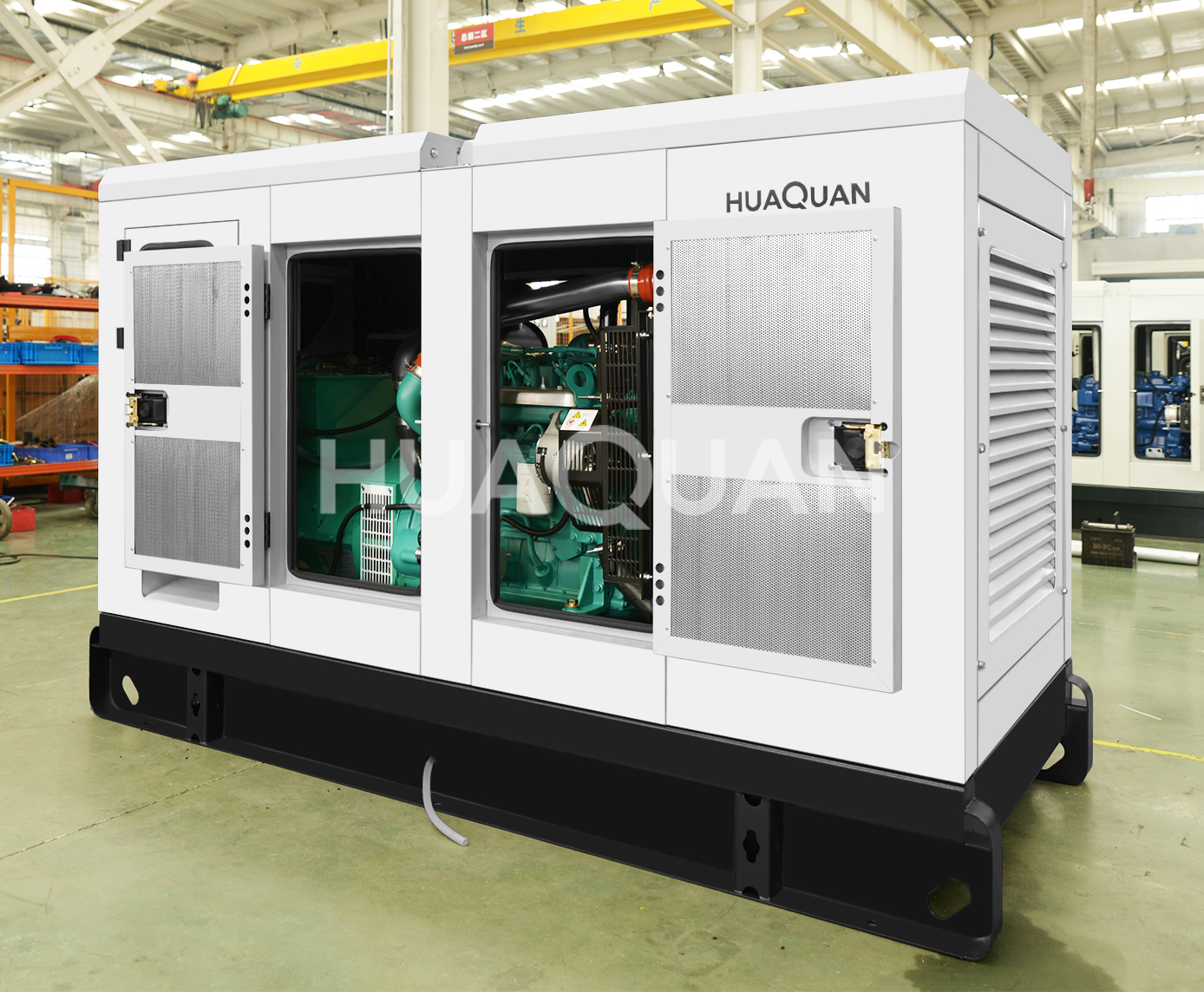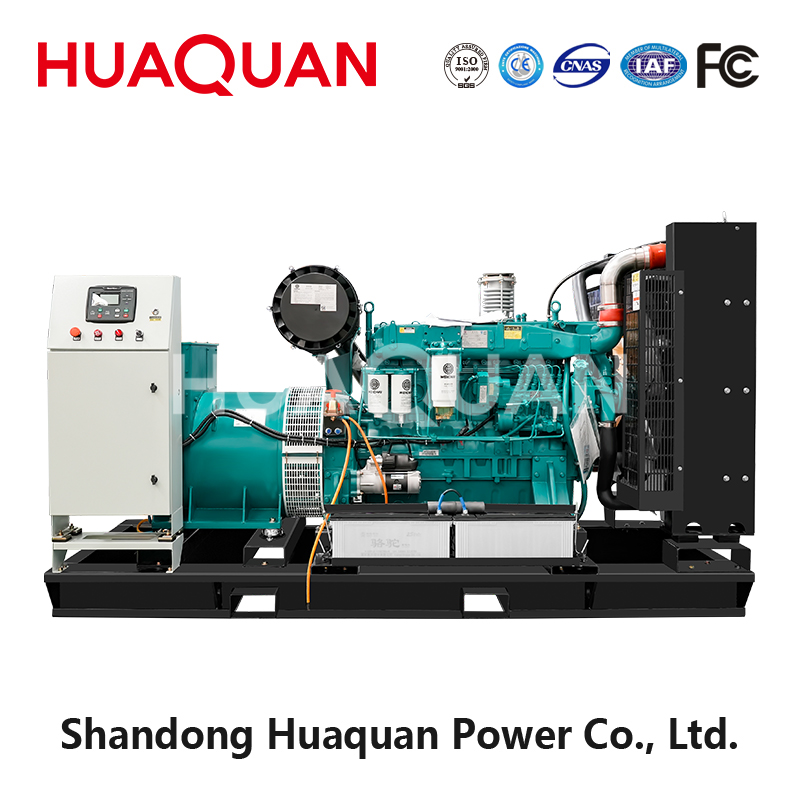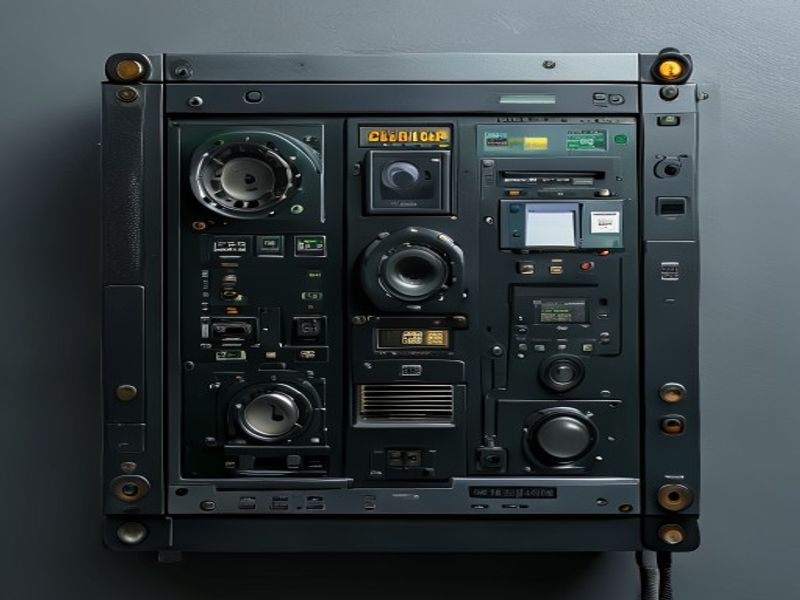
A generador diésel Interruptor de transferencia automática monitors utility power voltage and frequency, starts the generator within seconds when utility fails, transfers the load to generator power, and returns to utility when power is restored — all without human intervention. Específicamente, the ATS is the critical link that makes energía de respaldo truly automatic. Por lo tanto, understanding how a diesel generator automatic transfer switch works ensures you select and maintain the right system for reliable power continuity.
What Are the Core Functions of an Automatic Transfer Switch?
Sensing, A partir de, and Switching
A diesel generator automatic transfer switch performs three essential functions. Primero, it continuously monitors utility power for voltage drops, frequency variations, and phase loss. Próximo, when it detects a utility failure, it sends a start signal to the generator. Entonces, after the generator reaches stable voltage and frequency, the ATS transfers the load from utility to generator. Finalmente, when utility power returns and stabilizes, the ATS transfers back and sends a cool-down signal to the generator. For more on power switching, see Wikipedia transfer switch.
| ATS Function | What Happens | Typical Time |
|---|---|---|
| Utility monitoring | Continuous voltage/frequency sensing | Always active |
| Failure detection | Voltage drops below 80% or frequency off by ±5% | 0.5-3 artículos de segunda clase |
| Generator start signal | Closure of start contact to generator controller | Instante (after detection delay) |
| Generator stabilization wait | ATS waits for stable V/Hz before transfer | 3-15 artículos de segunda clase |
| Load transfer (open transition) | Break before make — brief power interruption | 50-100 milliseconds |
| Utility return wait | Confirms stable utility for minimum time | 5-30 minutos (adjustable) |
| Re-transfer to utility | Switches load back to utility | 50-100 milliseconds |
| Generator cool-down | Runs unloaded for cooling period | 1-5 minutos (adjustable) |
What Are the Types of Automatic Transfer Switches?
El diesel generator automatic transfer switch comes in several types, each suited for different applications. Específicamente, the main distinction is between open transition (break-before-make) and closed transition (make-before-break) switching. Además, bypass-isolation ATS models allow maintenance without interrupting power. Por lo tanto, choosing the right type depends on whether your application tolerates a brief power interruption during transfer.
| ATS Type | Transfer Method | Power Interruption | Mejor para |
|---|---|---|---|
| Open transition | Break before make | 50-100 EM | Most standby applications |
| Open transition with in-phase monitor | Waits for phase alignment before switching | Varía (up to several seconds) | Motor loads sensitive to out-of-phase transfer |
| Closed transition | Make before break (brief paralleling) | Zero interruption | hospitales, centros de datos, critical loads |
| Bypass-isolation | Includes manual bypass path | None (during ATS maintenance) | Critical facilities needing 24/7 fuerza |
| Service entrance rated | Combines ATS and service disconnect | Same as base ATS type | Saves space and cost on new installations |
How Does Open Transition Transfer Work?
Break-Before-Make Switching Sequence
Open transition is the most common diesel generator automatic transfer switch tipo. Específicamente, the switch first disconnects from the dead utility source, then connects to the generator after a brief pause. Por lo tanto, there is a momentary power interruption of 50-100 milliseconds during transfer. While this interruption is too short to affect most equipment, it may cause some sensitive electronics to restart. For more on power quality, see Wikipedia power quality.
| Paso | Contact Position | Load Power Status | Duración |
|---|---|---|---|
| 1. Utility normal | Utility contacts closed | Powered by utility | Continuo |
| 2. Utility fails | Utility contacts closed (dead) | No power | 0.5-3 segundo (detection delay) |
| 3. Generator starting | All contacts open | No power | 3-15 segundo (engine start + stabilize) |
| 4. Transfer to generator | Utility open, gen contacts close | Powered by generator | 50-100 ms transfer time |
| 5. Generator powering load | Gen contacts closed | Powered by generator | Until utility returns |
| 6. Re-transfer to utility | Gen open, utility contacts close | Powered by utility | 50-100 ms transfer time |
How Does Closed Transition Transfer Work?
Closed transition diesel generator automatic transfer switch systems briefly parallel the utility and generator sources for 100-500 milliseconds before disconnecting the outgoing source. Específicamente, the switch connects the generator while the utility is still connected, creating a momentary parallel operation. Por lo tanto, there is zero power interruption during transfer. Sin embargo, closed transition requires that both sources are synchronized in voltage, frecuencia, and phase angle before paralleling. Visita Huaquan generator products for ATS-compatible models.
| Closed Transition Requirement | Especificación | Por qué es importante |
|---|---|---|
| Voltage difference | <5% between sources | Prevents circulating current |
| Frequency difference | <0.2 Hz | Prevents power oscillation |
| Phase angle difference | <5 electrical degrees | Prevents torque transients on motors |
| Paralleling time | 100-500 ms maximum | Meets utility interconnection rules |
| Utility approval | Often required | Grid connection agreement may be needed |
What ATS Sizing and Rating Do You Need?
Selecting the Right Ampere Rating
El diesel generator automatic transfer switch must be rated for the full load current it will carry. Específicamente, the ATS ampere rating should equal or exceed the main breaker rating. Además, the ATS must have an interrupting rating that exceeds the available fault current at the installation point. Por lo tanto, always consult an electrical engineer for ATS sizing on commercial and industrial installations.
| Tamaño del generador | Typical Main Breaker | ATS Rating (Amperes) | Number of Poles |
|---|---|---|---|
| 20-50 kilovatios (single-phase) | 100-200A | 100-200A | 2-pole |
| 50-100 kilovatios (trifásico) | 150-200A | 200A | 3 or 4-pole |
| 100-250 kilovatios | 300-500A | 400-600A | 3 or 4-pole |
| 250-500 kilovatios | 600-1000A | 800-1200A | 4-pole |
| 500-1000 kilovatios | 1200-2000A | 1600-2500A | 4-pole |
| 1000+ kilovatios | 2000A+ | 3000-6000A | 4-pole |
What Controls and Features Should an ATS Have?
Moderno diesel generator automatic transfer switch controllers offer advanced features beyond basic transfer logic. Primero, adjustable time delays let you fine-tune start, transfer, and re-transfer timing. Próximo, exerciser clocks run the generator weekly to ensure readiness. También, event logging records every transfer and failure for troubleshooting. Además, communication modules allow remote monitoring. For ATS options compatible with Huaquan Generadores, contacto Poder Huaquan.
| ATS Feature | What It Does | Why You Need It |
|---|---|---|
| Adjustable start delay | Prevents false starts on momentary dips | Avoids unnecessary generator wear |
| Adjustable re-transfer delay | Waits to confirm stable utility | Prevents cycling between sources |
| Exerciser clock | Auto-runs generator weekly | Ensures generator is always ready |
| Event log | Records transfer history | Troubleshooting and compliance |
| Remote communication | SNMP, Modbus, or cellular monitoring | Unattended site management |
| Phase loss detection | Detects single-phase utility failure | Protects three-phase loads |
How to Install an ATS Correctly?
Installation Best Practices
Proper installation is critical for reliable diesel generator automatic transfer switch operación. Primero, mount the ATS as close to the main distribution panel as practical. Próximo, use the correct wire size for both utility and generator feeds. También, install control wiring between the ATS and generator in separate conduit from power conductors. Además, verify phase rotation matches between utility and generator before commissioning.
| Installation Step | Key Requirement | Common Error |
|---|---|---|
| ATS mounting location | Near main panel, accessible | Placing too far from panel |
| Wire sizing | Per NEC for load current | Undersized conductors |
| Control wiring | Separate conduit from power | Running control and power together |
| Phase rotation check | L1-L2-L3 matches on both sources | Reversed phase causing motor reversal |
| Neutral switching | Per separately derived system rules | Switching neutral when not required |
| Testing and commissioning | Full functional test under load | Skip testing, assume it works |
How fast does an automatic transfer switch respond?
A diesel generator automatic transfer switch detects utility failure within 0.5-3 artículos de segunda clase, then starts the generator and transfers load within 10-20 seconds total. Específicamente, closed transition ATS models transfer with zero interruption. Además, the total time from outage to generator power is mainly determined by engine cranking and stabilization time, not the switch itself. Por lo tanto, regular generator exercising ensures fast starts.
Can I install an ATS myself?
No, installing a diesel generator automatic transfer switch requires a licensed electrician and often a building permit. Específicamente, the ATS connects directly to utility power, which involves serious safety hazards if done incorrectly. Además, improper installation can backfeed the utility grid, endangering line workers. Por lo tanto, always hire a qualified professional for ATS installation and commissioning.
What is the difference between 3-pole and 4-pole ATS?
A 3-pole diesel generator automatic transfer switch switches only the three phase conductors, while the neutral passes through continuously. A 4-pole ATS switches the neutral conductor as well. Específicamente, 4-pole ATS is required for separately derived systems where the generator neutral must be isolated from the utility neutral. Por lo tanto, consult your electrical engineer to determine which type your installation requires.
How often should an ATS be tested?
Test your diesel generator automatic transfer switch monthly under load and perform a full annual inspection. Específicamente, the monthly test simulates a utility failure by opening the main breaker and verifying automatic transfer. Además, the annual inspection includes contact inspection, torque checks on all terminations, and functional testing of all time delays. Además, document all tests for NFPA 110 cumplimiento.
What causes ATS failure?
Common diesel generator automatic transfer switch failures include contact pitting from frequent switching, control circuit board failure from power surges, corroded terminals from moisture, and mechanical binding from lack of exercise. Específicamente, most ATS failures result from inadequate testing and maintenance. Por lo tanto, monthly exercising and annual inspections prevent the majority of ATS problems.
Conclusión: Your ATS Is the Key to Automatic Backup Power
En resumen, el diesel generator automatic transfer switch is the brain of your backup power system. Primero, choose the right transition type — open for most applications, closed for zero-interruption needs. Próximo, size the ATS correctly for your load current and fault current. Entonces, select features like exerciser clocks and remote monitoring for reliability. Finalmente, test and maintain the ATS regularly. Contacto Poder Huaquan for complete generator and ATS packages with professional commissioning.