
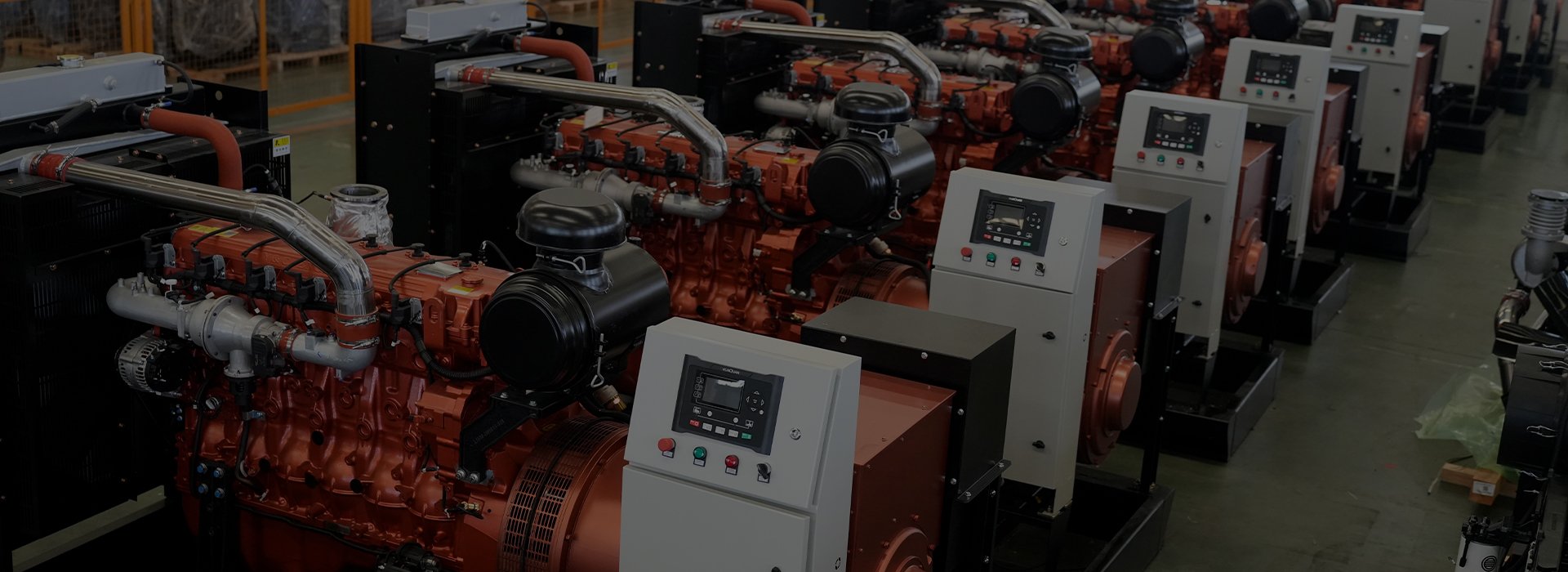
Professioneller Gasgeneratorhersteller in China
Durch die Zusammenarbeit mit Marken wie WC, YC, KMS, und SC, HUAQUAN hat seine Produkte kontinuierlich optimiert und verbessert, Gewährleistung zuverlässiger Qualität. Die intelligente Fertigungswerkstatt hat vollautomatische Spritzlinien eingeführt, Industrieschweißroboter, AGV-Transportplattformen, und CNC-Maschinen usw. Es verfügt über starke technische Reserven und eine hohe Produktionseffizienz.
Der HUAQUAN-Gasgenerator verwendet einen bürstenlosen Vollkupfer-Generator mit einem verlängerten Siliziumstahlblechkern. Es hat eine starke Kraft, ausreichende Ausgangsleistung, ausgezeichnetes Preis-Leistungs-Verhältnis, lange Lebensdauer, und geringe Wartungskosten.
Der HUAQUAN-Gasgenerator nutzt die neueste ECU-Technologie, um die Effizienz der Gasverbrennung zu optimieren und die Ausfallrate zu reduzieren.
Der HUAQUAN-Gasgenerator erreicht seine Betriebsstabilität durch systematisches Optimierungsdesign, Integration einer intelligenten Zufuhrregulierung, effiziente Abwärmerückgewinnung, und Tiefenentschwefelungs- und Dehydrierungstechnologien. Nach strengen Test- und Verifizierungsverfahren, Es kann die Zuverlässigkeit und Umweltfreundlichkeit der Ihnen bereitgestellten Stromerzeugungslösung gewährleisten.
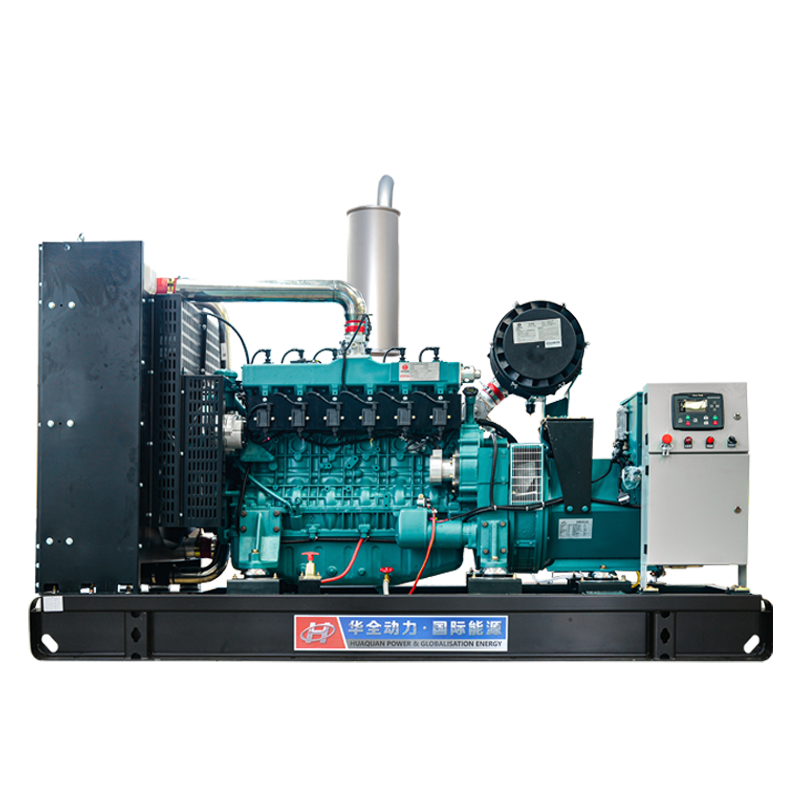
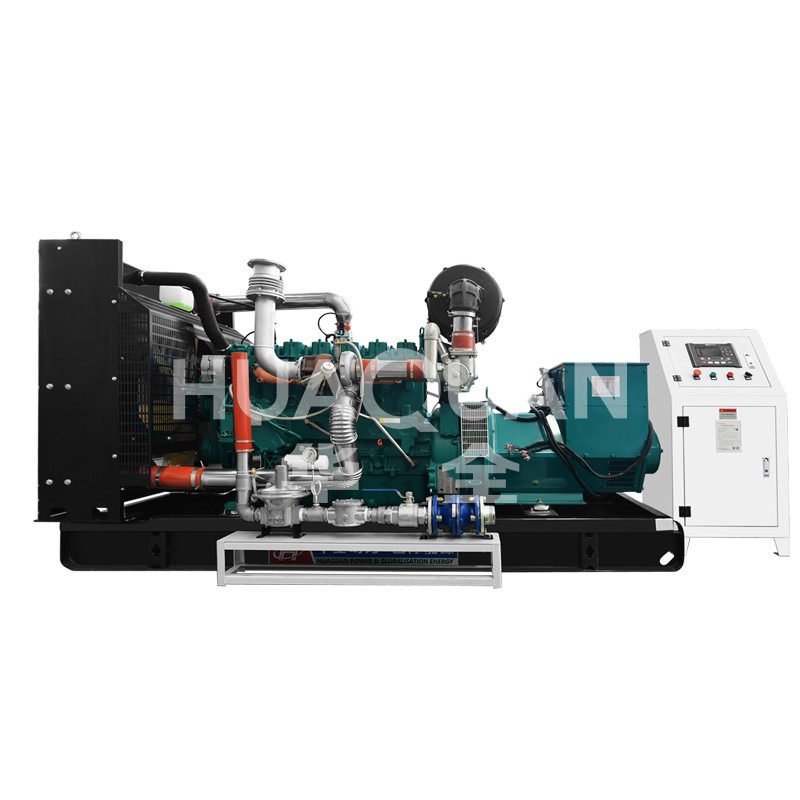
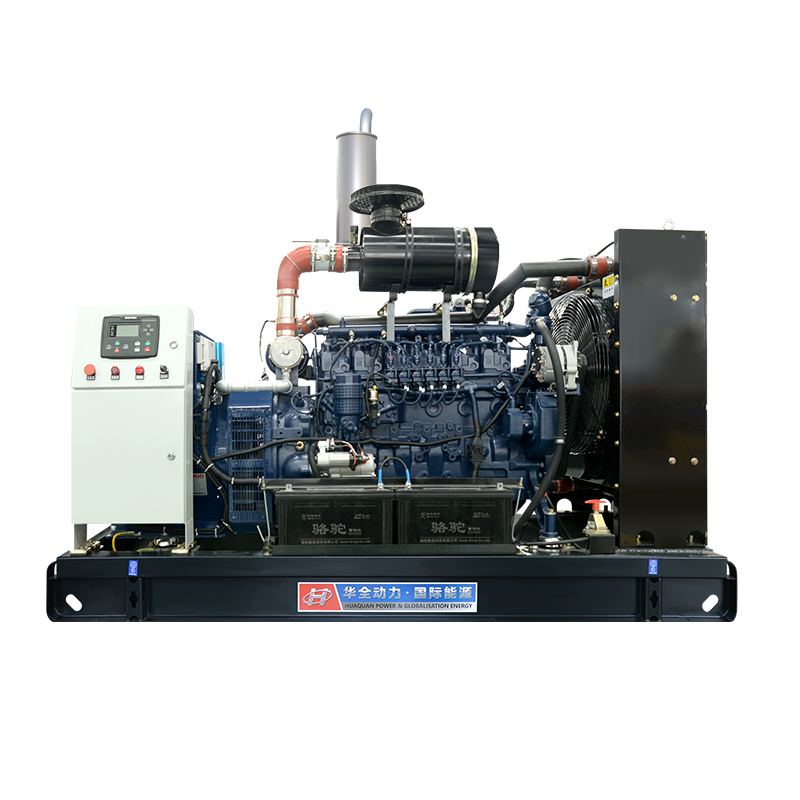
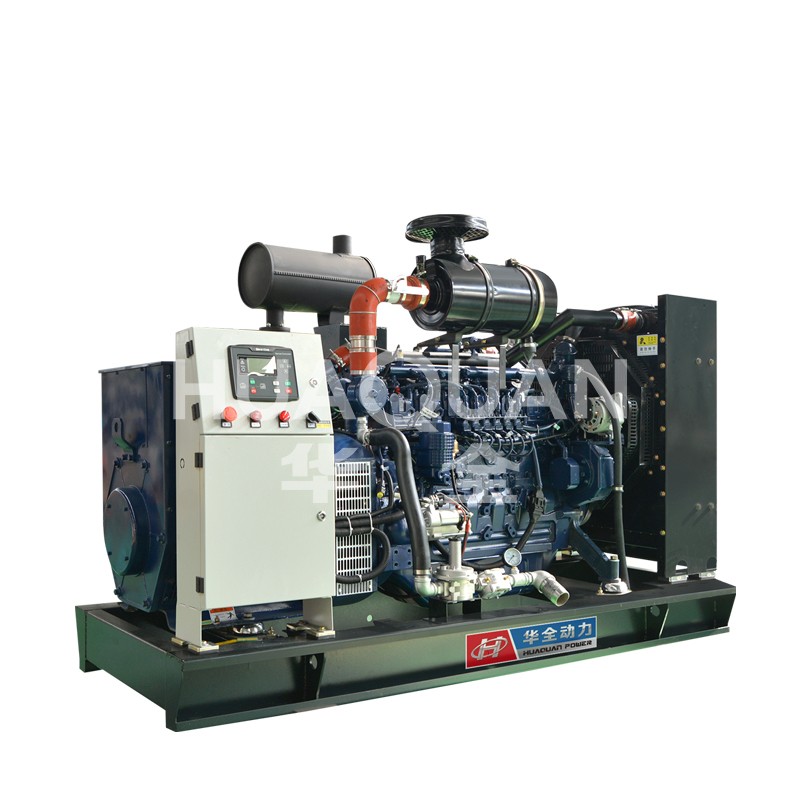
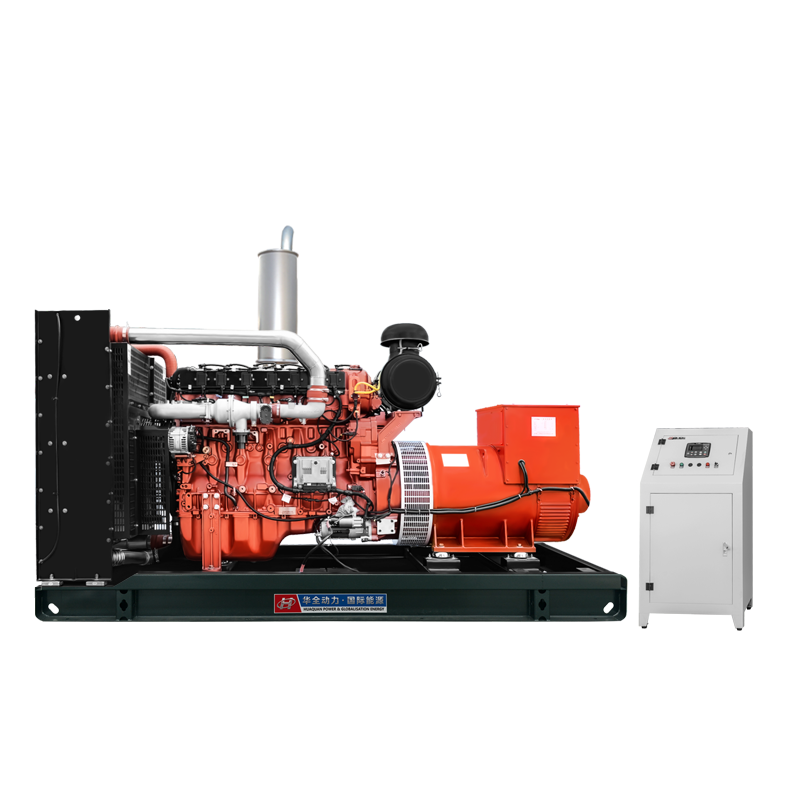
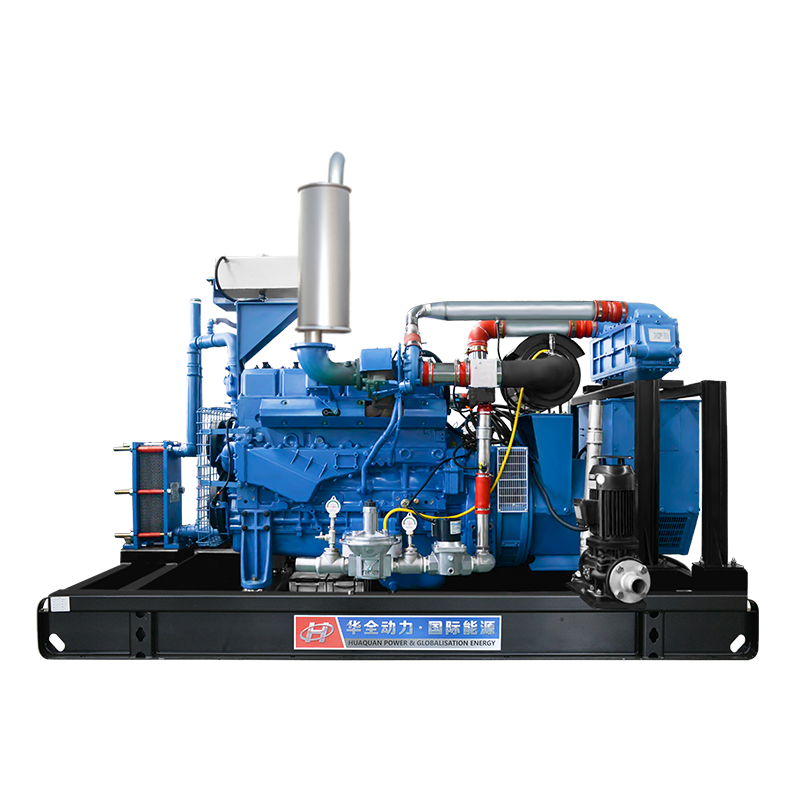
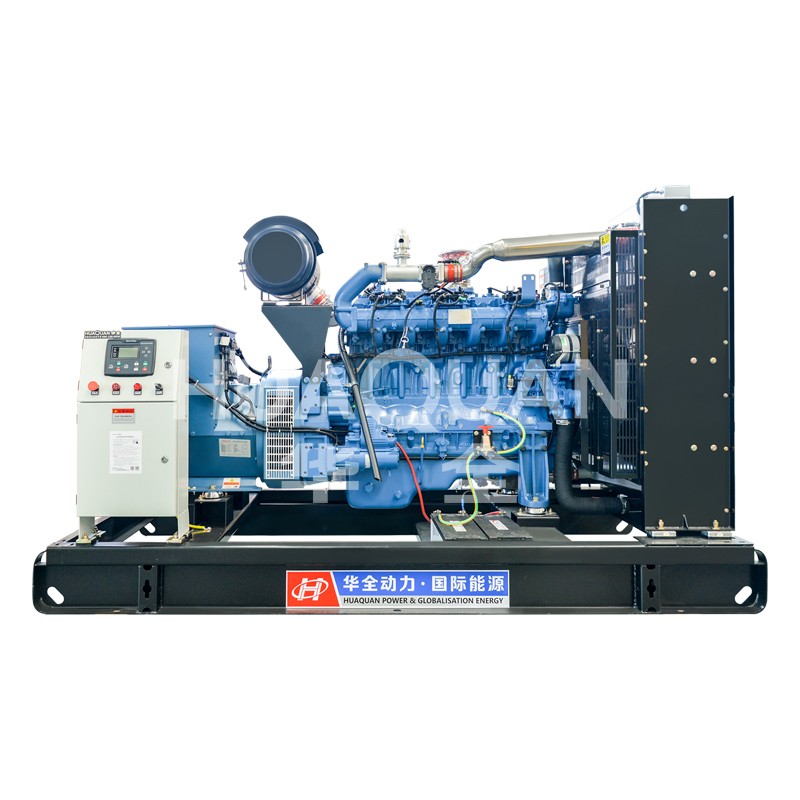
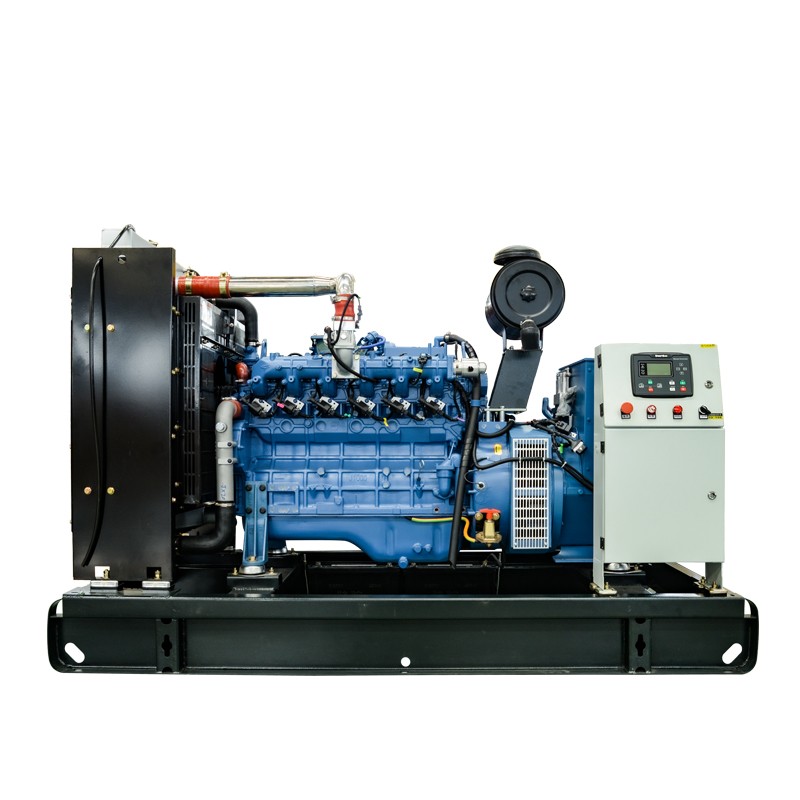
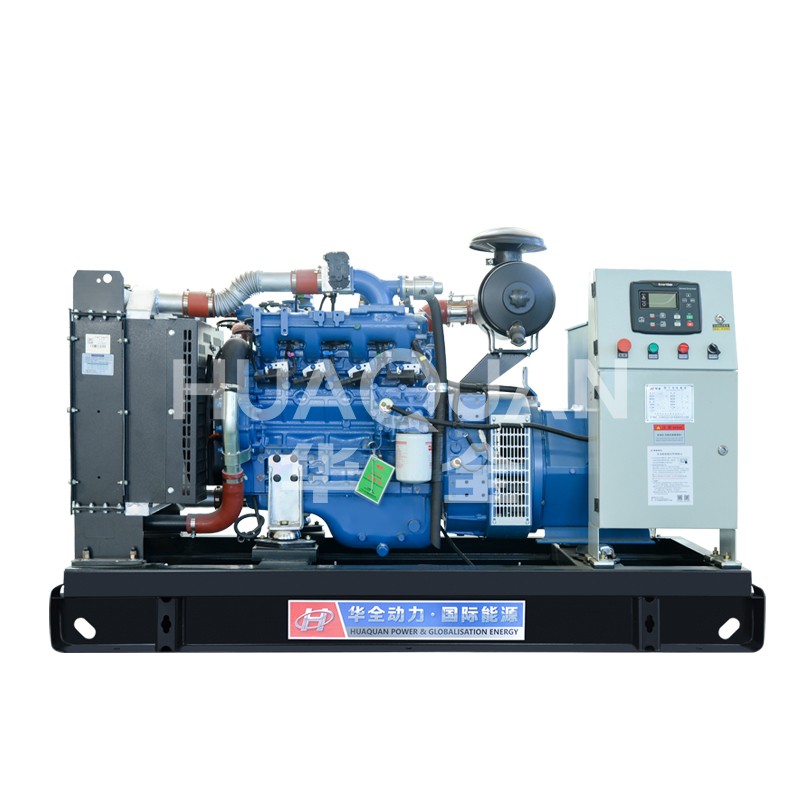
HUAQUAN-Gasgeneratorprodukte
Die HUAQUAN-Gasgeneratoren sind mit verschiedenen Kraftstoffen kompatibel und mit intelligenter Steuerungstechnik ausgestattet. Sie haben erhebliche Vorteile in Bereichen wie der Landwirtschaft, Viehzucht, und Stromversorgung in abgelegenen Gebieten.
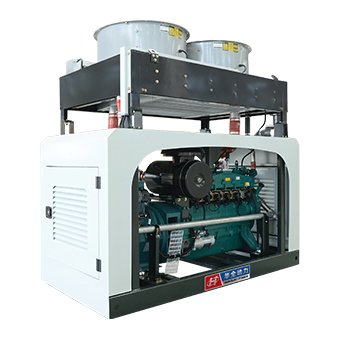
Der zugehörige Erdölgasgeneratorsatz von HUAQUAN wandelt das „Abgas“ des Ölfeldbegleitgases effizient in wertvolle Energieressourcen um. Dabei handelt es sich nicht nur um eine Technologie, sondern auch um eine umfassende Lösung, die „Wirtschaftlichkeit“ integriert, Umweltschutz und Zuverlässigkeit“. Es hilft Unternehmen, Abfälle in Gewinne umzuwandeln und die doppelten Ziele des Ressourcenrecyclings sowie der Energieeinsparung und Emissionsreduzierung zu erreichen.
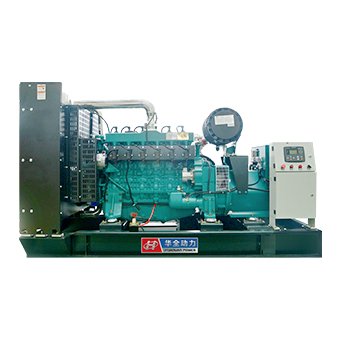
Der HUAQUAN-Biogasgenerator ist mit Motoren von Marken wie YC und SC ausgestattet. Die wichtigsten Sensoren werden importiert, und es ist außerdem mit dem HUAQUAN Cloud Intelligent Control System ausgestattet. Es kann das Luft-Kraftstoff-Verhältnis automatisch anpassen, um das Instabilitätsproblem der Biogasproduktion zu beheben.
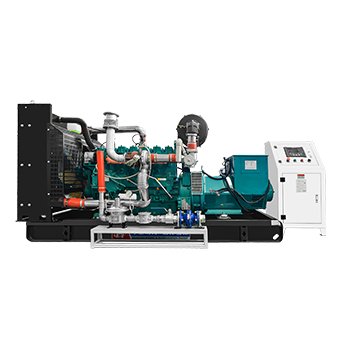
Dieser Biogasgenerator ist mit einem elektronischen Geschwindigkeitsregulierungssystem ausgestattet. Die ECU regelt präzise die Gaszufuhr und die Motordrehzahl. Der Drehzahlsensor überwacht kontinuierlich den Motorstatus, um sicherzustellen, dass der Biogasgenerator unter verschiedenen Arbeitsbedingungen in gutem Zustand arbeitet.
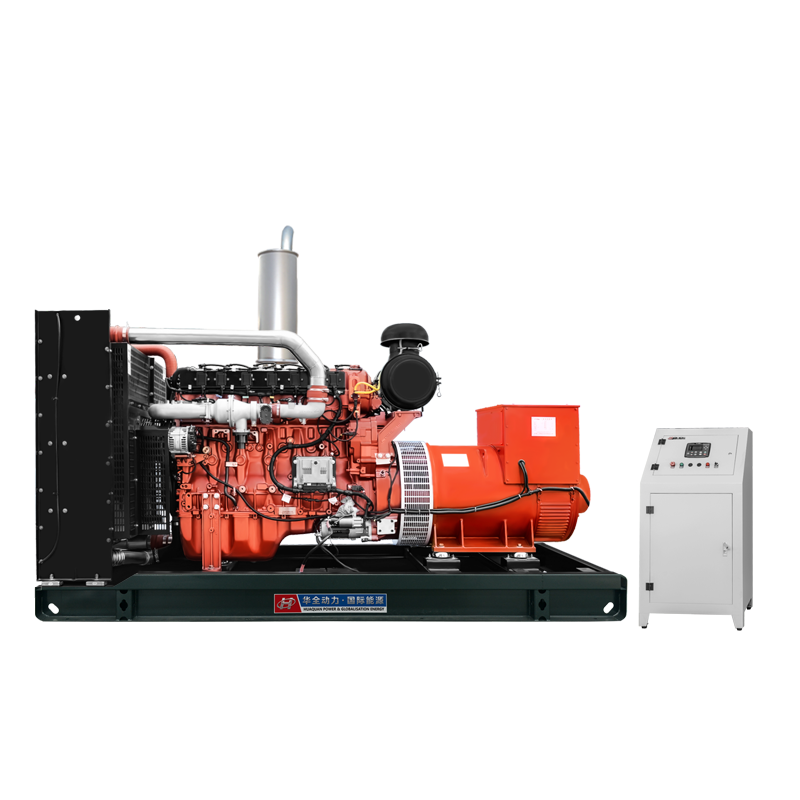
Der Müllverbrennungsgenerator ist ein Umweltschutzgerät, das Hochtemperaturverbrennung nutzt, um Hausmüll zu behandeln und durch Wärmeenergie Strom zu erzeugen. Ihr Kernprinzip besteht darin, die bei der Müllverbrennung entstehende thermische Energie in elektrische Energie umzuwandeln, und gleichzeitig Abfallreduzierung und Ressourcennutzung erreichen.
Funktionsmerkmale des Gasgenerators

Mehrstufiges explosionsgeschütztes Design, Sicherheitsupgrade.

Die magere Verbrennung verbraucht weniger Energie und spart Betriebskosten.

Realisieren Sie die mehrstufige Energienutzung und erzielen Sie einen hohen Gesamtwirkungsgrad.

Reduzierung des Stromverbrauchs während der Spitzenzeiten und Erhöhung des Stromverbrauchs außerhalb der Spitzenzeiten. Zusammen, Diese Maßnahmen tragen zur Erreichung des Netzgleichgewichts bei.

Geeignet für Gase wie Erdgas und Biogas, mit geringen Kraftstoffkosten

Vom Kaltstart bis zur Volllast, es dauert nur 30 Sekunden. Die ATS-Schaltreaktion ist geringer als 10 Sekunden.

Ausgestattet mit einer Cloud-Überwachungsplattform, Die Genauigkeit der Fehlervorhersage ist sehr hoch.

Reduzieren Sie den CO2-Ausstoß um 60% und erfüllen relevante Umweltschutzanforderungen.
Die Vorteile des HUAQUAN-Service
Ob vor dem Verkauf, während des Verkaufs, oder nach dem Verkauf, HUAQUAN engagiert sich für die Optimierung von Prozessen und die Kontrolle von Details, Sicherstellen, dass Kunden mit Vertrauen kaufen und problemlos verwenden können. Die Dienstleistungen von HUAQUAN sind professionell, gewidmet, mutig Verantwortung übernehmen, und von ausgezeichneter Qualität.
Vorsalzen: Die Vertriebsmitarbeiter beraten Sie gerne bei der Auswahl der passenden Produkte.
Während des Verkaufs, Vor-Ort-Services stehen für die Installation und die Anleitung zur Fehlerbehebung und Nutzung der Geräte zur Verfügung.
After-Sales: Das Servicenetz ist gut ausgebaut, mit prompter Antwort. Es sind vorbei 300 Benutzer-Servicestationen im ganzen Land. Der Gruppenbetrieb gewährleistet einen sorgenfreien After-Sales-Service.
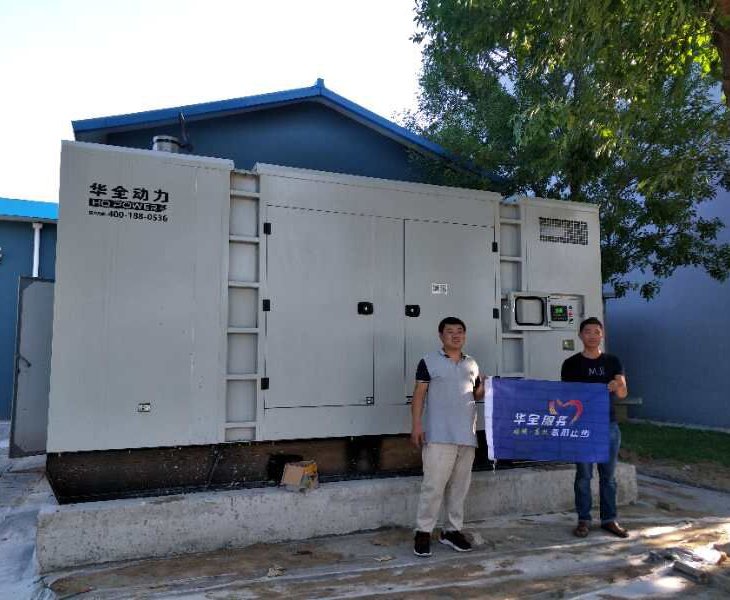
Vorteile der HUAQUAN-Produktion und -Herstellung
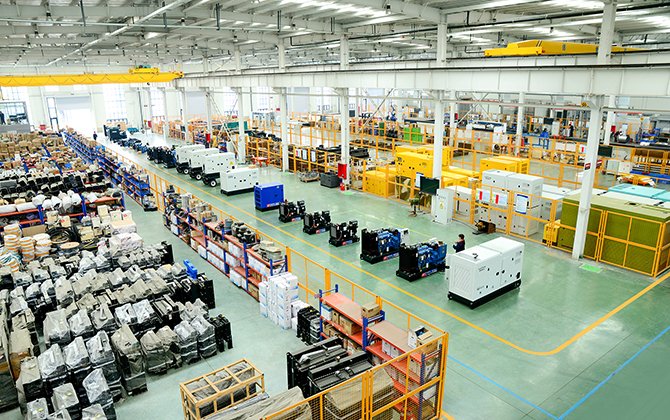
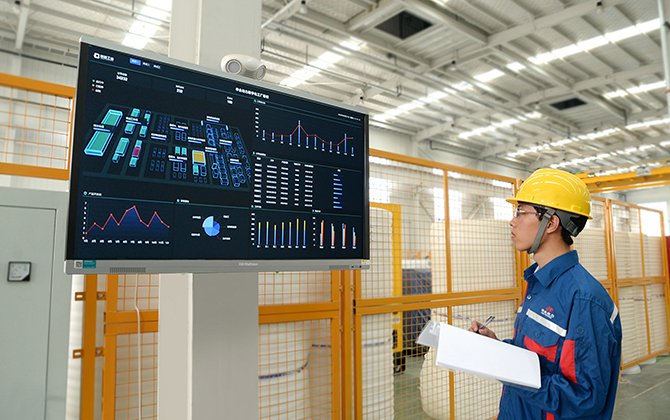
As a professional manufacturer of gas generators in China, HUAQUAN has an intelligent production base. The large-scale and standardized production is conducive to cost control, and the modular customization ensures the quality consistency (QC) and stability of product quality.
HUAQUAN has established long-term and stable cooperative relationships with suppliers of engines, alternators, and control systems, forming a complete industrial chain, ensuring stable supply and maintaining a price advantage.
HUAQUAN’s production line is equipped with professional testing equipment that can simulate real working conditions and conduct full-load tests to ensure strict quality control. Only after each gas generator has been verified to be reliable in performance can it be released from the factory.
Advantages of HUAQUAN Sales and Services
HUAQUAN has established extensive sales and service outlets both nationally and globally. When there is any abnormality with the gas generator, it can respond promptly and solve the problem in a timely manner, thereby minimizing the downtime losses for users.
HUAQUAN relies on our extensive spare parts warehouse and robust supply chain to ensure the precise and efficient supply of gas generator components, eliminating any concerns for our customers.
HUAQUAN not only sells products but also offers a one-stop solution. From site survey and design to installation and commissioning, as well as operation and maintenance, it covers the entire project life cycle.
The gas generator converts chemical energy into electrical energy by burning natural gas. The core process is as follows: Gas (such as methane) is mixed with compressed air in the combustion chamber or cylinder and ignited, generating high-temperature and high-pressure gas that drives the turbine blades to rotate (in a gas turbine) or the pistons to reciprocate (in an internal combustion engine). The mechanical energy is transmitted through the coupling to drive the generator rotor to cut through the magnetic field lines and generate electricity. Daher, the conversion of chemical energy → heat energy → mechanical energy → electrical energy is completed.
The key requirements for the fuel of a gas generator include: The fuel must be a dry and dehydrated combustion gas (such as natural gas, biogas, usw.). The methane content of natural gas should be ≥ 70% (biogas ≥ 40%), hydrogen sulfide should be ≤ 20mg/Nm³, moisture should be ≤ 40 g/Nm³, and the particle size of impurities should be < 5μm. The intake pressure needs to be stable at 80-200kPa (for biogas, 3-100kPa), and the pressure fluctuation rate should be ≤ 1kPa/min. If there are corrosive components such as sulfur and ammonia, they need to be pre-treated to safety limits to avoid damaging the internal parts of the generator.
Gas quality: Biogas needs to be treated for sulfur removal to prevent corrosion of the engine.
Fuel system inspection: Ensure stable gas pressure, no leakage in the pipeline, clean filters, and no blockage by impurities.
Engine oil and coolant management: Regularly check the oil level and quality, and replace the oil at the scheduled time; maintain sufficient coolant to prevent overheating.
Spark plug/ignition system inspection: Remove carbon deposits, adjust the gap, and ensure proper ignition (applicable to gas internal combustion engines).
Long-term storage: Empty the gas system, prevent moisture and rust.
Notiz: Maintenance details may vary for different models. Please refer to HUAQUAN’s user manual for implementation.
The purpose of a gas generator is to produce gas by burning fuel or a chemical reaction. The produced gas is both hot and under pressure; hence, it can be used to power machines or engines. The continuous aim of these generators is to develop gas that can power different systems. Examples of these uses include:
● Engines for operating machines & vehicles
● Turbines for producing electricity in power stations
● Provide the force to launch rockets
● Industrial systems for powering different processes
Now you know what a gas generator is, but do you know the internal process? How do the gas generators actually work? Hier, we will explain the process in the easiest way. For many advanced systems, even though a gas generator is used, the basic working principle is quite easy. A few steps involved in how gas generators work are listed below.
Step 1: Initiation of Fuel
The first step in the working of gas generators is the burning of fuel or chemical reaction. Natural gas, liquid fuel, or even a solid chemical material that serves as fuel is mixed inside the gas generator. This process is done to ensure fuel can safely be burnt inside the gas generator. Jedoch, in some gas generators, a chemical reaction is used instead of burning fuel.
This process generates a lot of heat; daher, to safely handle this, the gas generator is designed accordingly. The only goal of this process is to create the amount of heat so it will start producing gas.
Step 2: Gas Is Produced
After the burning of fuel or chemical reaction, the formation of gas starts inside the gas generator. With an increase in temperature, the gas starts to build more pressure inside the gas generator. This is a crucial step in the functioning of gas generators, as gas generation requires both heat and pressure.
The gas generator is designed to allow for easy control regarding how much gas can be produced or how fast it can accumulate. Zusätzlich, the materials required are of high quality in order make sure the generator handles temperatures and pressures safely.
Step 3: Gas Is Controlled and Directed
Another key step involved in how gas generators work is controlling the gas flow properly. You should not release the hot and high-pressured gas all at once. Instead of releasing all at once, the gas is passed through pipes or openings while maintaining control. This helps in avoiding any type of damage in between and ensures smooth operation.
Step 4: Gas Is Used to Do Work
This is the last step of the gas generator working process. This is where the gas is used for performing different types of tasks. Zum Beispiel, the gas is used to operate engines, move turbines, and move the industrial machinery parts. Jedoch, after this, the gas can either be reused or released depending on the system.
Choosing the right gas generator is important because choosing the wrong one could cost you more and lead to poor performance. Understand the below factors before choosing the right gas generator:
Power Requirements
The very first thing you need to understand is the power requirements. If you don’t need much energy or power, you can go with a small generator. Auf der anderen Seite, for big equipment, you will need bigger generators.
Application Type
Nächste, think about where and how you will be using the generator. There are gas generators manufactured for use in industries and others suited for backup power and portability.
Efficiency and Reliability
When selecting, make sure the generator you choose is also efficient. Choosing the efficient one makes sure they will use the fuel carefully while reducing the overall operating cost.
Abschluss
A gas generator is an important device for producing gas, which is then used to power multiple machines and engines. These systems help industries perform their operations smoothly by providing a reliable and efficient power source. Jedoch, choosing the right type of gas generator is important to efficiently fulfill your requirements.
Understanding how gas generators work is vital because they are used in many applications across multiple industries and fields. Whether it’s about generating electricity or providing support to advanced machines, they are used in different types of industries. One more key benefit of using gas generators is they are suitable for both small and large applications.
Types of Gas Generators
Not all gas generators are the same. There are different types of gas generators designed for different purposes. Knowing the key details about different types helps you choose the right generator that will fulfill your needs:
Chemical Gas Generators
This type of gas generator creates gas through a chemical reaction instead of fuel burning. When the chemicals react, the gas is released quickly while maintaining control. This is mostly used when we need fast and reliable gas production, such as in rockets and emergency systems.
Combustion-Based Gas Generators
This type of gas generator produces gas by burning fuel. This is one of the most common types of gas generators used by most of the manufacturing companies. Jedoch, they are mostly used in engines, turbines, and power plants.
Industrial vs Portable Gas Generators
Industrial gas generators are large and powerful. They are used in places such as factories, power plants, and heavy industries. Darüber hinaus, they are especially useful for long-term operations.
Portable gas generators are smaller and less powerful as compared to industrial gas generators. They are mostly used for temporary power needs and as backup systems.
The gas generator power output indicates the amount of electricity that the generator can produce to power equipment, machines or home appliances. It is generally measured in kilowatts (kW) or kilovolt amperes (kVA). Kilowatts are the actual usable power, whereas kVA indicates the total capacity of the generator system.
Gas generators take a fuel like natural gas or LPG, which is then converted to mechanical energy, which, in turn, is converted into electrical energy. The rated power output informs the users about the maximum load that the generator will be able to safely carry without a performance effect. Running the generator above its rated capacity can result in overheating, unstable voltage, and increased fuel consumption.
Power output also depends on operating conditions such as ambient temperature, altitude and pressure of gas supply. If the pressure of the gas is low or inconsistent, the generator may not be able to reach its full rated output. That is why manufacturers typically provide suggested installation instructions.
Understanding power output is important when choosing the gas generator. Always figure out the total amount of load that you wish to operate and then add additional capacity for safety. This helps ensure smooth operation, longer engine life and reliable power in times of both normal operation and emergencies.
Gas generators are considered fuel efficient because they use cleaner fuels such as natural gas or LPG that provide constant energy with lesser waste. These fuels burn more evenly than diesel, which helps the engine to run smoothly and efficiently over long periods of time.
Fuel efficiency refers to the generation of greater amounts of power with reduced amounts of fuel. Gas generators are often connected directly to a gas pipeline, which gives a continuous supply of fuel. This eliminates fuel storage problems and eliminates the need for frequent refuelling. Because of this, gas generators are usually used for long running applications.
Another reason for improved fuel efficiency is stable combustion. Gas mixes excellently with air to make it burn completely within the engine. This leads to less fuel use and to reduced emissions. Over time, this means reduced operating costs, particularly for businesses or facilities that need constant power.
Proper maintenance is an important factor in fuel efficiency, zu. Cleaning filters, adjusting gas pressure, and servicing are all helpful in keeping the generator running at its best. Well sized and maintained, a gas generator can offer reliable power with consistent fuel consumption and lower environmental impact.
Gas generators need routine maintenance to be safe and reliable. Although they are generally easier to maintain than diesel generators, it is still very important to do routine checks. Basic maintenance, which includes checking spark plugs, air filters, oil levels and cooling systems
Oil changes should be done as specified by the manufacturer’s schedule. Even though gas is a cleaner-burning fuel, engine oil collects dirt and loses its effectiveness over time. Air filters also need to be cleaned or replaced to make sure that the air is flowing properly to maintain efficient combustion.
Gas supply lines and pressure regulators need to be regularly inspected to prevent leaks or pressure drops. Any change in gas flow can impact the performance of the generator. Cooling systems also need to be inspected to ensure they do not overheat, particularly if running hours are lengthy.
Routine test runs help to spot any small issues before they turn into serious problems. Maintenance maintains the generator’s readiness to perform in an emergency and the purpose of extending the engine’s life. Following a proper service schedule reduces the risks of breakdown and ensures that the generator is providing a stable power supply if it is required.
Gas generators are generally quieter than diesel generators due to more even combustion and lower engine vibration. Natural gas and LPG burn more evenly, which has the benefit of reducing the mechanical noise during operation. This makes gas generators appropriate for residential areas & noise sensitive environment.
The level of noise of a gas generator is based on the size, enclosure and installation location. Many current gas generators are available with soundproof enclosures that significantly reduce the sound of the generator in operation. When installed properly, the sound is often as good as the normal background noise.
Lower noises make nearby residents and workers more comfortable. This is especially important for hospitals, offices and housing communities where constant loud noise is not acceptable. Gas generators are also less noisy than combustion generators, which adds to overall sound reduction.
Proper placement, vibration pads and regular maintenance are further used to control noise. If quiet operation is a priority, selecting a gas generator that has acoustic insulation and is properly installed can make a noticeable difference.
Ja, gas generators can be in parallel with each other to meet larger power needs. Parallel operation implies two or more generators are operated together to share the electrical load. This setup is frequently used in large buildings, and in factories and data centres.
Parallel systems enhance reliability because if one generator fails, others will continue to supply power. Load sharing also helps generators operate efficiently by balancing the power demand across generators. This decreases the stress on individual generators and enhances the overall system performance.
In order to run in parallel, generators must have identical voltage, Frequenz, and phase. Synchronization panels and control systems are used to control this process in a safe way. Proper system design is vital in order to prevent power fluctuations or damage to equipment.
Parallel operation is also flexible. Generators can be added and removed depending on power requirements. This makes gas generators a practical solution for growing facilities that require scalable and reliable power systems.

