 Are you worried about power cuts and rising energy instability? If so, a silent diesel generator could be your best option, but only if you choose the right one. Choosing the wrong generator can cost you a lot, whether it’s wasted money or a system that fails when you need it the most.
Many homeowners misjudge their real energy needs, ending up with noisy, inefficient devices that waste fuel and space. If that sounds familiar, it’s important to understand your power requirements and the generator’s specifications to avoid these pitfalls.
And to make this easier for you, we have come up with a detailed guide to help you match your generator size to your Tuis’s actual needs. From calculating how much power your appliances need to planning for peak usage, you will learn how to choose a silent diesel generator that keeps your home running smoothly without overspending.
So, read on!
Understanding Silent Diesel Generator
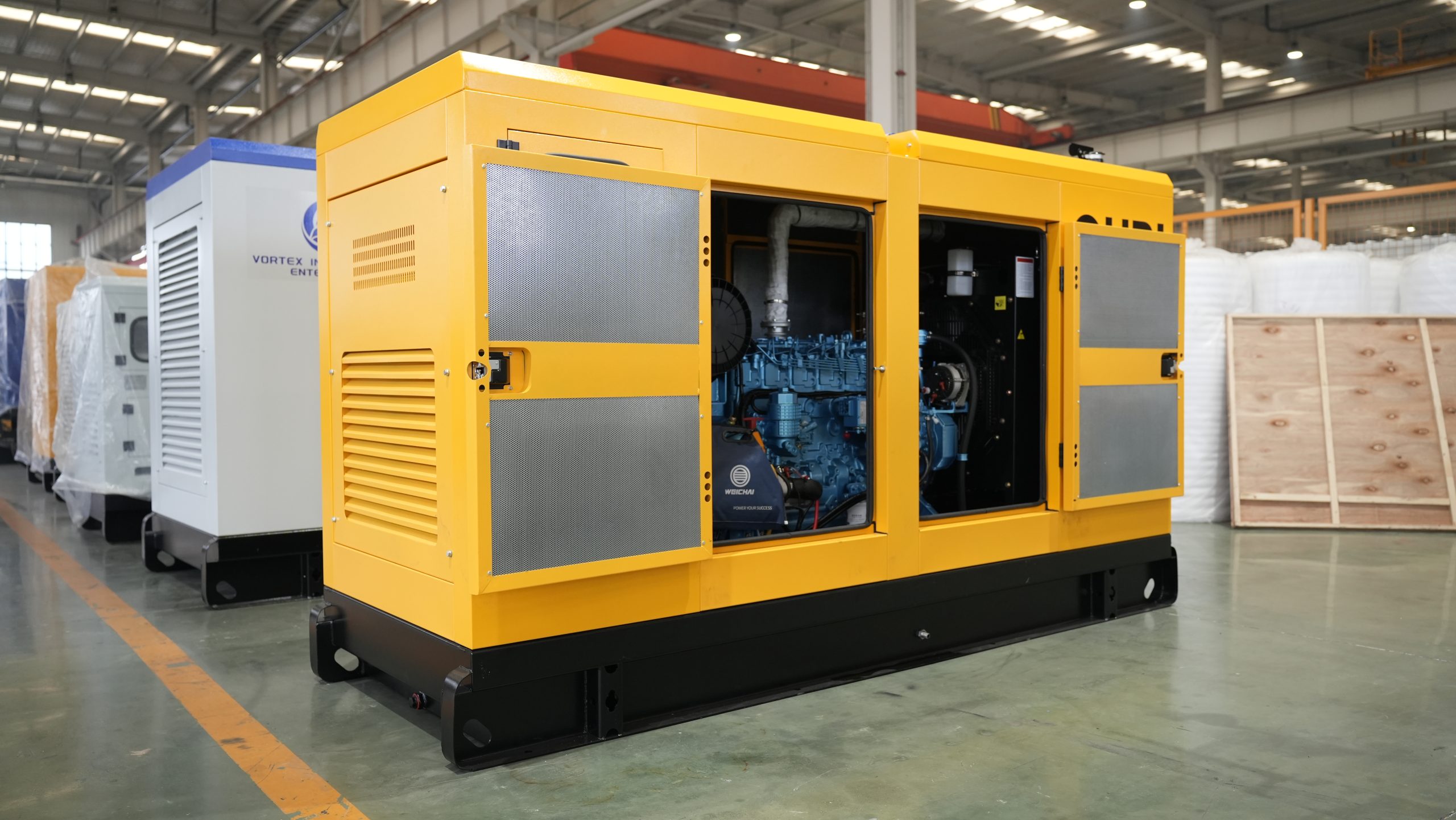
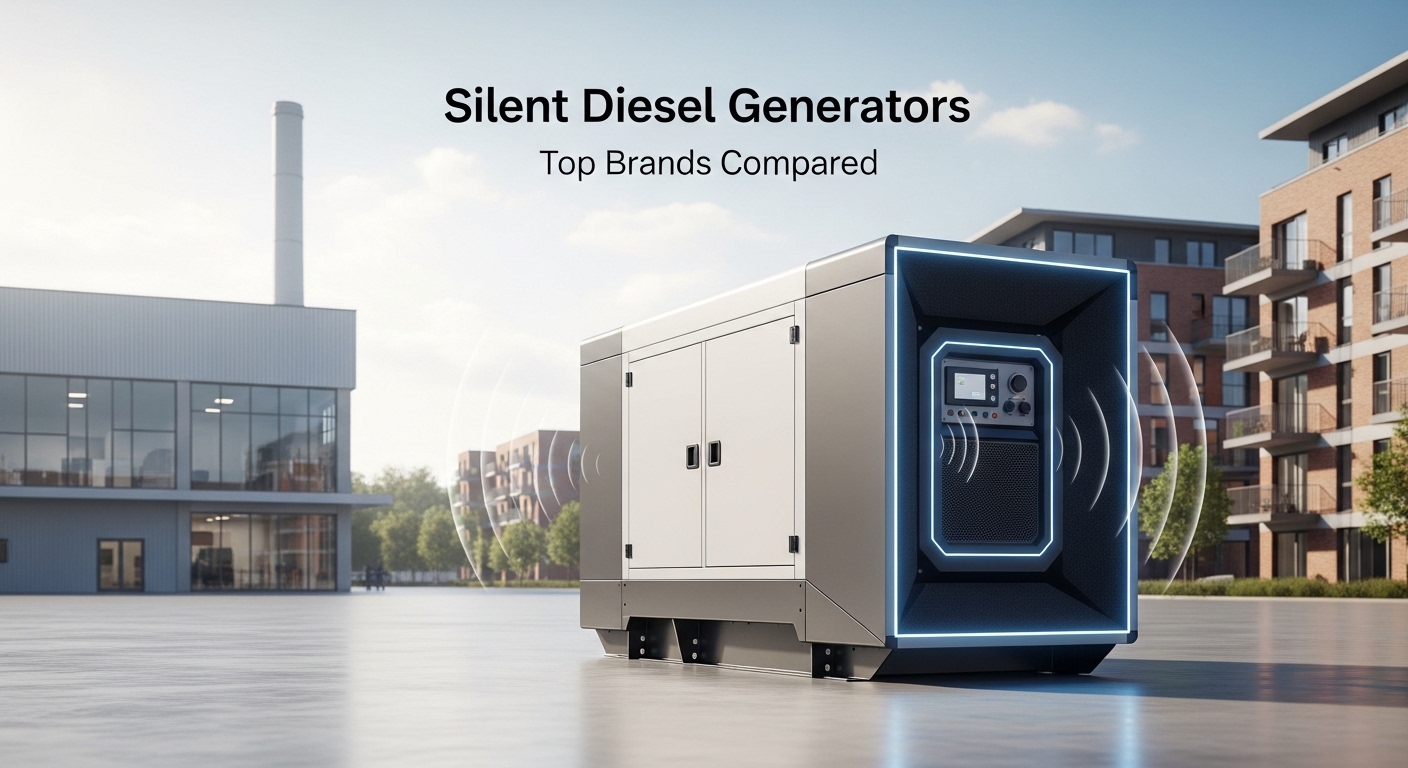
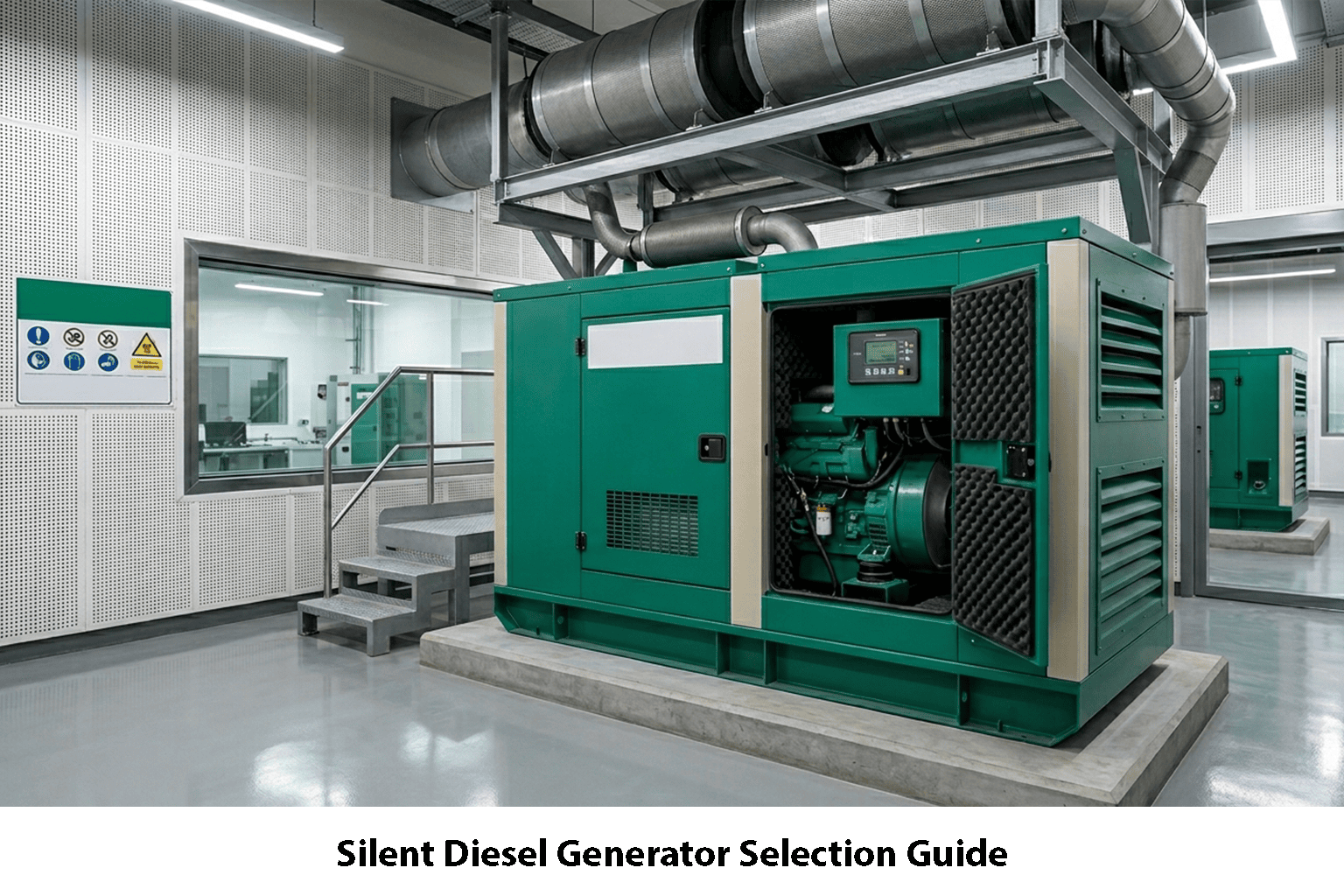
A Stille kragopwekker is a diesel-powered unit that delivers consistent backup power. Homeowners prefer it because it provides energy without affecting their daily lives.
The key features include:
- Soundproof enclosures reduce operational noise.
- Typical noise levels are 50-70dB, comparable to a normal conversation.
- Anti-vibration mounts reduce shaking and structural disturbance.
With these features, a silent generator ensures your household stays powered efficiently and quietly, maintaining comfort throughout use.
Silent Diesel Generator Sizes For Home: 5kW-50kW
Now let’s have a look at specific sizes of a silent generator.
5KW Generator: Small Homes & Essentials
If you only need to power essential appliances during a blackout, a 5 kW diesel generator is a good choice. It’s ideal for small homes or cabins where heavy systems like central air conditioners or large pumps are not needed. This size ensures you will have power without wasting money on an oversized generator for your needs.
10-15KW Generator: Medium Homes
For medium homes and residential requirements, a 10-15KW generator is a good size. This will give you a moderate backup power for your household. You will have power for multiple rooms and HVAC systems. This is a good fit for homes that want a little more than just basic requirements covered.
20-30KW Generator: Large Homes
If you have a big home and high requirements for backup power, a 20-30KW generator is an ideal size. It can run central AC units, water pumps, and kitchen appliances, making it a good fit for villas and multi-storey homes.
40-50KW Generator: Luxury Homes
This generator size is suitable for luxury homes or properties with high load requirements. It can handle EV chargers, swimming pools, and full-house backup requirements.
Why Generator Size Matters
Now that you know the different generator sizes for your home, a question will probably pop into your mind: “Why should I know the generator size?”
Isn’t that right? Here’s why it matters:
- If you under-size your low-noise diesel generator, you risk overloads and unexpected shutdowns when too many appliances run at the same time.
- If you over-size your diesel generator, it isn’t harmful, but it leads to wasted fuel and can cause engine problems like wet stacking.
The GOLDEN RULE is simple: always size your generator based on your actual household load, with a 20% buffer for unforeseen demand.
But how to calculate household power needs?
You will learn it in the next section! Continue reading!
How to Calculate Your Home Power Requirements
To choose the right silent generator for home use, you first determine how much electricity your home actually uses. Begin by making a list of all appliances and systems you want to run during an outage. It is the basis of your calculation.
First, add up the running watts of each device. Then factor in surge wattage for motor-driven appliances, such as AC, refrigerators, which may need 3 aan 6 times their running watts for a short time when they first turn on.
Once you have got the running total and the highest surge demand, add a 20% margin to ensure your diesel generator can handle unforeseen loads without strain.
How to Choose a Silent Diesel Generator
Once you know the right generator size, consider the following factors before selecting a silent diesel generator.
Noise Level
Assess noise levels because this aspect determines which silent generator works best for your residence. However, homeowners typically overlook it, leading to discomfort. Therefore, the generator decibel rating is a crucial element that needs evaluation.
That’s why you should choose Kragopwekkers with lower decibel levels, as they indicate better sound control and make them suitable for both events and residential spaces. Ideally, select generators that operate at around 60 decibels to ensure a more peaceful experience.
Build Quality & Engine
Select generators that contain reliable engines from established brands because this choice ensures long-lasting equipment and appropriate maintenance backup. Soundproof enclosures with strong construction protect their internal components from damage.
Water-cooled engines maintain their thermal performance for extended periods because of their superior design compared to air-cooled models, which handle light-duty work.
Fuel Efficiency & Runtime
The selection process for a quiet diesel generator requires assessing both fuel efficiency and runtime capabilities. Ideally, generators should offer extended operational capacity, allowing them to run beyond a single tank of fuel. For most homes, a generator that operates eight to twelve hours at full tank capacity reduces the need for frequent refueling.
Additionally, estimating your energy needs is essential, as purchasing a more efficient generator becomes particularly beneficial if you plan to use high levels of power.
Control System
The control system function requires assessment for every quiet diesel generator. Its panel design should provide users with both operational control and system protection through its visible system status information.
The system uses two main features, which enable operators to manage power outages through automated operations and system alerts about faults.
Pricing & Warranty
When selecting a low-noise diesel generator, consider more than just the initial price. High-quality models may cost more upfront, but they offer better long-term value through longer lifespans and lower maintenance.
Warranty coverage is also important-standard warranties usually last 1–2 years, while extended options provide extra protection and demonstrate product durability. The best value comes from balancing your budget with system reliability and warranty coverage.
Conclusion
This concludes our silent diesel generator selection guide. You now understand which generator size matches your home needs, and how to select the right generator. With this knowledge, you can confidently explore options that meet your specific power needs.
HuaQuan Power offers a range of silent generators to meet diverse home power needs. You can request detailed specifications or a customized solution, and our team will help match you with the ideal generator. Contact us today to find the perfect generator for your home.
Frequently Asked Questions
What is the Difference Between a Silent and a Regular Diesel Generator?
A silent diesel generator uses soundproof boxes and vibration control systems to reduce operational noise. This system produces sound levels that remain below the levels generated by standard generators.
Can a Diesel Generator 5kw Power a House?
A diesel generator 5kw can power important appliances in a small home, but may not handle the entire house simultaneously.