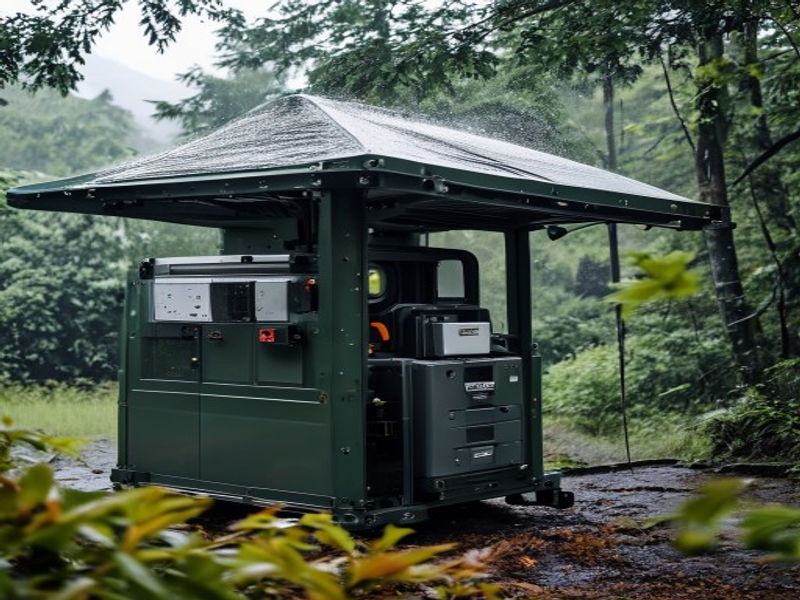
Proper Diesel Generator water protection requires a combination of weatherproof enclosures, correct IP ratings, sealed electrical connections, and regular moisture inspections to prevent corrosion, short circuits, and engine failure. Specifically, water intrusion is the second most common cause of generator damage after battery failure. Therefore, investing in diesel generator water protection saves thousands in repair costs and prevents power loss during storms when you need backup power most.
Why Is Water Damage So Dangerous for Diesel Generators?
How Water Attacks Generator Systems
Water damages diesel generators through multiple pathways. First, water in fuel causes injector failure and engine shutdown. Next, moisture on electrical connections causes corrosion and short circuits. Furthermore, water in the alternator windings breaks down insulation and causes ground faults. Also, rust on the engine block and frame weakens structural integrity. In the worst case, flooding can submerge and destroy the entire unit. For more on electrical insulation failure, see Wikipedia insulation failure.
| Water Entry Point | Damage Type | Time to Failure | Repair Cost |
|---|---|---|---|
| Fuel tank vent | Water contamination, injector failure | Hours to weeks | 500-3000 USD |
| Alternator air intake | Winding insulation breakdown | Days to months | 2000-10000 USD |
| Control panel gaps | Short circuit, controller failure | Instant to days | 500-5000 USD |
| Exhaust outlet | Rust, back-pressure increase | Months | 300-1500 USD |
| Base frame | Structural rust, mount failure | Years | 1000-5000 USD |
What IP Rating Does a Diesel Generator Need?
The Ingress Protection (IP) rating is the most important specification for diesel generator water protection. Specifically, the IP rating consists of two digits — the first for solid protection and the second for liquid protection. For outdoor generators, IP23 is the minimum acceptable rating, while IP44 or higher is recommended for areas with heavy rain or flooding risk.
| IP Rating | Solid Protection | Water Protection | Suitable Environment |
|---|---|---|---|
| IP22 | Finger-safe | Dripping water (15° tilt) | Indoor only |
| IP23 | Finger-safe | Spraying water (60° angle) | Covered outdoor |
| IP44 | 1mm objects | Splashing water from all directions | Outdoor with canopy |
| IP55 | Dust-protected | Water jets from all directions | Severe weather outdoor |
| IP56 | Dust-protected | Heavy seas / powerful jets | Coastal, flood-prone |
| IP65 | Dust-tight | Water jets | Marine, tropical storms |
How Do Generator Enclosures Provide Water Protection?
Types of Weatherproof Enclosures
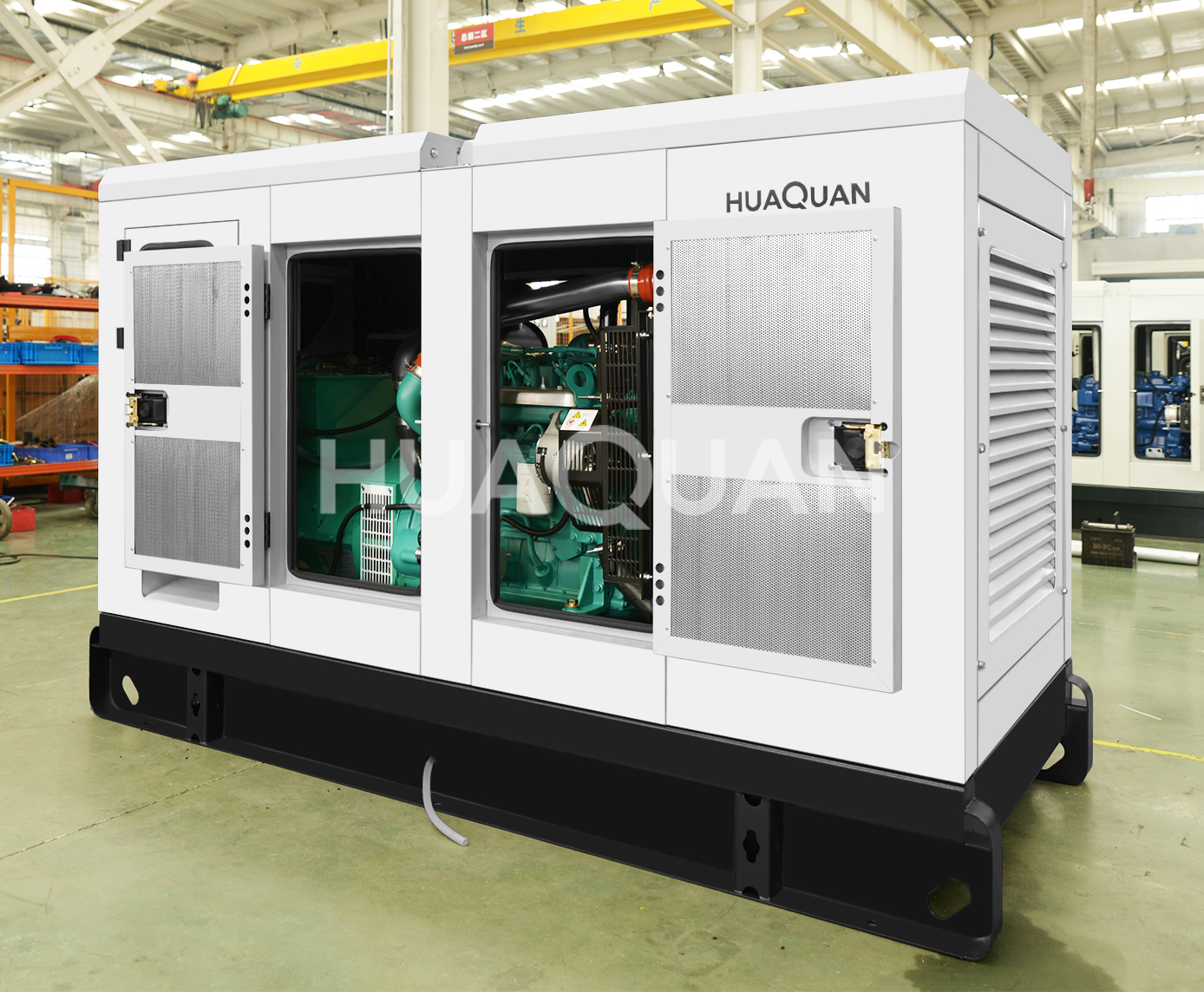
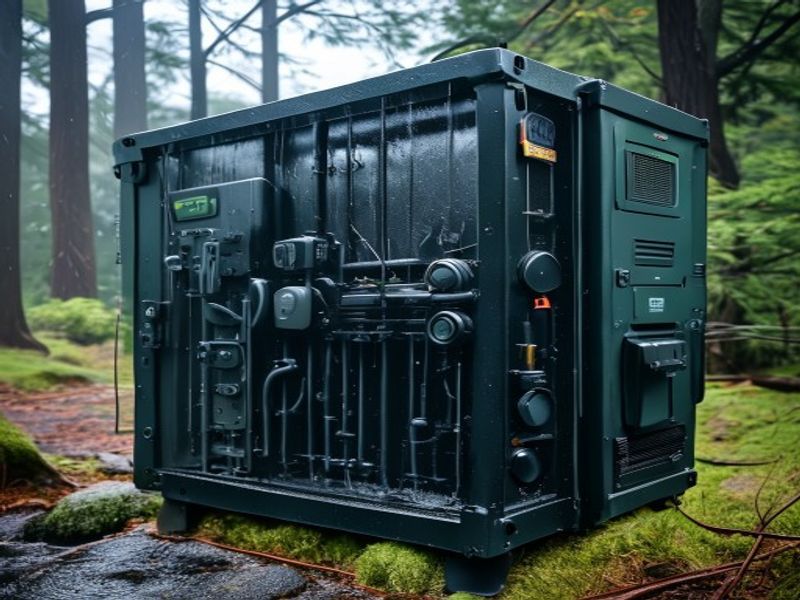
The enclosure is your first line of defense for diesel generator water protection. Specifically, Huaquan offers several enclosure types designed for different weather conditions. First, the standard weatherproof canopy provides IP23 protection with rain-deflecting louvers. Next, the soundproof canopy adds acoustic insulation while maintaining IP44 water protection. Finally, the containerized enclosure offers IP55+ protection for extreme environments.
| Enclosure Type | IP Rating | Water Protection Features | Best For |
|---|---|---|---|
| Open frame (no enclosure) | IP11 or none | No protection | Indoor installation only |
| Standard weatherproof canopy | IP23 | Rain hoods, sloped roof, drain holes | Mild climate outdoor |
| Soundproof canopy | IP44 | Sealed joints, water channels, insulated panels | Urban outdoor, moderate rain |
| Containerized unit | IP55-56 | Full seal, door gaskets, raised floor | Heavy rain, coastal, desert |
How to Prevent Water from Entering the Fuel System?
Fuel contamination is a critical diesel generator water protection concern. Specifically, water enters the fuel system through tank vents, loose fill caps, and condensation from temperature changes. Moreover, water in fuel promotes microbial growth (diesel bug) that clogs filters and damages injectors. Therefore, fuel system water protection requires multiple defenses. For more on diesel fuel contamination, see Wikipedia diesel fuel contamination.
| Fuel Protection Measure | How It Works | Installation Difficulty |
|---|---|---|
| Water-separating fuel filter | Traps water before injectors | Easy — standard on most generators |
| Tank vent with desiccant breather | Absorbs moisture from incoming air | Moderate — add to tank vent |
| Sealed fuel fill cap with gasket | Prevents rain entry at fill point | Easy — replace standard cap |
| Regular fuel sampling | Detects water before damage occurs | Easy — use water-finding paste |
| Tank fuel polishing system | Filters and dries stored fuel | Moderate — for large tanks |
| Keep tank full | Reduces condensation surface area | Free — operational practice |
How to Protect Generator Electrical Systems from Moisture?
Sealing and Insulating Connections
Electrical diesel generator water protection focuses on preventing moisture from reaching live components. First, all conduit entries should use watertight fittings. Next, terminal blocks need sealed enclosures with proper gaskets. Also, apply dielectric grease to all plug-in connections to prevent corrosion. Furthermore, install anti-condensation heaters in control panels that run whenever the generator is not operating. Visit Huaquan generator products for models with factory-installed weather protection.
| Electrical Protection | Method | Cost | Effectiveness |
|---|---|---|---|
| Anti-condensation heater | Keeps panel above dew point | 50-200 USD | Excellent |
| Dielectric grease | Seals connector pins from moisture | 5-20 USD | Good |
| Heat-shrink tubing | Seals wire splices and terminals | 10-50 USD | Excellent |
| NEMA 4X enclosure | Watertight, corrosion-resistant box | 100-500 USD | Excellent |
| Silicone cable glands | Seals where cables enter panels | 5-30 USD each | Good to excellent |
What Should You Do After a Generator Gets Wet?
Even with good diesel generator water protection, accidents happen. If your generator is exposed to water, take immediate action. First, do NOT start the generator if it has been submerged or if water is visible inside. Next, disconnect the battery to prevent electrical damage. Then, dry all visible water with absorbent cloths. After that, use a megohmmeter to test winding insulation resistance before attempting to start. Finally, if readings are below 1 megohm, the alternator needs professional drying or rewinding.
| Step | Action | Why It Matters |
|---|---|---|
| 1. Stop and disconnect | Do not start; disconnect battery | Prevents short circuits and further damage |
| 2. Remove standing water | Dry with cloths and wet vacuum | Stops ongoing corrosion |
| 3. Check fuel for water | Drain fuel filter bowl, inspect | Water in fuel will destroy injectors |
| 4. Test insulation | Megger test windings (target >1MΩ) | Confirms alternator is safe to energize |
| 5. Dry if needed | Use heaters or low-voltage drying | Restores insulation resistance |
| 6. Inspect all connections | Check for corrosion, tighten | Prevents future failures from hidden damage |
How Does Humidity Affect Generator Long-Term?
Beyond direct water contact, humidity is a slow but serious threat to diesel generator water protection. Specifically, high humidity causes condensation inside the alternator and control panel whenever the generator cools down after running. Over time, this moisture corrodes electrical connections, degrades winding insulation, and rusts metal components. Therefore, generators in tropical or coastal regions need extra protection measures.
| Humidity Level | Risk Level | Recommended Protection |
|---|---|---|
| Below 40% RH | Low | Standard maintenance |
| 40-60% RH | Moderate | Panel heaters, regular inspection |
| 60-80% RH | High | Anti-condensation heaters, sealed enclosures, silica gel |
| Above 80% RH (tropical) | Very high | All above + dehumidifier, IP55+, frequent megger testing |
Can a diesel generator run in the rain?
A diesel generator with proper diesel generator water protection (IP23+ enclosure) can run in light to moderate rain. However, open-frame generators must never run in rain because water will short electrical components and damage the alternator. Furthermore, even enclosed generators should not operate in flooding conditions. Therefore, always verify your generator’s IP rating before outdoor operation in wet weather.
How do I know if water got into my generator fuel?
Check for diesel generator water protection fuel contamination by draining a sample from the fuel filter bowl into a clear container. Specifically, water appears as a separate layer at the bottom because water is heavier than diesel. Also, use water-finding paste on a dipstick — it changes color on contact with water. Furthermore, cloudy or hazy fuel indicates emulsified water that needs immediate treatment.
What is the best enclosure for flood-prone areas?
For diesel generator water protection in flood-prone areas, a containerized enclosure with IP55+ rating mounted on an elevated platform is the best choice. Specifically, raise the generator at least 1 meter above the expected flood level. Moreover, install float-switch alarms that shut down the generator if water rises. In addition, use submersible cable connections and sealed conduit entries for all wiring.
Do I need to winterize my generator against moisture?
Yes, winterizing is an important part of diesel generator water protection. Specifically, condensation forms inside tanks and enclosures when temperatures drop at night. Therefore, keep the fuel tank full to reduce condensation surface, install a tank breather with desiccant, and run anti-condensation heaters in control panels. Moreover, check fuel filters weekly for water during cold months.
How often should I check my generator for water damage?
As part of diesel generator water protection maintenance, inspect for water damage weekly in wet climates and monthly in dry areas. Specifically, check the fuel filter bowl for water, inspect enclosure seals for gaps, look for rust on the frame, and test winding insulation quarterly. Furthermore, always inspect immediately after heavy rain, storms, or flooding events.
Conclusion: Keep Your Generator Dry and Protected
In conclusion, effective diesel generator water protection requires a multi-layer approach. First, select the right IP-rated enclosure for your environment. Next, protect the fuel system with water-separating filters and sealed tank vents. Then, safeguard electrical systems with anti-condensation heaters and sealed connections. Finally, inspect regularly and act quickly if water intrusion occurs. Contact Huaquan Power for generators with factory-built weather protection rated for any climate.